Customer matched zone "Locations not covered by your other zones"
“Tomato-Rio Grande (Dizengoff) | 25g” has been added to your cart. View cart
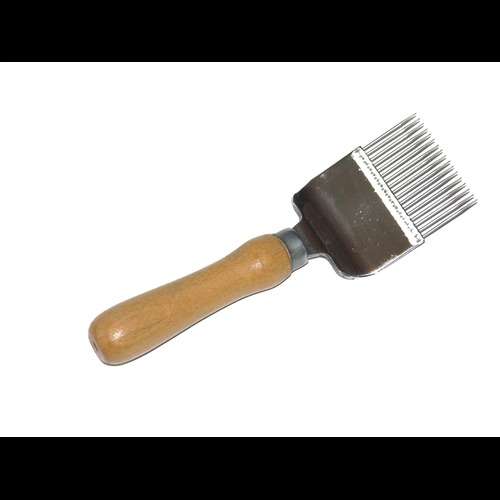
Uncapping Fork
SKU:
HTSHTSUF0000024
₦15,900.00
Uncapping Fork is an essential tool for beekeepers during the honey extraction process, providing a simple and efficient method for removing wax cappings from honeycomb frames while preserving the integrity of the honeycomb for reuse by the bees.
Why customers choose us
- Satisfaction Guaranteed
- Fast delivery
- Secure Payments
- 24/7 Customer assistance
Other people want this. 13 people have this in their carts right now.
An Uncapping Fork is a specialized tool used in beekeeping for removing wax cappings from honeycomb frames during the honey extraction process.
Design:
- It typically consists of a handle attached to a fork-like head.
- The head of the fork is fitted with tines or prongs that are used to puncture and lift the wax cappings from the honeycomb cells.
Handle Design:
- The handle of an uncapping fork is designed for comfort and ease of use during prolonged uncapping sessions.
- It may be ergonomically shaped and textured to provide a secure grip and prevent slippage, even when hands are sticky from honey.
Uses of Uncapping Fork:
- The primary use of an uncapping fork is to remove the wax cappings from honeycomb frames.
- It can be used to harvest beeswax.
- It allows beekeepers to selectively uncap specific cells or areas of the honeycomb.
- Beekeepers use uncapping forks for radial uncapping, which uncaps the entire surface of honeycomb frames in a radial pattern.
- Uncapping forks can also be used for targeted uncapping, where only certain cells or sections of the honeycomb are uncapped.
- It helps preserve the integrity of the honeycomb frames by allowing for precise and controlled removal of the wax cappings.
- It facilitate the extraction of honey from the honeycomb frames.
It is an essential tool for beekeepers during the honey extraction process, enabling them to efficiently and effectively remove wax cappings from honeycomb frames while preserving the integrity of the honeycomb for reuse by the bees.
Additional information
| Weight | 10 kg |
|---|
Be the first to review “Uncapping Fork” Cancel reply
Related products
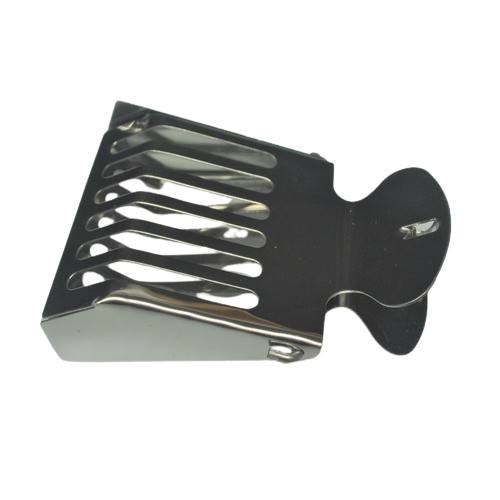
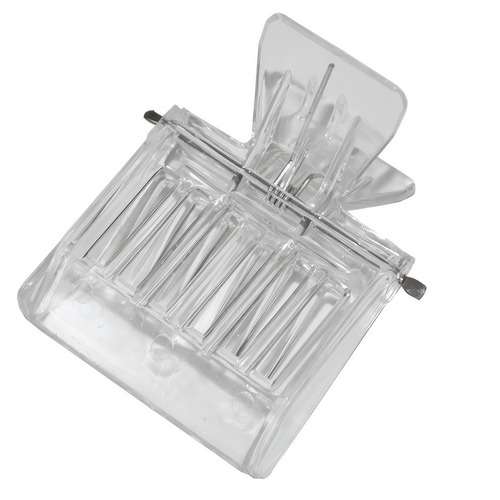
Queen catchers are small devices that consist of a plastic frame with a mesh or grid that allows worker bees to pass through while trapping the queen. Some queen catchers have a sliding door mechanism or plug that can be used to secure the queen inside the catcher once she's been captured.
Adequate ventilation is essential when using a queen catcher to ensure the queen remains healthy and comfortable while confined. Some plastic queen catchers are designed with ventilation holes or mesh to allow airflow and prevent overheating.
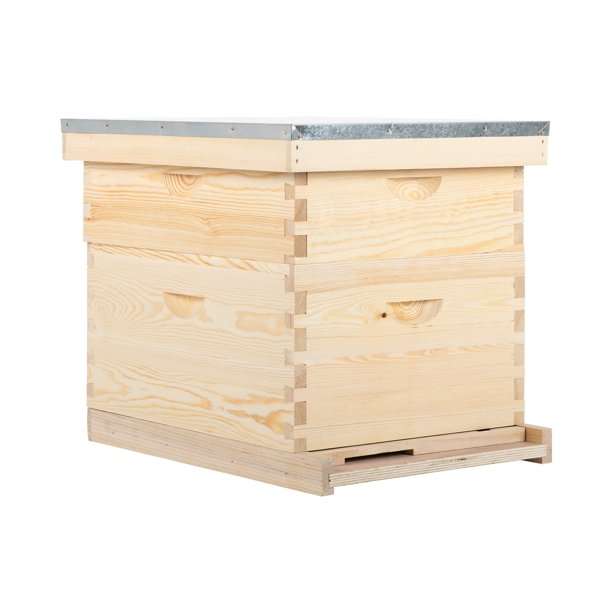
Local Langstroth Bee Hive is any vertically modular beehive that has the key features of vertically hung frames, a bottom board with entrance for the bees, boxes containing frames for brood and honey (the lowest box for the queen to lay eggs, and boxes above where honey may be stored) and an inner cover and top cap to provide weather protection
The primary purpose of a single horsetail bee brush is to gently remove bees from hive components during inspections or maintenance tasks. This helps beekeepers work more efficiently and reduces the risk of accidentally crushing or injuring bees.
A single horsetail bee brush typically consists of a handle made of wood, plastic, or metal, with soft, fine bristles made from horsehair or synthetic materials. The bristles are arranged in a single row along the head of the brush.
A single horsetail bee brush is a soft-bristled brush that can be used to gently, and harmlessly, remove bees from a surface. When used properly, a bee brush will not injure bees.
Langstroth Bee Hive | 10 Frames is any vertically modular beehive that has the key features of vertically hung frames, a bottom board with entrance for the bees, boxes containing frames for brood and honey (the lowest box for the queen to lay eggs, and boxes above where honey may be stored) and an inner cover and top cap to provide weather protection
The Professional Bee Suit is worn over clothing to protect wearers against various stinging insects, such as bees, wasps, and more. The Professional Bee Suit comes with gloves and a hard straw pith helmet.
When to Use
The Suit can be worn when harvesting honey, removing hives from building structures, tending to honey bee hive boxes, during pest control projects, and anytime when stinging insects may be in the area.
The Suit is ideal for farmers, professional beekeepers, pest control technicians, and DIY homeowners.
With the Queen Bee Queen Catcher, you can effortlessly and safely capture queen bees without causing harm or stress. Its innovative design features a specially designed cage that allows for easy identification and isolation of the queen bee, ensuring minimal disruption to the hive. Crafted from durable and non-toxic materials, this catcher prioritizes the well-being of your bees.
Recently Viewed Products
OUT OF STOCK
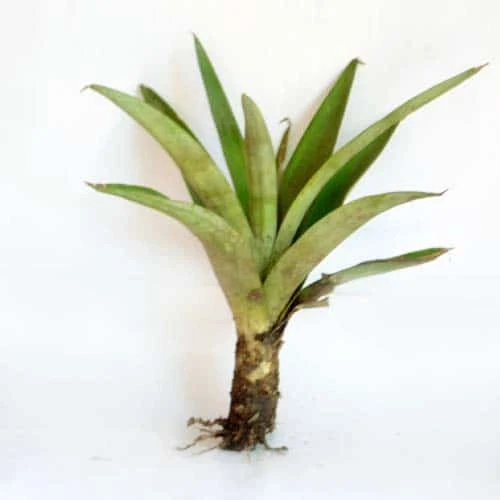
Hybrid Pineapple Suckers with rapid growth, early fruiting, and high yield potential. and We supply in large quantities depending on our customer's request.
Pineapple suckers are vegetative shoots that emerge from the base of the pineapple plant (Ananas comosus) or from leaf axils along the stem. They serve as a natural propagation method, allowing growers to clone the parent plant. Suckers are typically removed and replanted to establish new plants, ensuring genetic consistency and efficient cultivation.
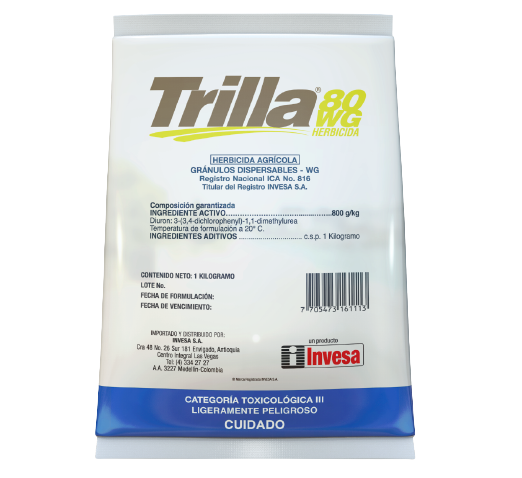
Trilla Herbicide with Diuron is typically applied as a granular or liquid formulation to the soil surface and incorporated into the soil through irrigation or mechanical means.
application rates, timing, and methods may vary depending on the target weeds, crop, soil type, and environmental conditions.
OUT OF STOCK
Helpful hints
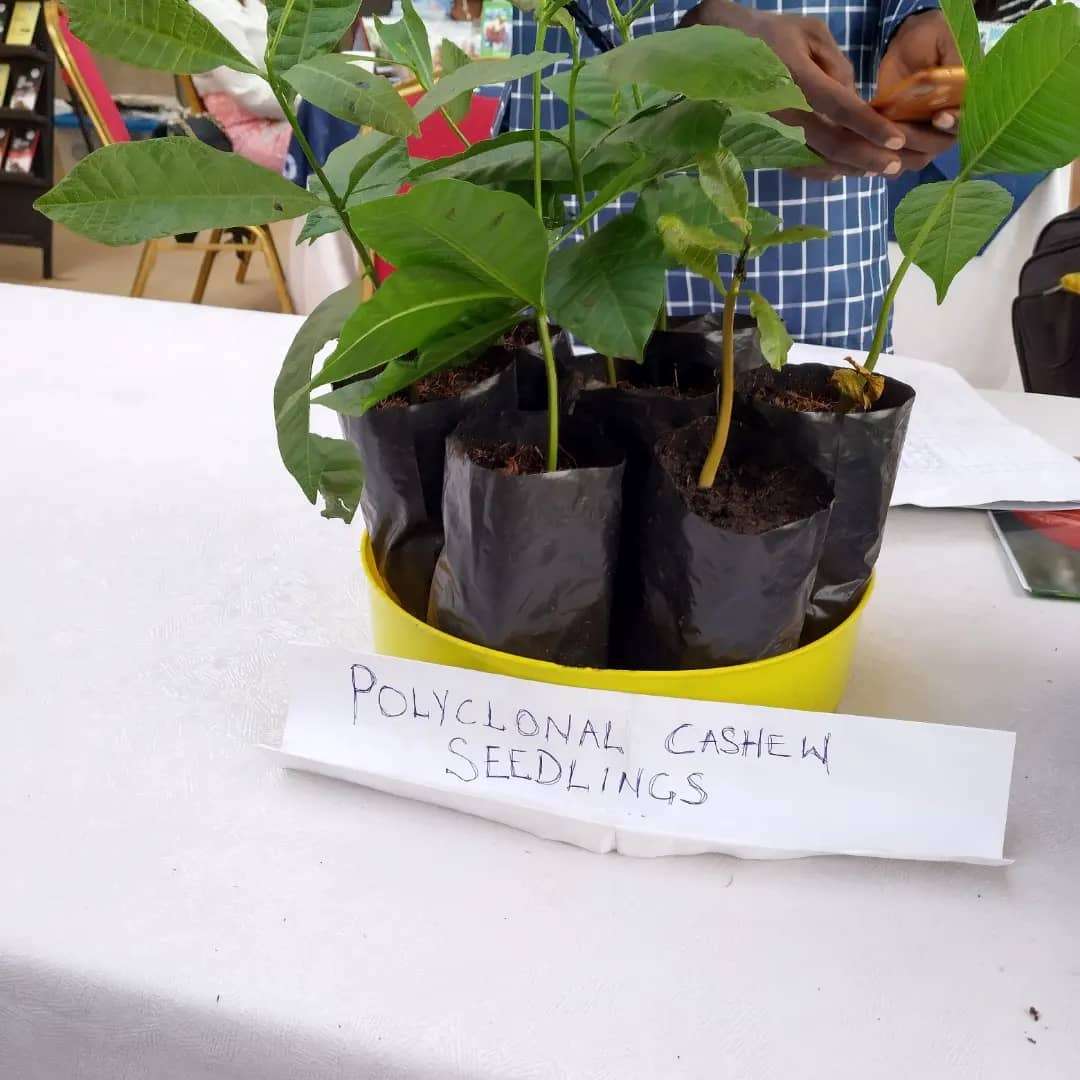
- Most of the time, the seed nuts sprout within 14 to 15 days after being planted. You can cover the seedbed with paddy straw until the seeds sprout, and you can give it some shade in the summer.
- Cashews need 750 g of nitrogen, 325 g of phosphorus, and 750 g of potassium per plant. After the first year is over, use only 1/5th of the dose, and only 2/5th of the dose during the second year.
- In the early stages of a cashew plantation's growth, pineapple is the intercrop that makes the most money.
- For poor soils, 7.5 m x 7.5 m is the recommended spacing, while 10 m x 10 m is the required spacing for rich, deep, sandy coastal soils. After the flowers are fertilised, the fruits will be ready to pick in about two months.
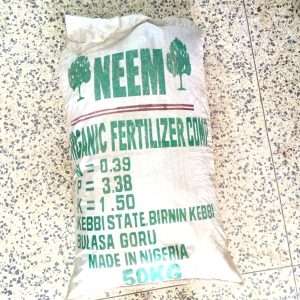
Best suited for garden and organic farming. For agriculture crops (Paddy, cotton, Ground Nut, Castor, Tobacco, etc.).
40kg per acre with chemical fertilizer topdressing application.
40-80 kg per acre (at the time of land preparation)
OUT OF STOCK
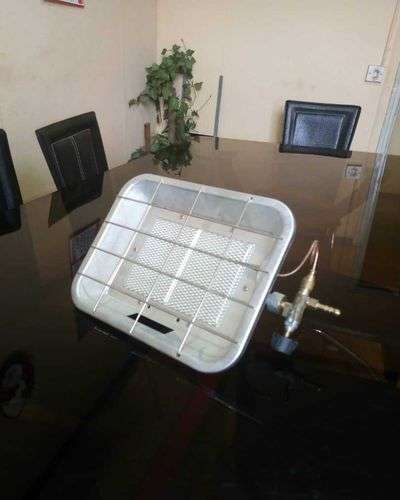
With the valuable assistance of skilled team of professionals, we are engaged in offering an extensive range of high-quality Gas Brooder.
OUT OF STOCK


Reviews
There are no reviews yet.