


Only this weekend
Super Discount
Items on sale this week
Top picks this week. Up to 50% off the best selling products.

Plastic Mulch | 1.2m by 500m
42 Days Broilers Raising Program for 50 Birds (Ebook)
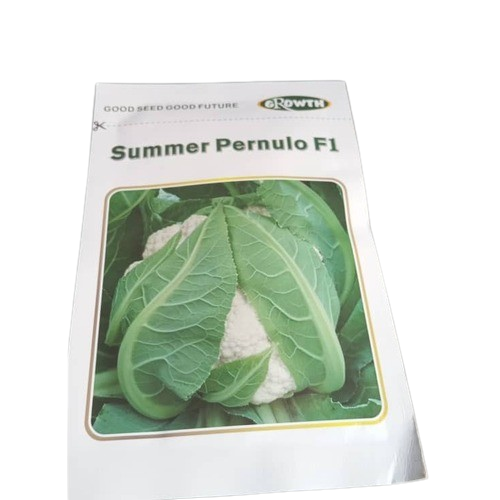
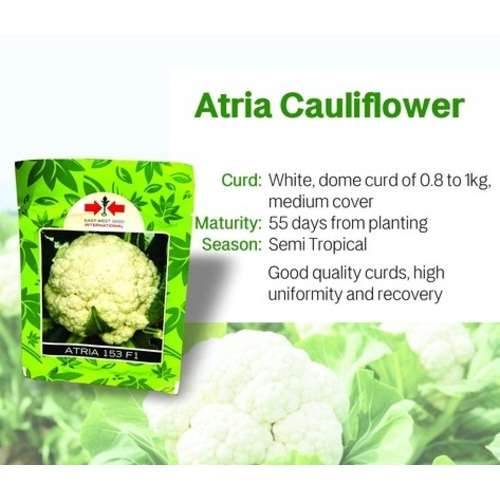
Summer Pernulo F1 Cauliflower Seeds is a high-yielding, hybrid cauliflower variety bred for excellent adaptability to warm and tropical climates. It is ideal for mid to late planting seasons and offers consistent performance in both open field and protected cultivation.
Hybrid Type: F1 hybrid
Maturity: Medium-early (approx. 65–75 days after transplanting)
Head Quality: Compact, dense, pure white curds with good weight and uniform shape
Head Size: Medium to large (typically 1.2 – 2.0 kg per head)
Plant Vigor: Strong plants with good leaf coverage, protecting heads from sun damage
Climate Adaptability: Performs well in warm to moderate temperatures; suitable for tropical and subtropical regions
Disease Tolerance: Shows tolerance to common cauliflower diseases such as black rot and downy mildew
Benefits:
High market value due to excellent head quality
Good field standing ability – retains quality even after maturity
Suitable for fresh market and short-term storage
Sowing Time:
Summer crop: Sow seeds indoors 4–6 weeks before the last frost for transplanting after soil warms.
Direct sow in mild climates or stagger plantings for continuous harvest.
Spacing:
45–60 cm (18–24 inches) between plants, 60–75 cm (24–30 inches) between rows.
Soil & Sun:
Well-drained, fertile soil (pH 6.0–7.0) with ample organic matter.
Full sun (6–8 hours daily), but partial shade may help in extreme heat.
Watering:
Consistent moisture (avoid water stress to prevent buttoning or bitterness).
Fertilization:
Balanced application of NPK with emphasis on calcium and boron for head formation.
When: Heads reach 15–20 cm (6–8 inches) diameter, while still tight and smooth.
How: Cut the head with a sharp knife, leaving a few outer leaves attached for protection.
Storage: Refrigerate for up to 2–3 weeks; blanch and freeze for long-term use.
Bolting: Triggered by temperature fluctuations or drought.
Solution: Use mulch to regulate soil temperature and retain moisture.
Pests:
Cabbage worms, aphids, and flea beetles.
Control: Row covers, neem oil, or Bacillus thuringiensis (Bt).
Diseases:
Black rot, clubroot, or downy mildew.
Prevention: Crop rotation, resistant varieties, and avoiding overhead watering.
| Weight | 8 kg |
|---|





Reviews
There are no reviews yet.