Showing 305–320 of 349 resultsSorted by latest
- Mixed with nitrogen fertilizer, calcium superphosphate has nitrogen fixation and reduces the loss of nitrogen, promoting the germination of plants, root length, branching, strength and maturity.
- Can be used as raw material for the production of composite/mixed fertilizer.
- Widely used in rice, wheat, corn, sorghum, cotton, fruits, vegetables, and other food crops and cash crops.
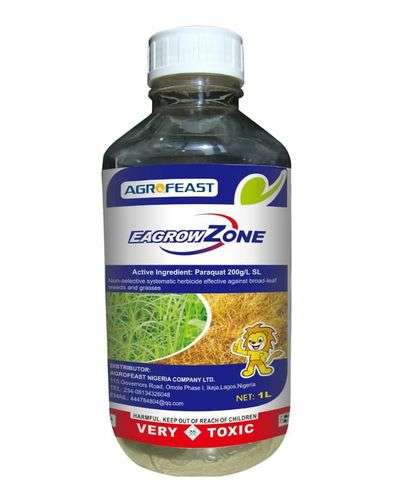
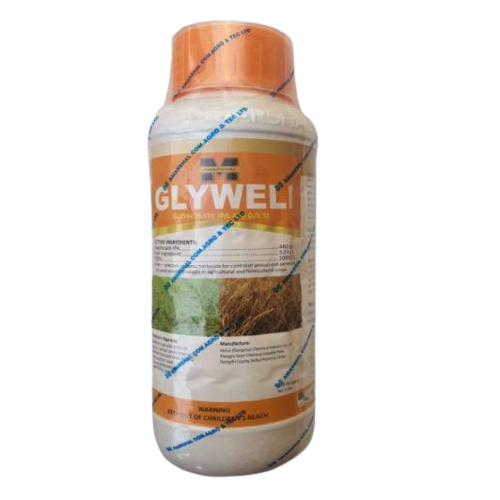
Eagrowzone Paraquat Herbicide | 1L is a quick-touch killing herbicide that loses activity on earth and without leaving toxicity in the soil. Widely applied to the weeding in gardens and woods. Also applied to cotton, sunflowers, soybeans, etc. It is used to protect crops by controlling a wide range of annual and certain perennial weeds that would otherwise compete with the crop for water, nutrients, and light.
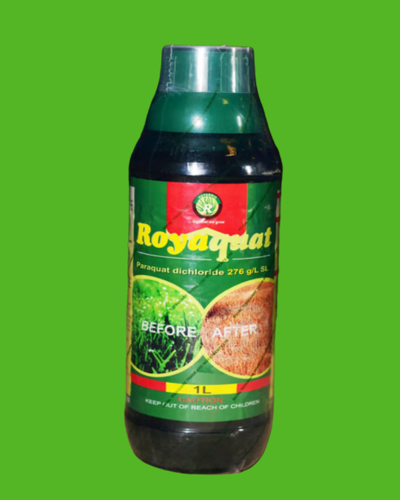
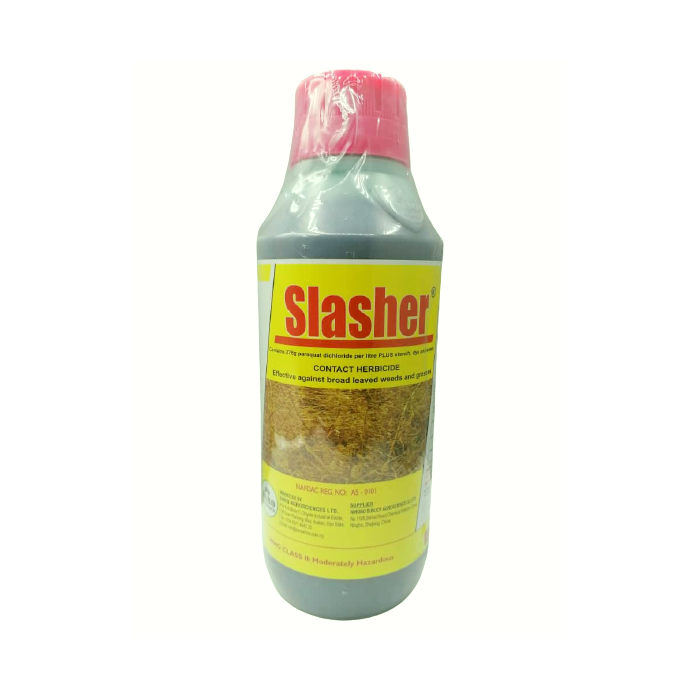
Slasher Dichloride (Paraquat 276 g/L) is a powerful, fast-acting, non-selective contact herbicide, ideal for rapid vegetation control where no regrowth or crop-safe replanting is needed. It leaves no soil residual, but its high toxicity demands strict adherence to safety protocols.
Filter Products
Search for Products
Product categories
Filter by Price
Recently Viewed Products
Harvesting
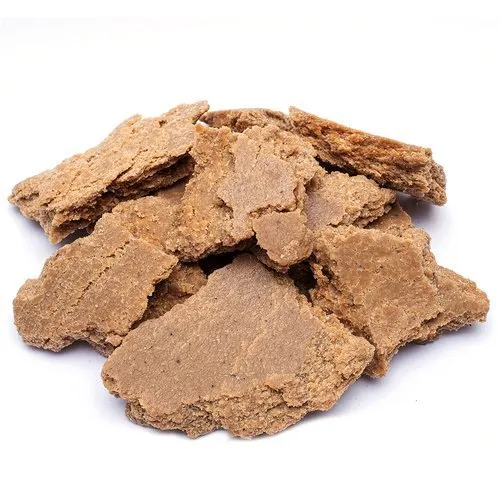
Okra plants will produce large flowers about 2 months after planting. The okra pods will be ready to pick 3 to 4 days later. Harvest the pods when they are 3 to 4 inches long. If the okra gets too large, it will be tough and stringy. Pick the okra every 1 to 2 days or yields will decrease. Okra can be stored for 3 to 5 days in the refrigerator. Okra that is too mature can be dried, cured, and used in flower arrangements. Okra seed is easily saved for next season by leaving some of the last pods on the plant until they get very large. Remove them and allow them to dry. The seeds will shell easily from the pods. Other okra plant materials such as leaves and stems can be put in a compost pile.Packed in a 50kg bag, BDG is a high-protein, high-fiber feed commonly used in livestock diets—especially for ruminants (cattle, sheep, goats), pigs, and occasionally poultry, depending on the formulation.