How Much Does a Tractor Cost in Nigeria? (2026 Price List)

How Much Does a Tractor Cost in Nigeria? (2026 Price List)

Let’s be real—farming in Nigeria today is no longer just about owning land; it’s about how much of that land you can actually work. With the current 2026 economic landscape, relying on manual labor isn’t just slow; it’s a recipe for low yields.

If you’re looking to scale, you need to know the true cost of mechanization. In this guide, I will break down the current market prices for tractors and help you decide whether to buy new, go for “Tokunbo” (refurbished), or simply rent.

//

Buying a tractor is the biggest decision you will make for your farm this year. Don't rush it

– HTS Farms

What is the current price of a tractor in Nigeria in 2026?

The price of farm machinery has shifted significantly over the last few years due to inflation and changes in the exchange rate. However, mechanization remains the most profitable investment for any serious agri-preneur.

Based on current market data and availability, here is what you should budget:

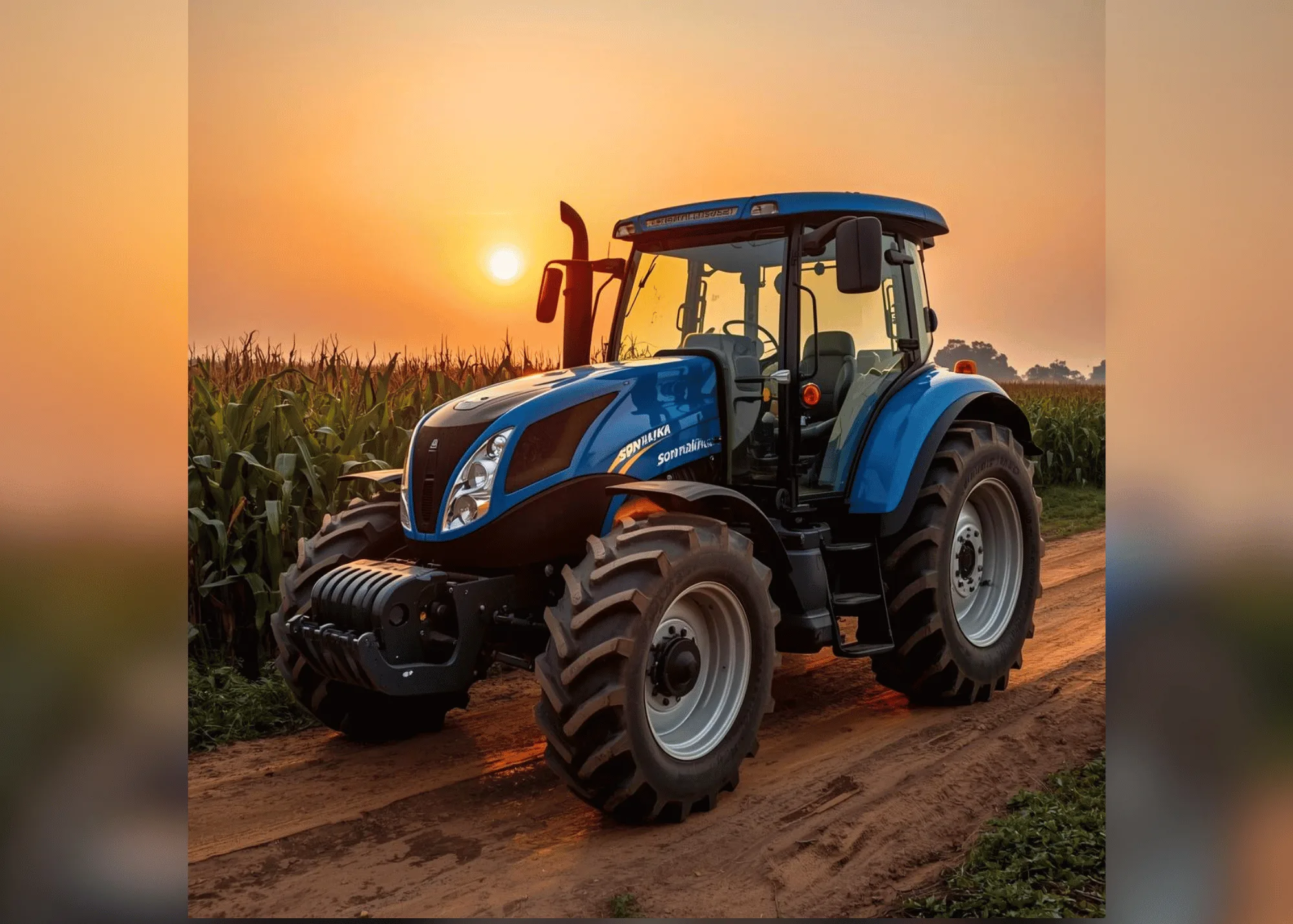
  • Sonalika Tractors (50HP – 75HP): These are currently very popular in Nigeria because they are rugged and fuel-efficient. Expect to spend between ₦12,500,000 and ₦22,000,000 depending on the specific model and whether it is 2WD or 4WD.

  • Massey Ferguson (Refurbished/Tokunbo): Many Nigerian farmers still swear by the Massey Ferguson 290 or 375. A high-quality refurbished unit currently ranges from ₦15,000,000 to ₦28,000,000.

  • Walking Tractors (12HP – 18HP): For smallholder farmers or those working on smaller plots, these power tillers are a lifesaver. They currently go for ₦2,500,000 to ₦4,000,000.

To help you understand what you are paying for, “Horsepower” (HP) simply refers to the engine’s power. A 75HP tractor is a beast that can handle heavy virgin land, while a 50HP tractor is perfect for light plowing and hauling trailers.

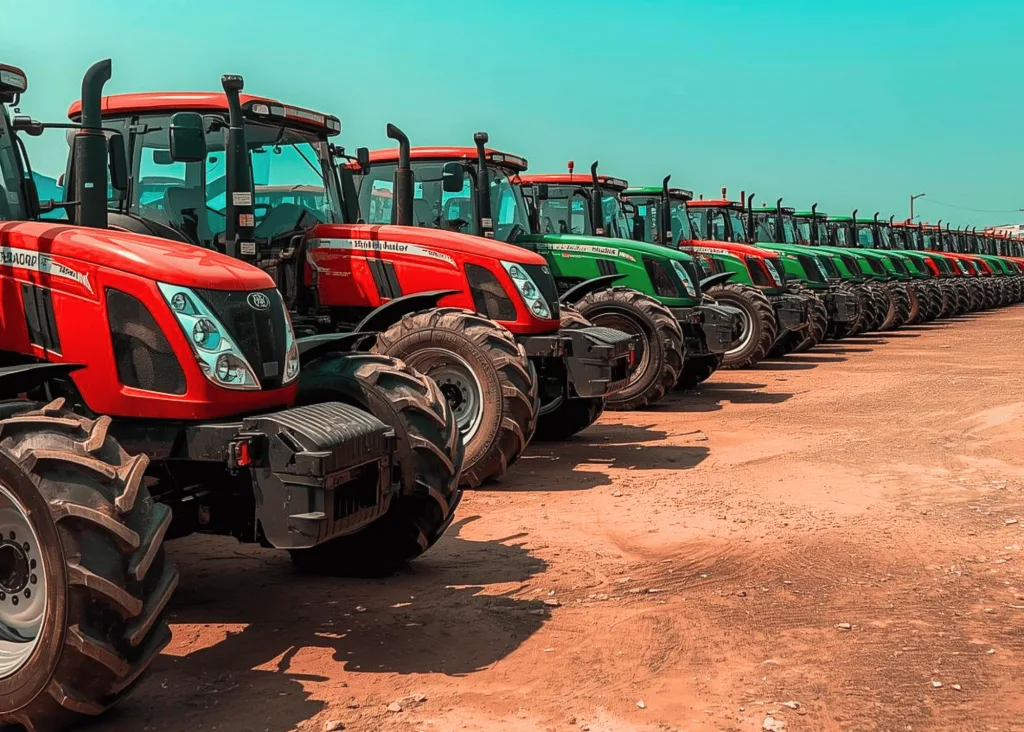
A wide shot of a tractor hiring center in Nigeria, showing a fleet of assorted red and green tractors lined up.

Is it better to buy a new or a used tractor?

This is a question I get asked all the time. The answer depends on your technical knowledge and your cash flow.

Buying a new tractor gives you a 2026 warranty and the peace of mind that it won’t break down mid-season. It uses modern fuel-injection technology that saves you money on diesel.

On the other hand, a “Tokunbo” (refurbished) tractor is significantly cheaper upfront. Brands like Massey Ferguson are popular because almost every local mechanic in Nigeria knows how to fix them. If you have a trusted mechanic, a used tractor can save you up to 40% on your initial investment.


The Hidden Costs of Tractor Ownership

Don’t just budget for the purchase price. You must also account for:

  • Routine maintenance: Changing filters and hydraulic fluids every few hundred hours.

  • Operator salaries: A skilled tractor driver in 2026 expects a professional wage.

  • Fuel: Budget for diesel consumption based on the number of hectares you plan to cover.

How much does it cost to rent a tractor per hectare in Nigeria?

If ₦20 million feels out of reach right now, don’t worry. The “Tractor-as-a-Service” model is booming in Nigeria. You don’t need to own the machine to benefit from it.

Current 2026 rental rates are approximately:

  • Ploughing: ₦35,000 – ₦45,000 per hectare.

  • Harrowing: ₦20,000 – ₦25,000 per hectare.

  • Ridging: ₦20,000 – ₦28,000 per hectare.

Renting is a great way to start mechanized farming without the heavy debt of a full purchase.


Where can I get a loan for agricultural machinery in Nigeria?

The Nigerian government and several banks have stepped up in 2026 to support food security. You can explore:

  1. The Bank of Industry (BoI): They offer specialized windows for agro-processing and mechanization.

  2. CBN Agricultural Credit Guarantee Scheme: This can help you secure loans from commercial banks with lower interest rates.

  3. Lease-to-own models: Some dealers now allow a 30% down payment, with the balance spread across two or three harvest seasons.


What are the best tractor brands for the Nigerian soil?

From our experience at HTS Farms, two brands stand out for our local conditions:

  • John Deere: The gold standard for large-scale durability. If you are doing 500+ hectares, this is your best bet. See more about the product

  • Sonalika: Excellent value for money. They handle the heat and the dust of the Nigerian savannah very well.

Frequently Asked Questions (FAQ)

How do I know the right horsepower (HP) for my farm?

If you are doing heavy plowing on hard, clay-heavy soil, go for at least 75HP. For light harrowing or pulling a small trailer on a 2-5 hectare farm, a 35HP to 50HP tractor is usually enough.

Can I get a tractor on an installment payment plan?

Yes, many agricultural finance programs in 2026 offer installment plans. It usually requires a registered farm business and a solid business plan. If you need help with the documentation, you can look into HTS Consultancy Services.

What is the lifespan of a tractor in Nigeria?

With good maintenance and genuine spare parts, a quality tractor can last 15-20 years. However, because of our dusty environment, you must clean the air filters daily to avoid engine wear.

Are spare parts for foreign tractors available locally?

Yes, for major brands like Massey Ferguson and Sonalika, parts are widely available in markets across Lagos, Kano, and Ibadan.

Don’t Just Read—Take Action!

Join thousands of smart Nigerian farmers buying online. Grab quality Agro inputs delivered to your doorstep anywhere in Nigeria.

Buying a tractor is the biggest decision you will make for your farm this year. Don’t rush it. Compare the prices, check your soil needs, and look at your 2026 harvest projections.

If you are ready to see specific models and technical specs, we have everything ready for you.

Browse our Tractor and Machinery Catalog here to find the perfect match for your farm.

Still have questions about which machine fits your budget? Contact our experts today for a personalized consultation.

Leave a Reply

Your email address will not be published. Required fields are marked *