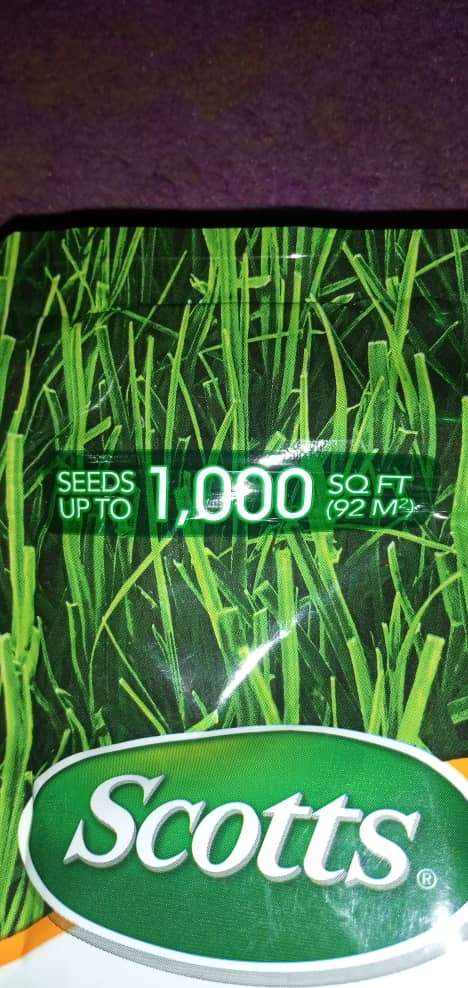
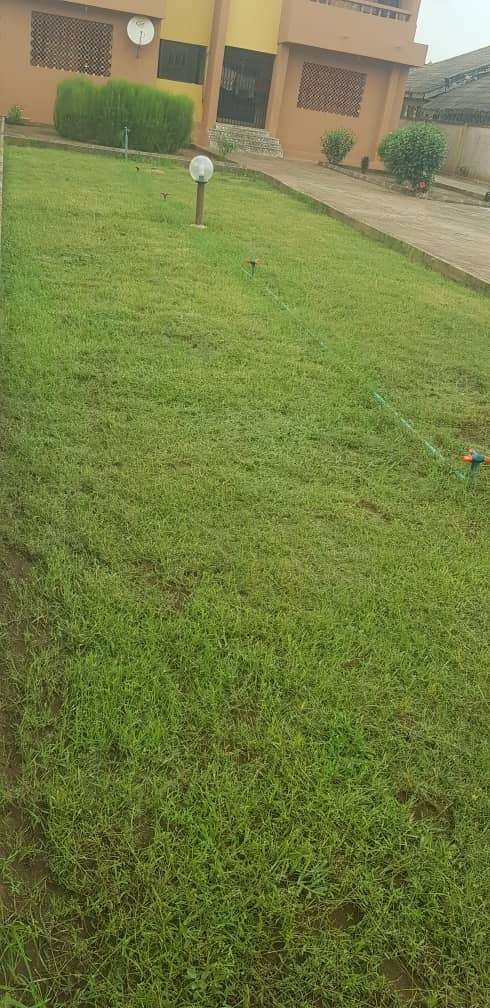
Scotts Bermuda Grass Seeds is a warm-season grass known for its durability, heat tolerance, and ability to create a dense, carpet-like lawn. Scotts offers several varieties of Bermuda grass seeds, often blended with other seed types to enhance performance and ease of establishment.
Types of Scotts Bermuda Grass Seeds
- Scotts Turf Builder Grass Seed Bermudagrass:
- Features: It is designed for full sun areas, providing a thick and durable lawn.
- Coating: Coated to absorb more water and protect against disease, improving the chances of germination and establishment.
- Uses: Ideal for high-traffic areas and lawns in warm climates.
- Scotts Turf Builder Grass Seed Bermuda Grass with WaterSmart PLUS Coating:
- WaterSmart PLUS Coating: Helps the seeds absorb more water, which leads to better germination and early growth. The coating also includes nutrients and a fungicide to protect against diseases.
- Sunlight Requirement: Requires full sunlight for optimal growth.
- Coverage: It Typically covers a larger area due to the enhanced germination rate provided by the coating.
Benefits:
- Heat Tolerance: Bermuda grass is highly resistant to heat, making it suitable for southern regions.
- Drought Resistance: Requires less water than many other grass types.
- Durability: Stands up well to foot traffic, making it suitable for lawns, sports fields, and parks.
- Dense Growth: Forms a thick mat that can crowd out weeds, reducing the need for herbicides.
Planting Instructions:
- Preparation:
- Soil Testing: Conduct a soil test to determine pH and nutrient levels. Bermuda grass thrives in slightly acidic to neutral pH (5.8-7.0).
- Soil Preparation: Clear the area of debris, weeds, and existing grass. Loosen the soil to a depth of about 6 inches.
- Seeding:
- Timing: Plant in late spring or early summer when soil temperatures are consistently warm (70°F to 95°F).
- Seeding Rate: Follow the package instructions for the recommended seeding rate, typically around 1 to 2 pounds per 1000 square feet.
- Spreading Seeds: Use a broadcast spreader for even distribution. Lightly rake the soil to cover the seeds about 1/4 inch deep.
- Watering:
- Initial Watering: Keep the soil consistently moist until the grass is established.
- Ongoing Watering: Once established, it requires about 1 to 1.5 inches of water per week.
Maintenance:
- Mowing: Mow when the grass reaches about 1.5 to 2 inches tall, maintaining a height of 1 to 1.5 inches for regular lawns.
- Fertilizing: Apply a balanced fertilizer in late spring and again in mid-summer. Scotts offers specific fertilizers designed to complement their grass seed products.
- Aeration: Aerate the lawn annually to reduce soil compaction and promote root growth.
- Pest and Weed Control: Monitor for pests and weeds, applying appropriate treatments as needed. The dense growth habit of Bermuda grass helps naturally suppress weeds.
















Reviews
There are no reviews yet.