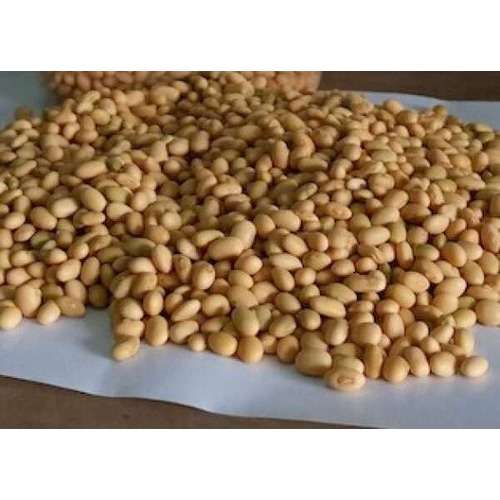
Samsorg 17 Sorghum Seed is a sorghum variety developed to meet the needs of farmers, especially in regions with challenging growing conditions. Below are the detailed features and benefits of Samsorg 17:
Key Characteristics of Samsorg 17 Sorghum Seed | 5kg:
- High Yield Potential
- Productivity: Samsorg 17 is known for its high grain yield, making it a reliable option for farmers looking to increase their production. It is capable of producing high yields even under suboptimal conditions.
- Drought Tolerance
- Resilience: This variety is particularly noted for its drought tolerance, which makes it suitable for arid and semi-arid regions.
- Disease Resistance
- Healthier Crops: Samsorg 17 shows good resistance to common sorghum diseases such as anthracnose, leaf blight, and downy mildew. This reduces the need for chemical treatments and helps maintain healthy crops.
- Adaptability
- Versatility: The variety is adaptable to various soil types and climatic conditions, making it a versatile choice for different farming environments. It performs well in both rain-fed and irrigated systems.
- Maturity Period
- Growth Cycle: Samsorg 17 has a medium maturity period, typically around 110-120 days from planting to harvest. This allows for timely harvesting and can fit well into different cropping calendars.
- Nutritional Value
- Nutrient-Rich: Sorghum grains from Samsorg 17 are rich in essential nutrients, including proteins, vitamins, and minerals. This makes it a valuable food source for human consumption and animal feed.
Agronomic Practices:
- Planting
- Optimal Time: Proper seed spacing and planting depth are crucial for optimal plant development.
- Spacing: Recommended spacing is about 75 cm between rows and 20 cm between plants within a row. This helps in the efficient use of nutrients and sunlight.
- Fertilization
- Soil Fertility: Applying appropriate fertilizers, particularly nitrogen, phosphorus, and potassium, can enhance growth and yield. Soil testing before planting can help determine the specific nutrient needs.
- Weed Management
- Control: Regular weeding is necessary to prevent competition for resources. Mechanical weeding or the use of pre-emergence herbicides can be effective.
- Pest and Disease Management
- Monitoring: Regular monitoring for pests and diseases is important. Integrated pest management (IPM) practices, including biological control and resistant varieties, can help manage pest populations.
- Harvesting
- Timing: Harvest when the grains are fully mature and dry. Proper timing ensures maximum yield and reduces post-harvest losses.
- Post-Harvest Handling: Proper drying and storage are crucial to prevent mold growth and grain deterioration.








Reviews
There are no reviews yet.