


ISA Brown Point of Lay Birds (14 Weeks) | (MOQ: 500 birds)
ISA Brown Point of Lay Birds is a term that’s used to describe a pullet that is approaching the point where the bird will be old enough to lay eggs. The point that they start to lay varies according to her breed (some breeds mature more quickly than others) and other external factors influencing her development too.
- Our vaccination programme is very robust with high-quality vaccines used for proper protection from diseases.
- The average body weight is 1180gms weight with more than 80% uniformity.
Our 14-week ISA Brown pullets are meticulously raised to ensure they arrive at your farm ready to perform. By securing these birds now, you bypass the fragile brooding stage and move straight toward your first harvest of premium brown eggs. These birds are fully vaccinated and adapted to the specific humidity and temperature fluctuations of the Nigerian environment.
At what age do ISA Brown chickens start laying eggs?
While ISA Browns are known for their early maturity, you can expect these 14-week-old pullets to begin dropping their first eggs between 18 and 20 weeks of age. This 4 to 6-week window after delivery is the critical transition period where the birds settle into your facility and finalize their reproductive development. By week 22, most of your flock will have reached a steady, reliable laying rhythm.
Are ISA Browns the best laying hens for commercial poultry?
When comparing the top three egg-laying breeds—ISA Brown, Lohmann Brown, and Rhode Island Reds—the ISA Brown consistently takes the lead for commercial ROI in Africa. They are widely considered the most efficient converters of feed to eggs. Their calm temperament makes them easier to manage in large batteries or deep litter systems compared to flightier breeds, ensuring that stress levels remain low and production remains high.
How many eggs can an ISA Brown lay and do they lay all year round?
A healthy ISA Brown is a biological marvel, capable of laying nearly one egg every 24 to 26 hours during her peak. You can anticipate roughly 300 to 320 eggs in her first year of production. Unlike heritage breeds that may pause during the harmattan or rainy seasons, these birds are bred to lay all year round, provided they have 14 to 16 hours of light and a consistent supply of high-quality layers mash.
How much do ISA Brown chickens cost and what is their lifespan?
The investment in a 14-week ISA Brown reflects the months of intensive vaccination, feeding, and labor already invested in the bird. While the initial cost per bird is higher than day-old chicks, the elimination of mortality risk and the immediate proximity to revenue makes them the more profitable choice. These hens typically have a productive commercial lifespan of 72 to 80 weeks, after which they are often sold as high-demand spent layers in local markets.
Maximize Your Profit with ISA Brown Pullets
Running a poultry business is risky when you start from scratch. High mortality rates in day-old chicks can wipe out your capital before you see a single egg. We remove that pain by doing the hard work for you.
Our 14-week ISA Browns are the ultimate shortcut to cash flow. You aren’t just buying birds; you are buying a 4-month headstart on your competitors. Every bird delivered is backed by our HTS Health Guarantee—if they aren’t fit for purpose upon delivery, we make it right.
We currently have a limited batch of 14-week pullets available for this month’s cycle. With the high demand for eggs in the current market, these batches sell out fast. Don’t let your cages sit empty while feed prices fluctuate—secure your flock now and lock in your production schedule.
Additional information
| Weight | 2 kg |
|---|
Frequently Asked Questions
At 16 weeks (4 months), some early bloomers may start, but most ISA Browns require a few more weeks to reach full physiological maturity for consistent laying.
ISA Browns are docile and pair well with other calm brown-egg layers like Lohmanns or Australorps, though it is always best to keep age-matched flocks together for uniform feeding.
Commercial layers like ISA Browns do not stop based on the month; however, they may slow down during a molt or if daylight hours drop significantly without supplemental lighting.
Yes, the first eggs (pullet eggs) are perfectly safe to eat. They are smaller than standard eggs but are often prized for their rich flavor and firm whites.
Surprisingly, yes. ISA Browns are highly intelligent and can recognize up to 100 different faces. They often become quite attached to their caretakers and will follow them around the farm.
In the Nigerian heat, adding a small amount of baking soda to water can help chickens cope with heat stress by maintaining their pH balance during heavy panting.
Absolutely. Freshly laid eggs are at their peak nutritional value. Just ensure they are clean and handled with proper hygiene.
Related products
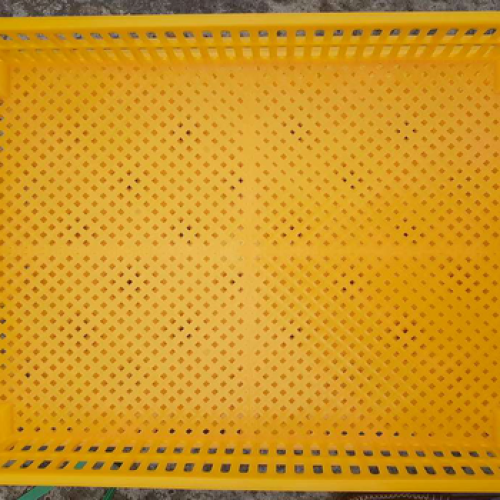
Hatching Basket
₦19,004.00


Reviews
There are no reviews yet.