Broiler Breeders Parent Stock producers (broiler breeders) have one goal: to produce as many good-quality, fertile eggs and hatched broiler chicks as possible. Our parent stock has the fast-growing characteristics that broiler birds need, but they gain weight too quickly, resulting in lower egg production in the hens.
There is clearly a conflict of interest in ensuring proper growth and development in order to maximize egg production.
Feed restriction is used to solve this issue, and the following guidelines are used to do so:
- Producers must ensure that broiler breeder birds reach maturity at the age of 24 weeks.
- During the rearing period, feed crushed millet or maize once a day, rising to three times a day during the laying period. Pour cereal into the litter box. Birds scavenge for grains, exercise, and burn calories.
- For every 50 g a bird registers above the optimum weight, reduce the feed by 5 g per day.
- If you’re raising males and females separately, give the males an additional 30 g of feed each day. Just raise the feed by 5 g per day for each male bird if they are being reared together.
Management of Broiler Breeders
Broiler Breeders Parent Stock development follows a similar pattern to that of egg-laying bird chicks. When the birds are 18 weeks old, repeat the vaccination program and add an avian encephalomyelitis vaccine to the drinking water. At 6 weeks, cull low-quality chicks (usually 3-5%) and use the same lighting pattern as layer birds.
To meet their intrinsic (custom-bred) high growth rates, immature broiler breeder birds feed excessively. As a result, they develop too quickly and become severely obese. To mitigate the issue, compensatory feed restriction strategies are needed, such as a reduction in daily ration, a low protein, high-fiber diet; skip a day feeding, restricting time access to feed, and low lysine levels.
Overall, since cockerels and hens have different nutritional requirements, it is best to rear them separately at first. Cockerels, for example, need higher calcium and phosphorous levels. At 12 to 14 weeks, the sexes can be combined in a ratio of 8-10 hens to one cockerel.
When both pullets and cockerels are 21 weeks old, they should all be re-housed in laying quarters at the same time. Broiler breeders can reach maximum egg production between 30 and 33 weeks of age while using a lighting regime designed for layers.
The inherently heavier broiler breeders are more vulnerable to heat stress than normal laying strains, which may cause problems in the tropics. Laying houses should be located far away from houses where immature birds are raised for health reasons.
Houses used to raise immature birds must be properly cleaned and left for at least three weeks after they have been vacated before reintroducing new chicks.
Points to Remember:
- Prepare, vacuum, and disinfect the house and equipment long before the arrival of the chick.
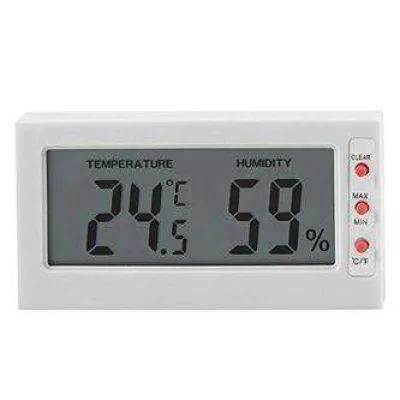
- 24 hours before the chicks arrive, make sure the house is at the proper temperature and relative humidity.
- Ensure that the chicks have access to fresh water and food right away.
- Keep an eye on crop fills to make sure the chicks are getting plenty to eat.
- Use chick actions to determine whether the brooding temperature is appropriate.
- To promote good rearing, set early bodyweight goals.
- Begin weighing samples when they are a day old.
- Weigh the birds twice a week at the same time.
- Use correct measuring devices when weighing birds.
- During rearing, never reduce feed allowance. The budget for food should be maintained or increased.
- Provide adequate feeding and drinking areas for birds.





Reviews
There are no reviews yet.