Modern Vegetable Farming in 2026

Modern Vegetable Farming in 2026

Now, here is the truth—most people in Nigeria still think farming is all about getting a cutlass, a hoe, and waiting for the rain to fall. They call it farming, but in 2026, we call that “struggle.” If you are still relying on old methods, you will keep experiencing the same thing: plenty of sweat, but very little “ego” (money) in your pocket.

The problem is that traditional farming is seasonal. When the rain stops, the harvest stops, and the money stops. But the people you see making real wealth from agriculture today are doing something different. They are using modern vegetable farming techniques to produce food all year round, even in the middle of the heat in February.

Today, I am going to show you how to move from “manage-manage” farming to a modern, profitable system that makes sense for your pocket. Whether you have a plot of land in the village or just a small space in your backyard in Lagos or Abuja, this is for you. Let’s dive in.

//

The era of "hoe and cutlass" is over. Modern vegetable farming is a business, and like any business, it requires the right tools and the right knowledge.

– HTS Farms

What is the best vegetable to start growing now?

If you are looking to start right now, especially during this April and May window, the best vegetable to put in the ground is Fluted Pumpkin, popularly known as Ugu.

Why Ugu? Because in Nigeria, Ugu is like fuel—everybody needs it every single day. It is highly resilient, meaning it doesn’t die easily, and once it starts crawling, you can harvest it every two weeks for several months.

If you want something that brings in cash even faster, you should look at Cucumbers. With modern hybrid seeds, you can start harvesting in just 60 days. That means if you plant today, you are selling and counting your profit in exactly two months. For someone who wants quick turnover, cucumbers are the “fast-track” to vegetable profit.


What are the types of modern farming?

———————

Modern farming is simply using technology and better methods to get more food from less space. You don’t need 10 hectares to be a “big farmer” anymore. Here are the types working in Nigeria right now:

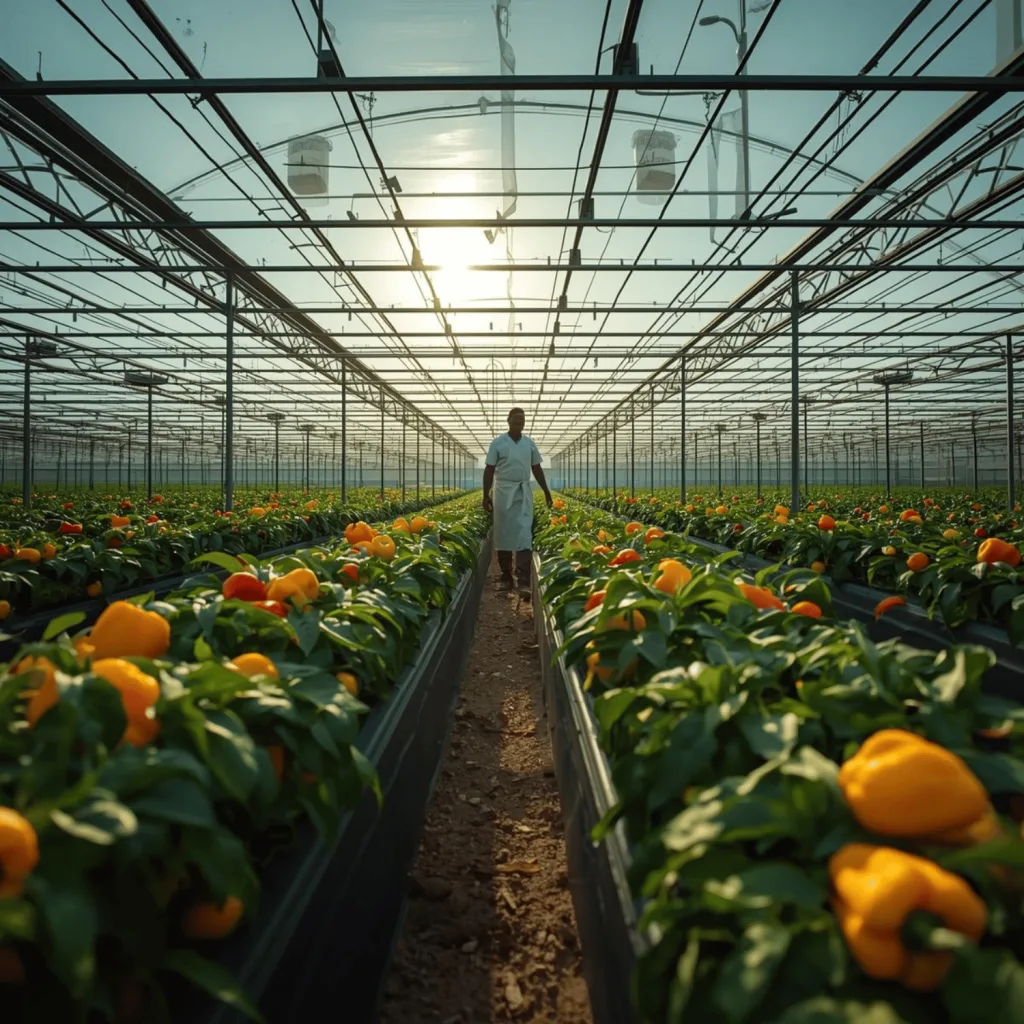
Greenhouse Farming

Think of a greenhouse as a “VIP room” for your plants. It is a structure covered with special nets or plastic that protects your crops from heavy rain, harsh sun, and most importantly, pests. This is how people grow those big, clean tomatoes and bell peppers (Tatashe) you see in supermarkets. It keeps the “cho cho cho” of insects away so you use fewer chemicals.

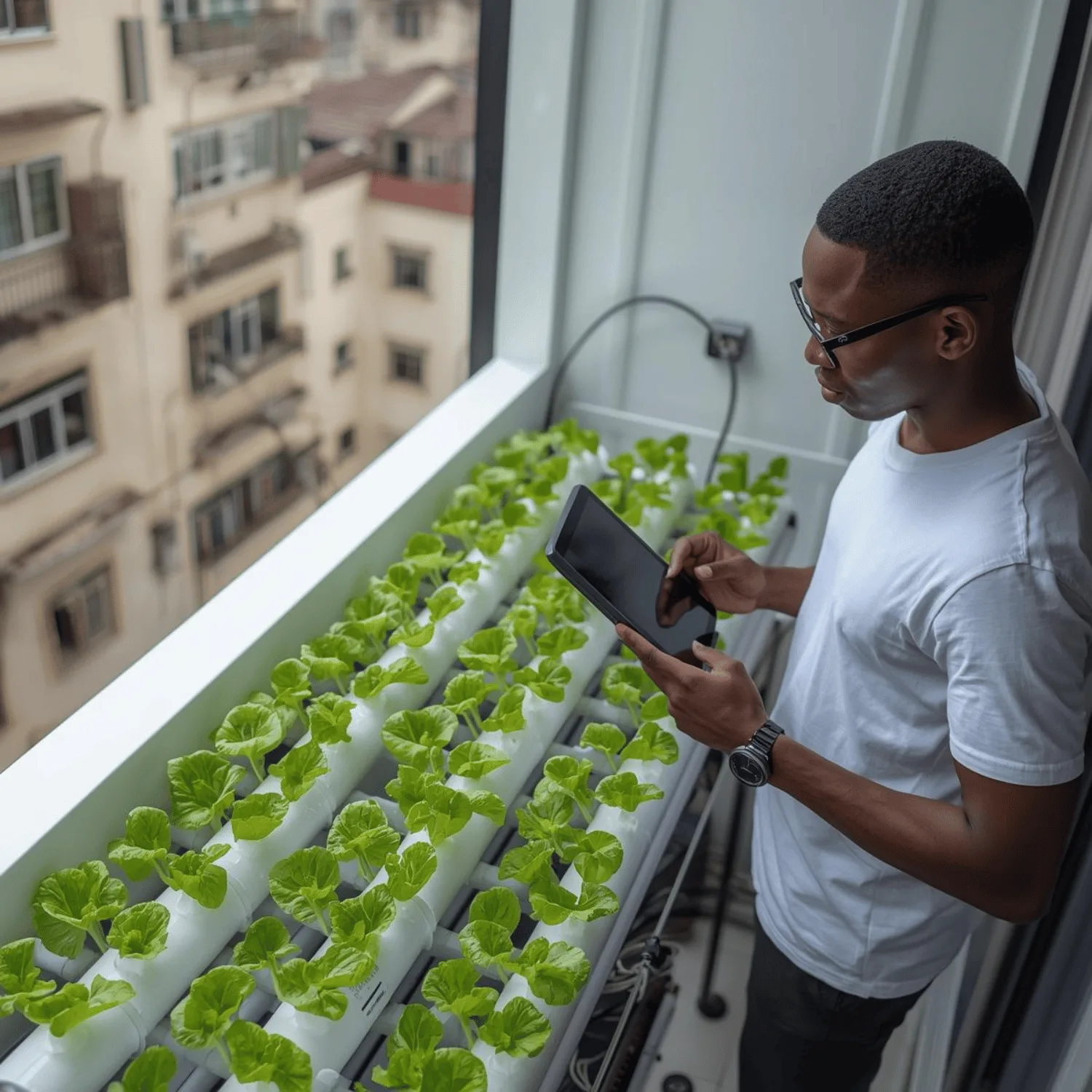
Hydroponics (Soilless Farming)

This sounds like magic, but it’s real. Hydroponics is growing plants without using any soil at all. Instead, the roots sit in nutrient-rich water. This is perfect for urban dwellers. If you live in a flat and have a balcony, you can grow your own lettuce, kale, and spinach using PVC pipes and a small pump. It grows faster than soil-based farming because the plants don’t have to “struggle” to find food—you give it to them directly in the water.

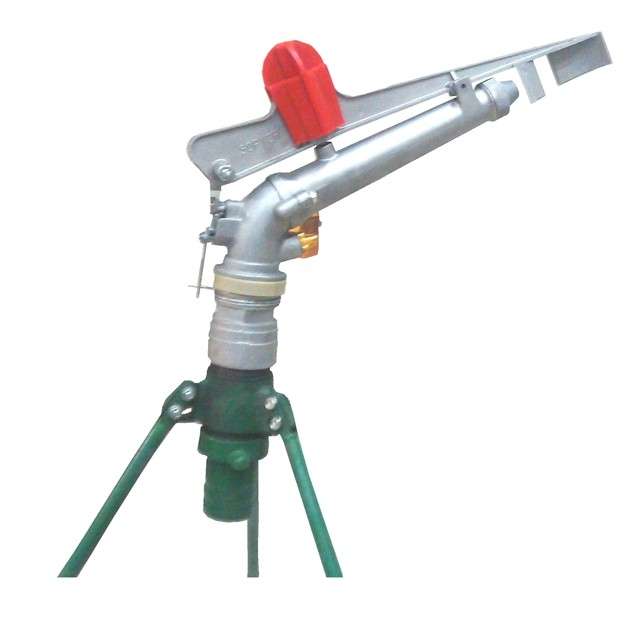
Drip Irrigation

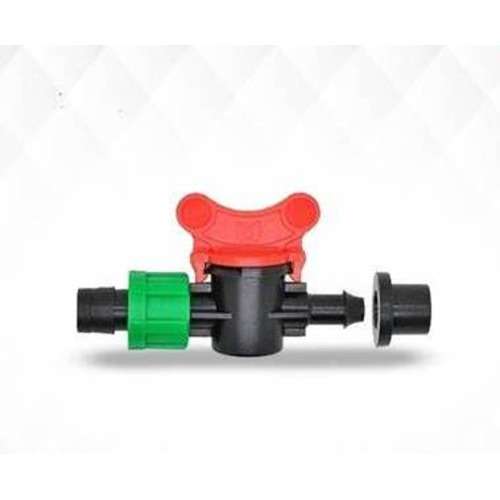
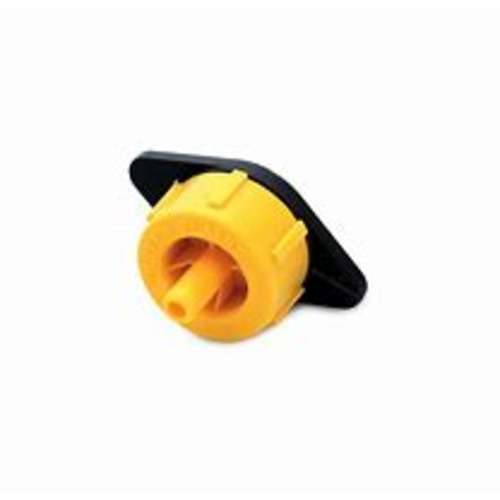
This is the “secret sauce” for dry season farming. Instead of carrying buckets of water or flooding your farm (which wastes water), you use tiny pipes that drop water directly at the root of each plant, sip by sip. It saves you money on labor and ensures your crops never feel thirsty, even when the ground is bone-dry.

Which vegetable farming is more profitable in Nigeria?

If you want to talk about real profit, you have to look at Habanero Peppers (Atarodo) and Bell Peppers (Tatashe/Shombo).

The reason is simple: Nigerians cannot cook without pepper. During the off-season, the price of a basket of pepper can triple. If you use the modern irrigation methods we talked about to produce pepper when others can’t, you define your own price.

Another big money-maker is Cabbage and Cauliflower. Previously, we thought these only grew in Jos, but with modern heat-tolerant seeds, farmers in the South are now making a killing by growing them locally and avoiding the high cost of transporting them from the North.

The secret to profit is not just growing anything; it is growing what people in your specific area are hungry for, and producing it when it is scarce in the market.


What are the 10 types of vegetables?

To help you choose your niche, I have categorized the 10 most common types of vegetables you should know about:

  1. Leafy Greens: These include Ugu, Ewedu, Shoko, and Spinach. They are the easiest to sell.

  2. Fruit Vegetables: This category has your Tomatoes and Garden Eggs.

  3. Podded Vegetables: These are your Green Beans and Peas.

  4. Cucurbits: This includes Cucumbers and Watermelons (yes, watermelon is a vegetable too!).

  5. Alliums: This is the Onion and Garlic family.

  6. Root Vegetables: Carrots and Radishes fall here.

  7. Bulb Vegetables: This is mainly Fennel and Leeks.

  8. Tuber Vegetables: Sweet Potatoes and Irish Potatoes.

  9. Brassicas: This includes Cabbage, Cauliflower, and Broccoli.

  10. Stem Vegetables: This includes things like Asparagus and Celery, which are high-value in big cities.

Frequently Asked Questions (FAQ)

How much do I need to start a small vegetable farm in 2026?

You don't need millions. With ₦50,000 to ₦100,000, you can get high-quality hybrid seeds, some basic organic fertilizer, and a simple manual irrigation kit for a small plot. The key is to start small and scale up as you learn.

Can I do vegetable farming while working a 9-5 job?

Yes. Modern farming is about systems. If you set up a drip irrigation system with a timer, the farm waters itself. You only need to visit during the weekend or hire a trained supervisor to check for pests.

Where can I get original hybrid seeds in Nigeria?

Avoid buying seeds from open markets where they are sold in cups. Those are "anyhow" seeds. Go to registered agro-dealers or companies like East-West Seed or Premier Seeds. Good seeds are the foundation of your profit.

How do I handle pests without using too many chemicals?

We use what is called IPM (Integrated Pest Management). This involves using neem oil, planting "trap crops" that distract insects, and using nets. It keeps your vegetables healthy and safe for people to eat.

Don’t Just Read—Take Action!

Join thousands of smart Nigerian farmers buying online. Grab quality Agro inputs delivered to your doorstep anywhere in Nigeria.

Start Small, Think Big

The era of “hoe and cutlass” is over. Modern vegetable farming is a business, and like any business, it requires the right tools and the right knowledge. You don’t need to be a billionaire to start; you just need to be tired of the status quo.

The food crisis in 2026 is a challenge for some, but for the modern farmer, it is an opportunity to provide value and create wealth.

Ready to start your own modern farm? Don’t just read this and close the page. Take action. If you need help setting up a greenhouse or choosing the right irrigation for your land, reach out to us today. Let’s turn that “empty land” into a green goldmine!

Recommended Products

Leave a Reply

Your email address will not be published. Required fields are marked *