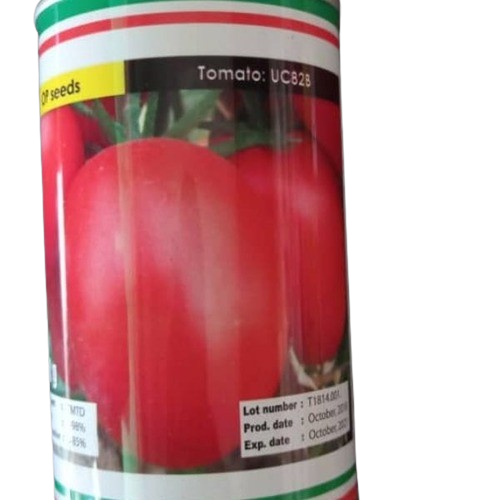
Tomato UC82B OP is a widely grown open-pollinated (OP) tomato variety known for its versatility, reliability, and adaptability in various climates.
Below are detailed explanations about this variety:
Variety Overview
- Type: Open-Pollinated (OP)
- Growth Habit: Determinate (bush type)
- Maturity: Early to mid-maturing, usually takes about 70-80 days from transplanting to harvest.
- Fruit Shape & Size: Produces firm, blocky, and medium-sized fruits, typically weighing between 70 to 80 grams.
- Color: Bright red when fully ripe.
Advantages of Tomato UC82B OP:
- High Yield: Known for producing abundant fruit per plant, making it suitable for both small-scale and commercial farming.
- Disease Resistance: Exhibits resistance to common tomato diseases such as Fusarium Wilt and Verticillium Wilt.
- Good Shelf Life: The fruits have a thick skin and firm flesh, which extends their shelf life and makes them suitable for transport.
- Versatile Use: Ideal for fresh consumption, processing, and canning due to its firm texture and low moisture content.
Growing Conditions
- Climate: Performs well in warm and tropical climates, but it can also adapt to cooler regions.
- Soil: Prefers well-drained, fertile soil with a pH of 6.0 to 6.8.
- Watering: Requires consistent moisture, especially during fruit development, but avoid waterlogging.
- Fertilization: Balanced fertilization with nitrogen, phosphorus, and potassium is essential for optimal growth and yield.
Cultural Practices
- Planting: Seeds can be directly sown or transplanted. Spacing should be about 60 cm between plants and 90-100 cm between rows.
- Staking: Although determinate, light staking or trellising can help support the weight of the fruit-laden branches.
- Pruning: Minimal pruning is needed, primarily to remove any suckers or diseased foliage.
Harvesting
- Timing: Harvest when the fruits are fully colored and firm. UC82B tomatoes can be picked at the mature green stage for processing or ripened on the vine for fresh market use.
- Yield: Average yield can range from 20 to 25 tons per hectare under optimal conditions.
Uses
- Processing: Ideal for making tomato paste, sauces, and canned products due to its solid flesh and low moisture content.
- Fresh Market: It’s a popular choice for fresh consumption in salads, sandwiches, and other culinary dishes.



Reviews
There are no reviews yet.