



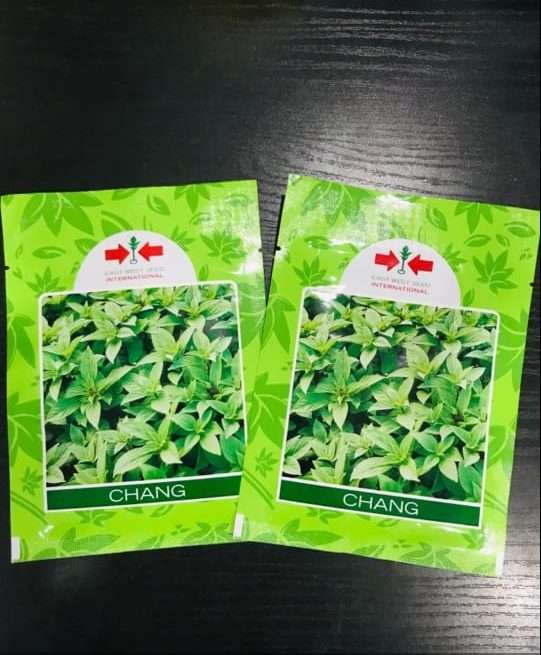
East West Chang Sweet Basil Seed | 10g
₦4,999.00
Basil is a sun-loving annual herb that is among the most popular in the world for flavoring food. In the garden, it is often grown alongside tomatoes and is considered a guard plant protecting veggies and flowering plants from some predators.
Why customers choose us
- Satisfaction Guaranteed
- Fast delivery
- Secure Payments
- 24/7 Customer assistance
How to Sow East West Chang Sweet Basil Seed:
- East West Chang Sweet Basil Seed are Best sown indoors, 6-8 weeks before the last frost, at a temperature of 68-70°
- Sow at a depth of 4 times the size of the seeds and expect germination in 7-10 days
- Seeds can also be sown outdoors after all danger of frost is past and when the ground is warm
- When sowing seed outdoors, we recommend a maximum planting depth of 4X the width of the seed
How to Grow East West Chang Sweet Basil Seed:
Transplanting: If sown indoors, transplant outdoors when there are at least two sets of true leaves
Spacing: Plant seedlings 10-12 inches apart
Lighting: Site in full sun
Soil: Site in a dry, light, medium to rich, well-drained soil
Additional Care: Pinch out the growing tips to promote compactness and to delay flowering; pinch off the flower spikes when they appear. Basil can also be grown indoors on a sunny windowsill, however, do not let the soil temperature fall below 50°
Appearance and Use:
This culinary herb is grown in the ground in the garden, but also transitions well to container culture. The purple-leaved types are highly ornamental. Plants grow 15-24 inches tall and wide and produce ornamentally unimportant, white, or purplish flowers in the summer. It is grown for the broad, dark green or dark purple, aromatic foliage. Depending on the variety, the foliage will be redolent of clove, anise, cinnamon, lemon, rose, or orange. Harvest the leaves at any time for fresh use. To dry them for storage, harvest the leaves as the flowers begin to open
Special Considerations
- Harvest basil as you need it, taking leaves from the top of the plant first. Try not to harvest more often than once a week.
- To dry the leaves for seasoning, cut the entire plant at soil level, turn it upsidedown, and hang it in a warm, dry room for about a week. Then strip the leaves from the stems and store them in an airtight container for up to a year. Do not crumble them until ready to use.
- When adding basil to cooked dishes, wait until just before serving for the strongest flavor and best texture.
Growing Tips for Basil Plants
- Basil loves hot weather and needs consistently moist, rich soil for best growth. Give it 6 to 8 hours of sunlight a day outdoors, and a good dose of fluorescents or plant lights every day indoors.
- As flower buds arise, pinch them off. Flowering will stop the foliage growth and dilute the flavor of the leaves.
Pests and Problems to Watch For
Outdoors, slugs and beetles can nibble the leaves. Using a sharp mulch will discourage their approach.
Indoors, aphids can become a problem. Check the undersides of new leaves very carefully for signs of these tiny white creatures, and spray leaves on both sides to keep them clean.
Additional information
| Weight | 10 kg |
|---|




Reviews
There are no reviews yet.