
Ginger is a “fat underground stem” called a rhizome. It likes warm weather, soft soil, steady rain, and no standing water. In Nigeria, plant after reliable rains have started, not after just one small shower. Ginger needs about 8–10 months to become fully mature (nihort.gov)
For preparation help, see how to prepare for a productive planting season and this Nigerian seasonal planting guide.
Ginger planting seasons in Nigeria
The best date changes because rain comes earlier in the south and later in the far north. Use the calendar below as a starting point, then wait for good soil moisture after successive rains—a practice reported among ginger growers in Jaba, Kaduna. NiMet’s current seasonal forecast and crop-weather calendar can help farmers check local rain onset before planting.
| Zone | Good ginger planting window | States / locations |
|---|---|---|
| Humid South-South and coastal belt | March–April | Cross River, Akwa Ibom, Rivers, Bayelsa, Delta, Edo, Lagos |
| South-East and derived savannah | Late March–April | Enugu, Ebonyi, Anambra, Imo, Abia, Ondo, Ekiti, Osun, Ogun, Oyo |
| North-Central / Southern Guinea savannah | April–May | FCT Abuja, Benue, Kogi, Nasarawa, Plateau, Niger, Kwara, Taraba |
| Main ginger belt / Northern Guinea savannah | Late April–May, sometimes early June | Kaduna, southern Kano, Bauchi, Gombe, Adamawa, southern Kebbi, southern Katsina |
| Drier Sudan/Sahel belt | Late May–June, only where rainfall or irrigation is enough | Sokoto, Kebbi, Zamfara, Jigawa, Kano, Yobe, Borno, northern Katsina |
The dates above follow broad rainfall patterns; for example, HTS Farms lists rain-onset planting dates ranging from March in southern states to late May or June in many northern states. Ginger needs a lot of water over its growing period—about 1,300–1,500 mm in one agricultural review—so very dry locations need dependable irrigation and good mulch.
Which month is best?
April and May are the winning months for most Nigerian ginger farmers. April is usually best in the South and North-Central areas, while late April to May is especially practical in Kaduna’s ginger-growing areas. In Jaba, Kaduna, growers commonly plant from April to early May after enough rains have softened the soil. (fud.edu)
March: Can work in very wet southern states, but planting too early may expose seed rhizomes to rot if drainage is poor.
April: Best for many southern, middle-belt, and early-rainfall areas.
May: Best for Kaduna and many northern/middle-belt farms where rains begin later.
June: A late option for drier northern states; use only if rainfall will last long enough or irrigation is available.
Do not choose a month by the calendar alone. Check your local rainfall forecast through NiMet’s seasonal climate information, then plant when rain has become steady.nimet.gov
How long until harvest?
For mature dry ginger, plan for 8–10 months after planting. NIHORT states that ginger is ready in about eight to ten months, depending on the variety; yellowing and drying leaves are the main signs that it is ready. Another Nigerian agricultural source describes about 10 months as typical and identifies around 8–10 months as the ideal mature-harvest period.
So, ginger planted in:
April is usually harvested from December to February.
May is usually harvested from January to March.
Young “green ginger” can be dug earlier for fresh sales, but do not expect the biggest, driest rhizomes then. After digging, reduce waste by using these post-harvest loss prevention steps.
Which fertilizer is best?
There is no one magic fertilizer for every farm because soil is different. First, do a soil test. NIHORT recommends combining organic manure—such as compost or well-rotted farmyard manure—with fertilizer where the soil needs it. (nihort.gov).
A practical starting point per hectare is:
Compost or farmyard manure: 5–6 tonnes at planting.
NPK 15:15:15: 300 kg per hectare, split into two equal parts.
Apply the first half at planting and the second half about 4–6 weeks after planting (nihort.gov).
This is like feeding a child small meals instead of throwing all the food at once. Too much fertilizer can burn plants or grow too many leaves instead of large rhizomes. Learn how the NPK numbers work in this guide to choosing the right NPK fertilizer ratio.
Common ginger-growing mistakes
Planting in waterlogged soil: Ginger rots when water sits around the rhizomes.
Using sick seed rhizomes: Start with clean, firm, disease-free planting pieces.
Planting after only one rain: Wait for repeated rains and enough soil moisture.
Ignoring weeds early: The important weed-control period is about 8–16 weeks after planting.
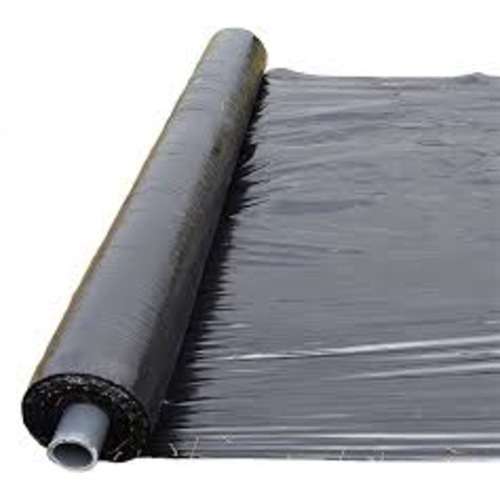
Skipping mulch: Mulch helps soil stay cool and moist; NIHORT recommends mulching at planting and again around three months later.
Harvesting too early for dry ginger: Wait for leaves to yellow and dry if selling mature ginger.
Using fertilizer without checking soil needs: A soil test helps prevent waste and crop damage.
For larger farms, read about when it may be time to switch to mechanized farming and explore farm consultancy support.
Which state produces the most?
Kaduna State produces the most ginger in Nigeria. A 2024 estimate cited by an agricultural industry report put Nigeria’s output at 727,633 tonnes, with Kaduna responsible for 75.54% of it. Kaduna is especially famous for ginger production around its southern growing areas, including Jaba and Kachia.
That does not mean ginger cannot grow elsewhere. It means Kaduna has many experienced growers, suitable conditions, and a strong ginger market network.
Which variety is high yielding?
Nigeria has two commonly identified ginger types:
UG1 — Tafin Giwa / Yellow Ginger
UG2 — Yatsun Biri / Black Ginger
For yield, UG1 (Tafin Giwa, yellow ginger) is the stronger choice based on the cited comparative study: it produced more shoots, more rhizome fingers, and higher yield than UG2. Still, buy seed rhizomes from a trusted source because clean, healthy planting material matters as much as the variety.
NIHORT reports fresh-ginger yields of roughly 15–25 tonnes per hectare, depending on variety and farm management. Before buying inputs, review crop production and input options or visit the farm input shop.
Agricultural Farm Inputs.
Trusted by 5000+ farmers across Nigeria for quality farm inputs and agriculural equipments.