

Ultimate Guide to Crop Inputs: How to Grow More and Protect Your Harvest
Every single plant you grow starts as a small dream in the dirt. To turn that tiny seed into a massive, healthy harvest, you need to give it the right food, care, and protection. Crop inputs are simply the professional tools, vitamins, and shields you give your farm to make sure your crops grow strong and beautiful.
When you use high-quality farming tools, you stop leaving your success up to luck. Instead, you take total control of your field, ensuring your family or your business enjoys a booming marketplace of food. Let us break down exactly how these smart inputs work so you can easily master your farming season this year.
What Are Crop Inputs and Why Do They Matter for Your Farm?
Think of Crop Inputs Like the Vital Fuel for Your Car
Just like a car cannot move without high-quality fuel in the gas tank, a tiny plant cannot grow without proper materials. Crop inputs are all the things you add to your soil and crops to help them thrive and stay healthy. These tools give your farming business the exact power boost it needs to overcome bad weather and poor dirt. Without these necessary items, your plants will end up weak, hungry, and unable to produce any food. Investing in the right supplies early in the season saves you from wasting time and money later on.
Using top-tier inputs ensures that every single seed has the energy to break through the dark ground and reach the sunlight. It is the closest thing to giving your crops a superpower that keeps them growing day and night without stopping. When you feed your field the right ingredients, the entire farming process becomes smoother and much more predictable for you. You no longer have to worry about sudden crop failure because your plants have the strength to fight off stress. Your farm becomes a highly efficient production system that consistently turns out beautiful, healthy food for the market.
The Big Benefits of Picking the Right Inputs for Your Soil
When you choose premium supplies for your land, you are setting yourself up for an incredibly rewarding and massive harvest time. High-quality inputs make your soil rich, soft, and packed with the exact vitamins that young roots love to eat up. This means your plants grow much faster, stand up taller, and produce way more food than standard crops ever could. You will notice that your fields stay vibrant and deeply green even when neighboring farms start to look brown. It is the easiest way to maximize your land space and get the absolute most out of every acre.
Protecting your investment becomes much easier when you use certified items designed specifically for your unique regional farming conditions. These smart inputs create a shield around your field, keeping dangerous bugs and destructive plant sicknesses far away from your leaves. You will save countless hours of hard labor because your crops will naturally resist the most common backyard problems. Stronger plants also mean you get to sell top-grade produce that buyers will happily pay premium prices to look at. Ultimately, picking the right tools turns your regular farming routine into a highly profitable and successful venture.
High-Quality Seeds: The Foundation of a Great Harvest
Why Certified Seeds Beat Saved Grain Every Single Time
Many people try to save money by planting leftover grain from their last harvest, but this actually hurts their results. Leftover grain is often tired, weak, and carries hidden sicknesses that can quickly ruin your entire open field. Certified seeds, however, are carefully tested in professional labs to ensure they are completely clean, strong, and ready to sprout. They act like eager little athletes that are perfectly trained to grow into the biggest, healthiest plants possible. Choosing certified options gives you total peace of mind that your hard work will actually yield results.
When you open a bag of premium seeds, you are getting an absolute guarantee that almost every single item will grow. Saved grains often rot quietly beneath the dirt, leaving ugly empty spaces in your row and wasting your fertilizer. Certified seeds push through the soil at the exact same time, making it incredibly easy to manage your farm. This uniform growth means all your crops will be ready for harvest on the exact same day of the month. You can plan your sales and market deliveries perfectly without worrying about uneven or slow-growing patches.
How to Pick the Perfect Seed for Your Local Weather
Not all seeds are created equal, and choosing the wrong type for your local climate can lead to complete disaster. Some plants absolutely love heavy rain and wet mud, while others prefer dry, sunny days with very little water around. You must look at your local weather patterns and select seeds that are specially bred to handle your environment. If your area experiences long dry spells, you need tough varieties that can survive without constant watering schedules. Matching your seed to your weather is the ultimate secret to low-stress farming success.
Ready to Plant for Success?
Get premium, high-yielding options optimized for local soils.
Crop Nutrition: Feeding Your Soil to Feed Your Plants
The Vital Nutrients Every Plant Needs to Grow Big and Strong
Plants need a balanced diet just like growing children do, and they get this food directly through their deep roots. The three most important elements they crave are nitrogen for green leaves, phosphorus for strong roots, and potassium for fruit. If your dirt is missing even one of these vital building blocks, your crops will look yellow and sad. Adding premium nutrition ensures your plants have an endless buffet of food available throughout their entire life cycle. This constant feeding keeps them energized and ready to produce massive fruits and vegetables for you.
When you supply your land with these core elements, you are fixing the dirt from the inside out. Healthy soil allows roots to dig deep into the ground, searching for water and locking the plant firmly. This means strong winds will not be able to knock your heavy corn or tomatoes down into the mud. Your crops will use this nutritional energy to build thick stems that can support heavy branches of food. Witnessing your field transform into a lush, dark green paradise is proof that proper nutrition works wonders.
Organic vs Chemical Fertilizers: Finding the Right Balance
Organic fertilizers, like animal manure and compost, are fantastic because they build up the long-term health of your dirt. They act like a slow-release vitamin that keeps the soil happy, soft, and full of beneficial earthworms for years. Chemical fertilizers, on the other hand, act like a fast energy drink that gives starving plants immediate food right away. The absolute best farming strategy is to use a smart combination of both types to get immediate and lasting results. This balanced approach keeps your soil alive while giving your current crops an incredible boost in size.
Maximize Your Soil Potential
Boost growth with premium organic and chemical formulations.
Crop Protection: Defending Your Plants from Hidden Invaders
Protecting your farming environment requires highly tactical tools. Look below at the three critical defense paths necessary to guard your crop health against weeds, diseases, and destructive pests.
Herbicides vs Weeds
Weeds sneak into your field and steal vital sunlight, water, and rich soil nutrients. Smart herbicides instantly target these bad plants without causing any harm to your growing cash crops.
Fungicides vs Molds
Damp conditions bring dangerous molds that can rot flowers and turn fruits to mush. Protective fungicides create an invisible shield over leaves to stop airborne spores instantly.
Insecticides vs Bugs
Hungry bugs can march into a field and chew down your profit in just a few short hours. Powerful insecticides stop them from taking a single bite out of your leaves.
Smart Farming Infrastructure: The Greenhouse Advantage
Why Growing Inside a Controlled Space Changes Everything
A greenhouse is like a cozy, customized bedroom built specifically to keep your delicate plants perfectly happy all year. Inside this special covered house, bad bugs cannot reach your leaves, and heavy rainstorms cannot wash your soil away. You get to control the exact amount of water, heat, and sunlight your crops receive every single day. This total environmental control allows you to grow premium vegetables even during the harsh, dry off-season months when prices are highest. It completely removes the guesswork from farming and turns your backyard into a reliable food factory.
Essential Tools Needed to Build Your First Covered Garden
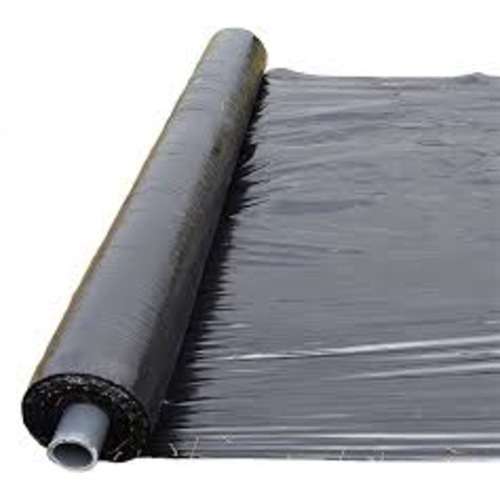
Building a successful covered garden requires a few specific, high-quality materials to keep the environment perfectly stable for plants. You will need strong, UV-protected plastic sheeting to block harmful sun rays while letting the good light inside. Durable metal or PVC framing pipes are necessary to hold the structure steady against strong afternoon wind gusts. Inside, a simple drip irrigation system is vital to deliver tiny drops of water directly to each root. Adding shade nets and ventilation nets will keep the air moving so your plants never get too hot.
Build Your Commercial Greenhouse System
Deploy state-of-the-art framework netting and drip arrays.
What Are the Common Crop Input Mistakes to Avoid?
One of the biggest mistakes young farmers make is throwing too much fertilizer onto their fields at once. They assume that if a little food is good, then a massive amount must be absolutely amazing for growth. This mistake actually burns the delicate roots of your plants and can ruin your soil for the next season. Always read the instruction bottle carefully and apply the exact amount recommended by agricultural experts for your crop. Taking your time and being precise is how you save money and keep your field safe.
Another major error is waiting until your plants look completely dead before you buy protective sprays for them. Once bugs or molds have eaten half of your leaves, it is incredibly difficult to save the harvest. You should treat crop protection like a shield that you put on *before* the invisible enemy attacks your farm. Check your rows daily for early warning signs like tiny holes or slight color changes on the leaves. Catching a problem early means you can fix it quickly with just a tiny bit of product.
Frequently Asked Questions
What are the primary types of crop inputs used in modern farming?
Modern agriculture relies on three main categories of inputs to secure a healthy harvest. First are seeds and seedlings, which form the literal foundation of your crop. Second are crop nutrition products, primarily fertilizers, which feed the soil. Third are crop protection inputs, which include herbicides, fungicides, and insecticides to shield plants from pests and diseases.
How do I know if my soil needs organic or chemical fertilizer?
The best way to know is through a professional soil test, which reveals exactly what nutrients your land is missing. Organic fertilizers are ideal for building long-term soil structure and moisture retention over several seasons. Chemical fertilizers are best used when your current crops are showing immediate signs of nutrient starvation and need a fast energy boost to survive.
When is the best time of day to apply crop protection sprays?
Crop protection inputs like insecticides and fungicides should be applied during the cool hours of the early morning or late evening. Spraying during the hot afternoon causes the liquid to evaporate too quickly, reducing its effectiveness and potentially burning the plant leaves. Additionally, winds are usually calmer during these hours, preventing the spray from drifting off-target.
Can I use the same herbicide for all types of weeds on my farm?
No, you cannot use a single herbicide for every weeding task because different products target different plant types. Selective herbicides are formulated to eliminate specific weeds while leaving your main crop completely unharmed. Non-selective herbicides will kill any green plant they touch and should only be used during land preparation before planting your seeds.
Are certified seeds resistant to all types of plant diseases?
Certified seeds are bred to be highly resistant to specific, common diseases, but they are not completely immune to every single threat. They give your crops a massive head start and a much stronger immune system than saved grains. However, you still need to practice proper crop rotation and use protective fungicides when weather conditions favor mold growth.
How does a greenhouse system help control crop inputs more efficiently?
A greenhouse encloses your cultivation area, preventing rain from washing away expensive fertilizers and blocking pests from invading. Because the environment is completely contained, your drip irrigation applies water and nutrients directly to the roots without waste. This controlled setup allows you to use significantly fewer crop protection chemicals while achieving higher yields.
Secure Your Farming Success Today
Using the right farming tools and inputs is the ultimate secret to turning a struggling field into a booming marketplace. When you feed your dirt the right food and protect your leaves from bad bugs, nature rewards you with massive, healthy harvests every single time.
Ready to maximize your farm yields and protect your hard work? Head over to HTS Farms today to stock up on premium seeds, rich fertilizers, and reliable crop protection to secure your successful harvest.