Why Your Farm is Stalling: 5 Signs It’s Time to Move Beyond Manual Labor

Why Your Farm is Stalling: 5 Signs It’s Time to Move Beyond Manual Labor

Many Nigerian farmers take immense pride in the “sweat of their brow.” You’ve put in the hours, cleared the brush by hand, and sowed every seed with precision. But in 2026, there is a hard truth we must face: Hard work alone is no longer enough to stay profitable in Nigeria.

As labor costs rise and the demand for food surges across the country, relying solely on manual labor creates a “growth ceiling” that your farm cannot break through. If you feel like you are running faster just to stay in the same place, your farm isn’t failing—it’s stalling.

Here are five undeniable signs that it is time to transition from manual tools to mechanized farming.

//

By moving beyond manual labor, you reduce your risks, protect your health, and finally give your farm the room it needs to grow.

– HTS Farms

1. Labor Costs are Eating Your Profit Margins

In previous years, hiring a crew for land preparation was affordable. Today, the cost of daily manual labor—combined with the logistics of feeding and transporting a team—often exceeds the projected profit of the harvest itself.

When you factor in absenteeism or the “human error” of uneven clearing, you are paying more for less efficiency. A single power tiller operated by one person can often do the work of 20 laborers in a fraction of the time, turning a recurring high expense into a one-time investment that pays for itself in two seasons.


2. You Can’t Complete Land Preparation Before the Rains

Timing is the difference between a bumper harvest and a total loss. If your manual crew takes three weeks to clear and ridge five hectares, you may miss the optimal planting window. In Nigeria’s unpredictable climate, a week’s delay can lead to stunted growth or pest infestations.

Mechanization allows you to be “weather-ready.” With the right tillage equipment, you can prep your entire field in hours rather than weeks.

Pro Tip: To learn more, check out the Tillage & Cultivation section of our Agricultural Machinery & Equipment Guide.

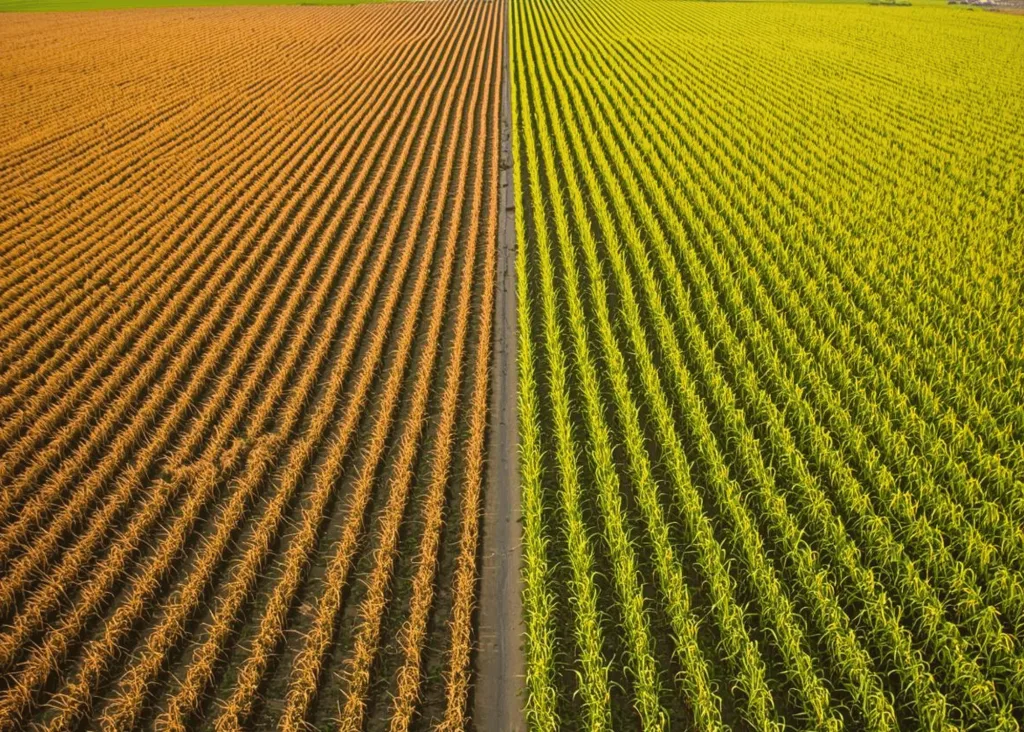
ide-angle landscape photograph of a commercial maize farm in Nigeria

3. Your Yield Consistency is Fluctuating

Have you noticed that some parts of your farm thrive while others struggle? Manual seed sowing and fertilizer application are rarely uniform. Some seeds are buried too deep; others are too shallow.

Mechanized planters and spreaders ensure every seed is placed at the exact depth and spacing required for maximum sunlight and nutrient absorption. This precision results in a “level” field where every plant reaches its full potential, significantly increasing your overall bags-per-hectare.


4. You Are Physically Exhausted But the Farm Isn’t Growing

If you, the farm owner, spend 80% of your day handling a hoe or supervising laborers, you aren’t running a business—you’re working a job. Scaling an agribusiness requires time to find new buyers, negotiate better seed prices, and study market trends.

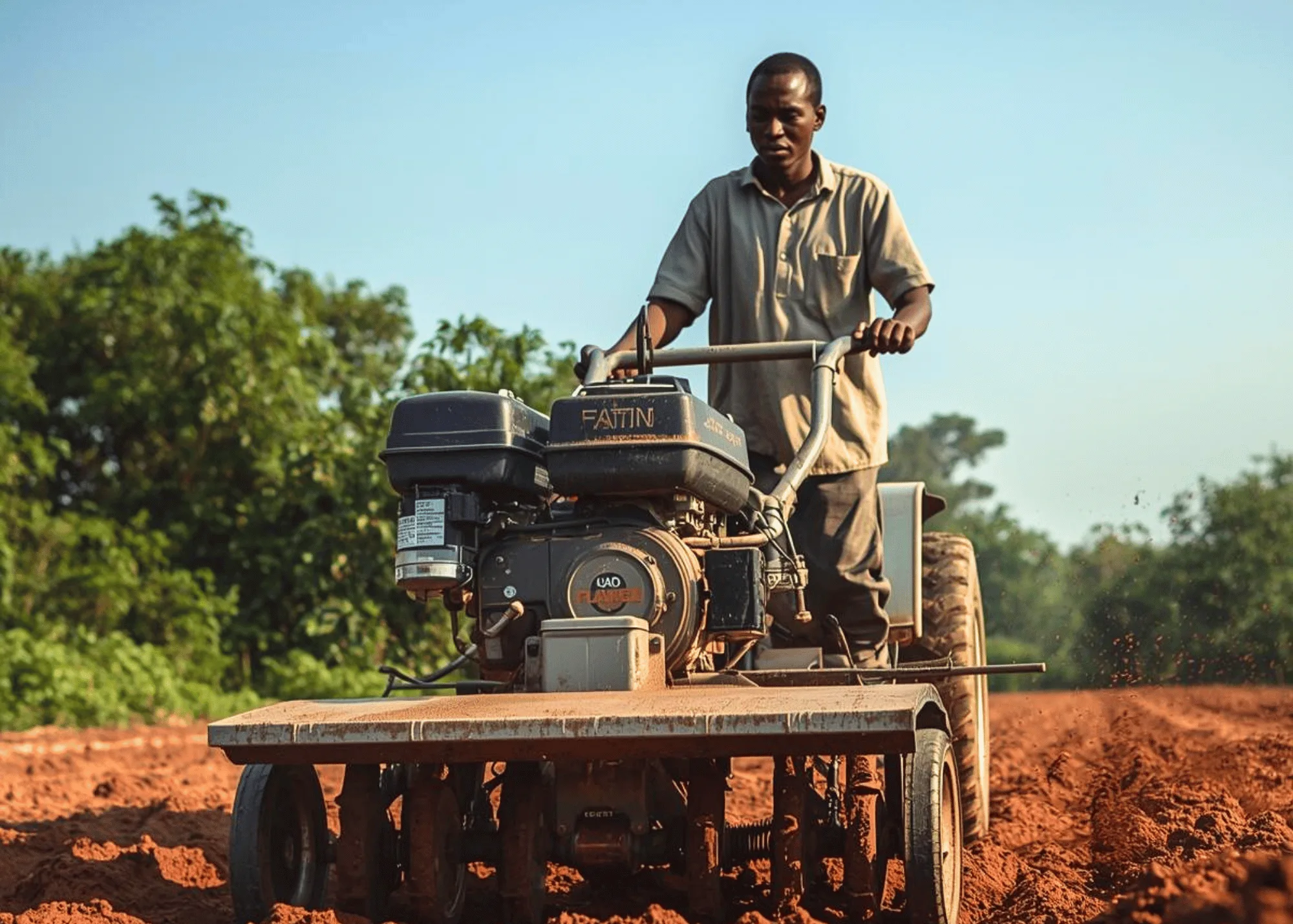
Transitioning to entry-level machinery like mini-tillers or small ag tractors frees you from the physical grind. It shifts your role from “Chief Laborer” to “Chief Strategist,” which is the only way to move from a smallholding to a commercial enterprise.

A female farmer, smiling with satisfaction, is operating a modern, motorized cassava grating machine

5. High Post-Harvest Waste

The most painful sign of a stalling farm is watching crops rot because you can’t process them fast enough. If you are still shelling maize by hand or grating cassava with manual tools, you are losing a race against time and pests.

Investing in agro-processing machines—like threshers or mills—allows you to process your harvest immediately. This not only stops waste but lets you sell a “value-added” product (like flour or oil) which fetches a much higher price than raw produce.

Frequently Asked Questions (FAQ)

Is mechanization only for farmers with hundreds of hectares?

No. In 2026, tools like Power Tillers and Mini-Tillers are specifically designed for farms under 5 hectares, providing the power of a tractor at a fraction of the cost.

What is the most affordable way to start mechanizing my farm?

The most accessible entry point is usually a diesel power tiller for land preparation or portable threshing machines to reduce post-harvest labor.

How much can I save by switching from manual labor to a machine?

While the initial investment is higher, most farmers see a 30-50% reduction in seasonal operational costs and a significant increase in harvest speed.

Where can I find reliable equipment that fits the Nigerian climate?

It is essential to source from verified suppliers who offer local parts and service. You can view a list of vetted brands in our Comprehensive Equipment Guide.

Don’t Just Read—Take Action!

Join thousands of smart Nigerian farmers buying online. Grab quality Agro inputs delivered to your doorstep anywhere in Nigeria.

Conclusion: The First Step Toward 2026 Profitability

Mechanization isn’t just for the “big players” with hundreds of hectares. In today’s economy, it is the tool that makes a farmer big. By moving beyond manual labor, you reduce your risks, protect your health, and finally give your farm the room it needs to grow.

Ready to see which machines fit your budget and farm size? Read our Comprehensive Agricultural Machinery & Equipment Guide here to find the right entry-level tools for your 2026 season.

Leave a Reply

Your email address will not be published. Required fields are marked *