Queen catcher Metal
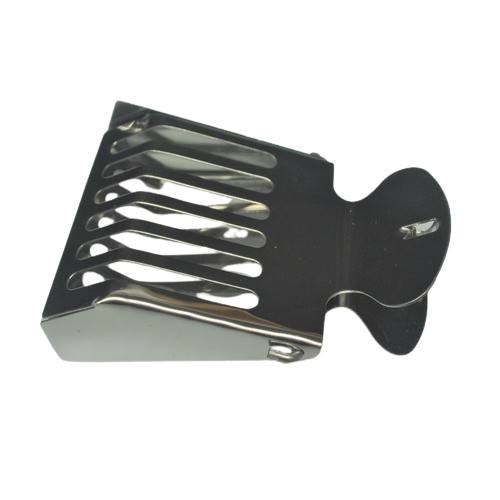
With the Queen Bee Queen Catcher, you can effortlessly and safely capture queen bees without causing harm or stress. Its innovative design features a specially designed cage that allows for easy identification and isolation of the queen bee, ensuring minimal disruption to the hive. Crafted from durable and non-toxic materials, this catcher prioritizes the well-being of your bees.
Why customers choose us
- Satisfaction Guaranteed
- Fast delivery
- Secure Payments
- 24/7 Customer assistance
Queen catcher Metal are valued tool in beekeeping operations, providing beekeepers with a reliable and effective means of handling and managing queen bees without causing harm or disruption to the hive.
Their durability, strength, and longevity make them a preferred choice for many beekeepers.
Here are some key features and considerations regarding metal queen catchers:
- A metal queen catcher is a tool used by beekeepers to safely capture and isolate the queen bee from the rest of the hive for various purposes such as marking, inspection, or transportation.
- They are typically made of durable, rust-resistant metals such as stainless steel or aluminum.
- They come in various designs, but they generally consist of a frame or cage with openings that allow worker bees to pass through while trapping the queen inside.
- Adequate ventilation is essential when using a queen catcher to ensure the queen remains healthy and comfortable while confined.
- Metal queen catchers are relatively easy to clean and sterilize between uses.
- Easy to use queen catcher – simply press between thumb and forefinger to open the cage, place over the comb, and pick up the queen
- The metal queen bee catcher tool allows you to pick the queen up off the frame and hold her without injury.
Additional information
| Weight | 15 kg |
|---|
Related products
Recently Viewed Products
- 10 in a pack
Helpful hints
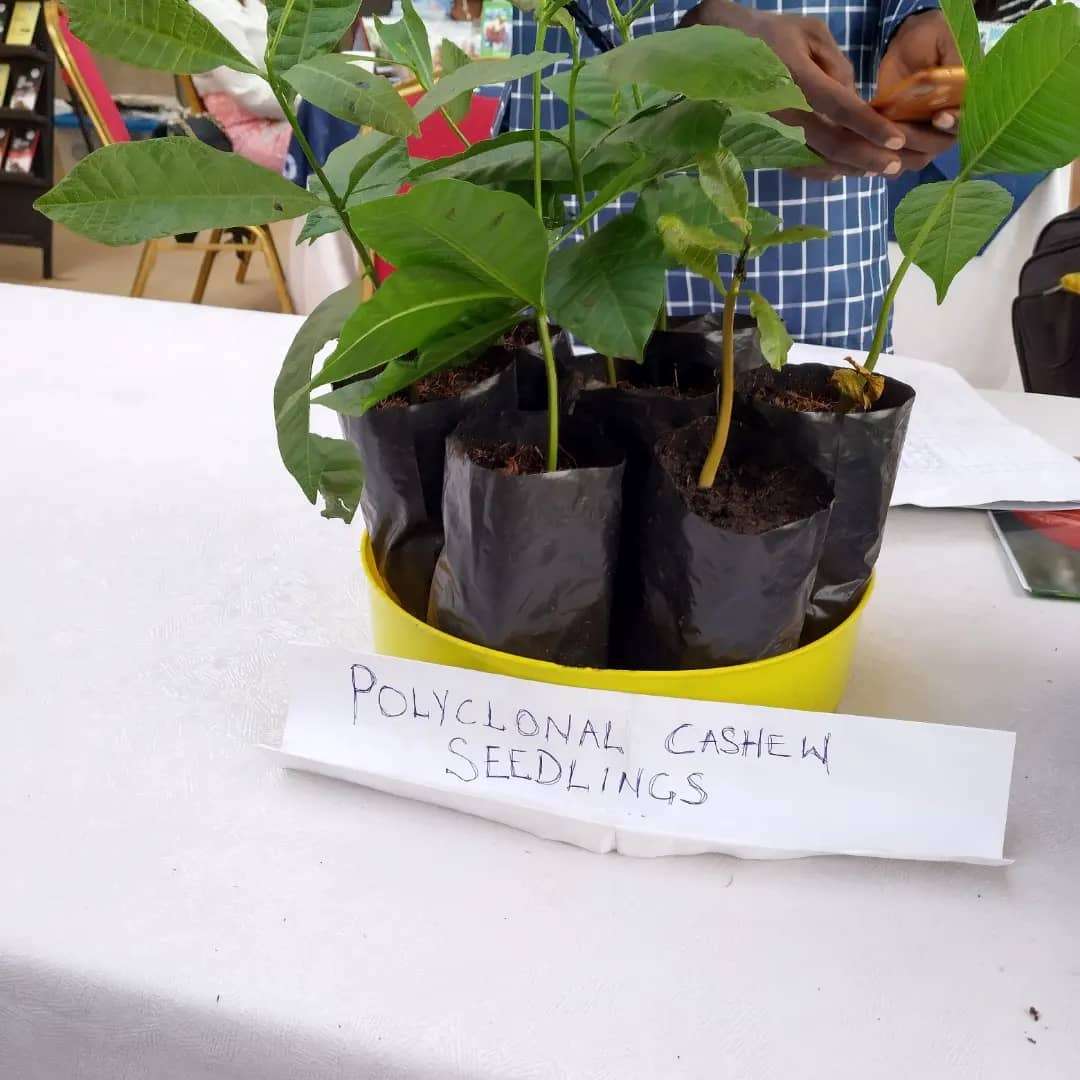
- Most of the time, the seed nuts sprout within 14 to 15 days after being planted. You can cover the seedbed with paddy straw until the seeds sprout, and you can give it some shade in the summer.
- Cashews need 750 g of nitrogen, 325 g of phosphorus, and 750 g of potassium per plant. After the first year is over, use only 1/5th of the dose, and only 2/5th of the dose during the second year.
- In the early stages of a cashew plantation's growth, pineapple is the intercrop that makes the most money.
- For poor soils, 7.5 m x 7.5 m is the recommended spacing, while 10 m x 10 m is the required spacing for rich, deep, sandy coastal soils. After the flowers are fertilised, the fruits will be ready to pick in about two months.


Reviews
There are no reviews yet.