
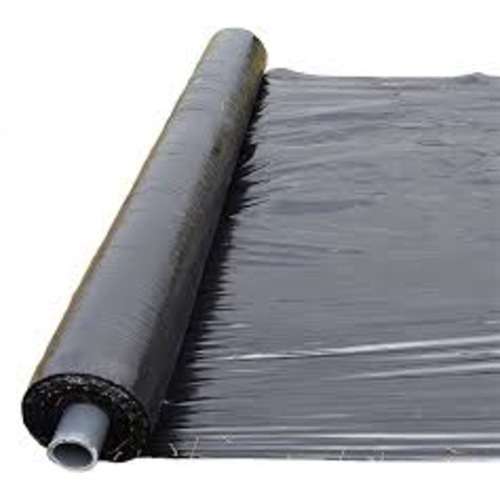

Post-harvest food loss remains one of the most critical threats to agribusiness profitability in Nigeria, with some value chains losing over 40% of total yields before they reach the consumer. To protect your investment and scale production, managing what happens after harvest is just as critical as land preparation or seed selection. Transitioning from traditional
Category: Agricultural Practices
Key Article Highlights ✔ Agriculture contributes 23.16% to Nigeria’s real GDP according to recent NBS data, generating over ₦11.8 trillion. ✔ Over 35% to 40% of the entire workforce is directly employed in farming, mostly via rural smallholders. ✔ Nigeria possesses 79 million hectares of arable land, but only about half is actively cultivated due
- 1
- 2
Looking for something? try searching
Recent Post
- Apple Cultivation in Nigeria: A Practical Guide for New Farmers
- Ginger Planting in Nigeria: Best Months, Fertilizer & Mistakes
- Egusi Planting Season in Nigeria
- Best Time to Plant Pepper in Nigeria: The Ultimate Farmer Guide
- Rice Planting Season in Nigeria: Complete Agro-Ecological Timing and High-Yield Management Guide
Post Categories
- Agricultural Machinery & Equipment (8)
- Agricultural Practices (16)
- Agricultural Supplies and Farm Inputs (8)
- Agriculture (12)
- AgTech & Modern Farming (10)
- Animal Feed (1)
- Cassava (1)
- Crop Inputs (3)
- Farming Equipment (2)
- Fertilizers (1)
- Fish Farming (3)
- Food processing (2)
- Fruits and Vegetables (3)
- Irrigation (1)
- Livestock Farming (4)
- Mixed Farming (1)
- Pest Control (1)
- Poultry (2)
- Poultry & Livestock Management (17)
- Poultry Farming (6)
- Sustainable Agriculture (8)
- Uncategorized (53)
- Vegetable Farming (4)