


- The best time to plant pepper in Nigeria without irrigation is between April and June when steady rains begin.
- The best time to plant pepper in Nigeria with drip irrigation is between December and February to harvest during high market scarcity from April to July.
- Pepper seeds stay in the nursery for 4 to 6 weeks before you transplant the young seedlings into the open field.
- Harvesting pepper starts 60 to 90 days after transplanting and can continue for 6 to 12 months with proper plant care.
- Top commercial pepper varieties grown across Nigeria include Atarodo (Scotch Bonnet), Shombo (Cayenne pepper), and Tatase (Sweet Bell pepper).
- Planting pepper during the dry season brings 100% to 200% higher profit because market supply is very low while food demand remains high.
When is the Best Time to Plant Pepper in Nigeria Across Different Ecological Zones?
The best time to plant pepper in Nigeria changes across different regions because the start of rainfall is not the same everywhere. Southern states get early rains around March or April, while far northern states often wait until late May or June for the soil to hold enough moisture. Knowing your exact zone stops your young plants from dying of thirst or getting washed away by heavy floods.
Every Nigerian state falls under a specific farming calendar that dictates whether you need natural rain or artificial watering. If you match your seed sowing to your local climate, you will harvest heavy, healthy pepper fruits without wasting expensive farm fertilizers or chemical sprays.
What is the Rain-Fed Planting Schedule for Southern and Middle Belt States?
For rain-fed farming in Southern and Middle Belt states, start your pepper nursery in February or March and transplant to the field between April and June. The early rains provide soft soil and steady moisture that allow seedling roots to establish quickly without drying out.
Southern states like Oyo, Ogun, Edo, and Delta experience long rainy seasons with a short dry spell in August. Middle belt states like Benue, Plateau, and Niger get steady rainfall that supports heavy vegetative growth before flowering begins.
Ensure your farmland has proper drainage channels before the heavy rains peak in July. Water sitting around pepper roots for more than twenty-four hours will cause root rot and kill your plants quickly.
Raised beds help lift pepper stems above standing water during torrential downpours. Good soil drainage also stops dangerous fungi from spreading across your entire field.
What is the Dry-Season Irrigation Schedule in Northern Nigeria?
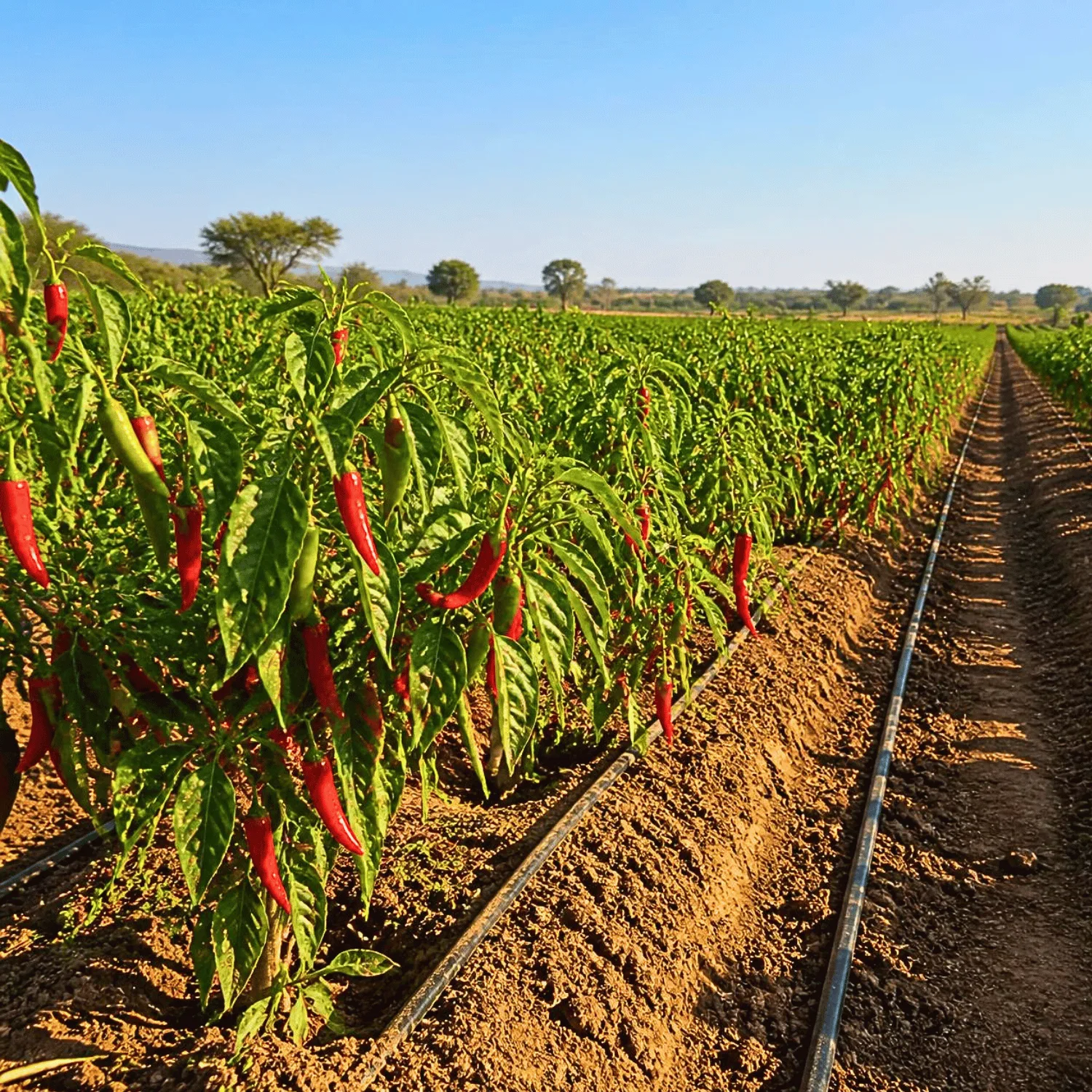
For dry-season irrigation farming in Northern Nigeria, start your nursery between September and November and transplant seedlings into the open field from October to December. Northern states like Kano, Kaduna, Sokoto, and Katsina have vast flat lands and low humidity that make dry-season farming highly productive.
Using river washbores, dams, or deep boreholes allows farmers in the North to supply clean water directly to crop roots. The dry weather stops many wet-season fungal leaf diseases from attacking the plants.
The dry harmattan air provides full daily sunshine that helps pepper plants create food and produce large numbers of bright flowers. This continuous sunshine results in heavier, hotter, and thicker pepper fruits.
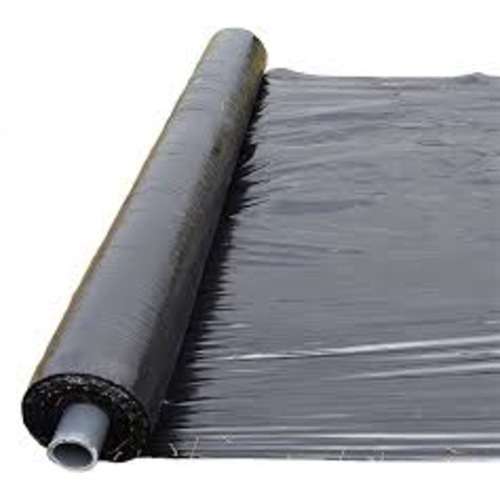
You must mulch your planting beds with dry grass or plastic mulch films to prevent the hot sun from evaporating soil moisture. Drip irrigation lines ensure that every single pepper plant receives exact water daily without wasting fuel or labor.
How Does the Off-Season Planting Window Maximize Market Profits Between April and July?
The off-season planting window between December and January produces fresh pepper harvests from April to July, which is the period of highest market scarcity in Nigeria. During these months, old farm stocks are exhausted and regular rain-fed farms are just starting to plant.
A standard 50kg bag of Scotch Bonnet (Atarodo) that sells for low prices during harvest peaks can rise by 100% to 200% between April and July. Smart commercial farmers deliberately prepare for this window every single year.
Dry-season farming requires an upfront investment in reliable water pumping machines and drip irrigation lines. However, the high market prices during the scarcity window quickly pay back the cost of equipment within the first two harvests.
By harvesting your pepper when the open markets are empty, market women and bulk food distributors will compete to buy directly from your farm gate. This guarantees steady cash flow and massive returns on your agribusiness investment.
What is the Month-by-Month Management Timeline for Growing Pepper in Nigeria?
A clear month-by-month timeline helps you track essential farm operations from seed selection and land clearing to final market sales. Pepper plants take 4 to 6 weeks in the nursery and another 60 to 90 days in the field before your first harvest begins. Following a strict schedule ensures your crops never miss crucial watering, feeding, or weeding cycles.
Missing a single management window can lower your total yield by more than half. Here is the vertical step-by-step calendar showing how to manage your pepper farm across every month of the year.
Run soil tests, clear stumps, and plough fields deeply. Build nursery beds under partial palm shade or sow hybrid seeds in seedling trays. Lay irrigation hoses and apply basal manure.
Transplant hardened 4-6 week-old seedlings into open fields at 70cm x 50cm spacing. Apply first ring of NPK 15:15:15 at 2 weeks. Scout daily for aphids and manage weeds.
Switch to high-potassium fertilizer (NPK 12:12:17) and Calcium Nitrate at 50% flowering. Apply preventative broad-spectrum fungicide sprays to stop fruit rot during heavy rains.
Harvest mature red/green fruits weekly into airy plastic crates. Apply light fertilizer boosters to keep bushes fruiting. Continue dry season irrigation through year-end.
What Farm Tasks Should You Complete Between January and March?
January is the best time to run comprehensive laboratory soil tests and clear your farmland of stubborn bushes and stumps. Knowing your soil nutrient levels tells you the exact type and quantity of organic manure or NPK fertilizers your farm requires.
Deep ploughing and harrowing should be completed in February to break hard soil clods and expose hidden soil pests to the hot sun. This creates loose, fluffy soil that allows delicate roots to penetrate deep into the ground.
Set up your nursery beds under partial palm frond shade in late February or early March using treated topsoil mixed with cured poultry dung. Alternatively, use plastic seedling trays filled with clean coco peat for higher seed germination rates.
Install your main water tanks, pump systems, and drip irrigation lines across the field before the end of March. Laying irrigation lines early prevents planting delays when the first rains arrive.
What Operations Are Required Between April and July for Crop Growth?
Transplant your hardened 4-to-6-week-old pepper seedlings into the open field in April or May during cool evening hours. Spacing should be 70 centimeters between rows and 50 centimeters between plants to allow free air movement and easy walking paths.
Apply your first dose of balanced NPK fertilizer two weeks after transplanting by placing the fertilizer in a shallow ring four to seven centimeters away from the plant stem. Never drop fertilizer directly touching the tender green stem.
June and July bring rapid vegetative growth, flower formation, and the start of early green fruit setting across the field. Keep the field completely free of weeds because weeds steal essential soil food and harbor harmful piercing insects.
Scout your farm daily for signs of leaf curl, aphids, and whiteflies that carry incurable viral diseases. Spray approved botanical or chemical insecticides weekly to keep pest populations at zero.
How Should You Manage Harvesting and Post-Harvest from August to December?
Begin your main fruit harvesting in August as soon as the pepper turns deep red or reaches its full mature green size. Harvest gently by snapping the fruit stalk cleanly from the branch without tearing the main plant stem.
Repeat harvesting once or twice every week to encourage the pepper plant to produce new flower flushes continuously. Regular picking stops mature fruits from rotting on the plant and attracts higher market buyers.
Sort and grade your harvested peppers immediately into well-ventilated plastic crates instead of airtight bags to avoid heat buildup and spoilage. Transport fresh produce quickly to urban markets or cold storage rooms.
Apply foliar fertilizers and light booster manure in October and November to prolong the fruiting life of your plants through December. With continuous irrigation and good pest management, habanero pepper stands will continue yielding heavy fruits for over twelve months.
What Are the Best High-Yield Pepper Varieties to Plant in Nigeria?
Choosing the right pepper variety determines your total harvest tonnage, disease resistance, and final selling price in Nigerian markets. Hybrid pepper seeds yield up to five to ten times more fruit per acre compared to uncertified local seeds saved from kitchen waste. Sourcing certified seeds from reputable agricultural dealers protects your farm against seed-borne fungal infections.
Different pepper varieties have different hotness levels, fruit shapes, and consumer preferences. Selecting varieties that match your target market guarantees fast sales immediately after harvest.
Why Should You Choose Habanero or Scotch Bonnet (Atarodo) for Commercial Farming?
Scotch Bonnet, locally known as Atarodo, is the most popular, highly consumed, and commercially lucrative hot pepper variety across all Nigerian markets. Its intense spicy heat, deep aroma, and thick outer skin make it the number one choice for everyday household cooking and commercial catering.
Planting high-yield hybrids like the Hot Pepper Habanero Yellow F1 Dizengoff gives farmers uniform, extra-pungent yellow fruits that command top market prices. Yellow habaneros often sell at a higher cash premium than standard red peppers in major city markets.
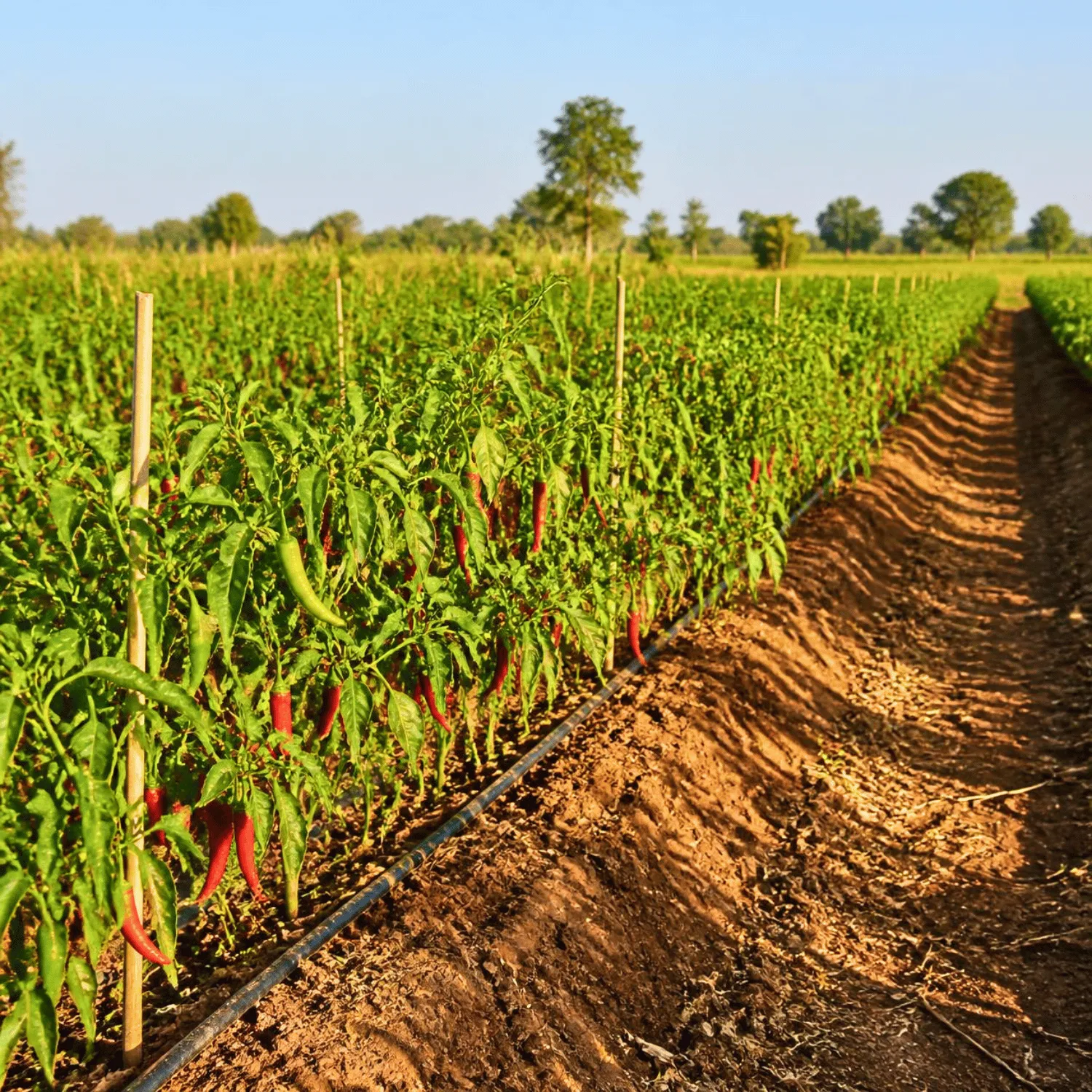
Atarodo plants are rugged, branching bushes that can stay productive for one to two years under drip irrigation and balanced soil feeding. A single well-managed acre can produce multiple tons of fresh peppers over a prolonged harvesting cycle.
The thick walls of hybrid habanero fruits resist mechanical damage and rotting during long-distance road transportation from rural farms to city wholesale markets. This strong skin reduces post-harvest losses significantly.
How Profitable is Cayenne Pepper (Shombo or Sombo) Production?
Cayenne pepper, popularly called Shombo or Sombo in Nigeria, is a long, slender, deep-red chili pepper known for its bright color and mild heat. It is widely purchased by processing factories, restaurants, and homes for making rich, red stew bases and dried chili powders.
You can plant certified varieties like Kuch Shombor Pepper to achieve rapid crop maturity within 60 to 75 days after transplanting. Its fast growth cycle allows farmers to complete three to four cropping cycles every single year.
Shombo has strong natural resistance to common field viral infections and performs exceptionally well across both Northern open fields and Southern loamy soils. The plants produce high numbers of elongated pods per branch.
Surplus Shombo fruits can be easily sun-dried or machine-dehydrated into dry chili without losing pungency or flavor. This simple processing option protects farmers from dropping their prices during sudden market gluts.
What Makes Sweet Bell Pepper (Tatase) a High-Value Cash Crop?
Sweet Bell Pepper, traditionally called Tatase in Nigerian markets, produces large, blocky, thick-walled fruits that add sweet flavor, thick body, and bright red color to stews. Because true Tatase is not intensely hot, it is used in large quantities by households, hotels, and fast-food eateries.
Commercial growers achieve exceptional blocky shapes and heavy yields using premium hybrid seeds such as Sweet Red Bell Pepper Radjot RZ F1 for deep red harvests, or East-West Kaveri F1 Sweet Bell Pepper for superior field vigor.
Farmers seeking classic open-pollinated blocky varieties can also cultivate Sweet Pepper California Wonder for strong performance in rich, well-drained loamy soils. These heavy bell peppers command top prices per kilogram in modern supermarkets and organized food chains.
Sweet bell peppers require consistent soil moisture and high calcium levels to prevent fruit splitting and blossom end rot. Growing them under protective netting or open fields with drip lines guarantees clean, blemish-free pods that sell out fast.
How Do You Prepare the Nursery and Transplant Pepper Seedlings Correctly?
Raising healthy seedlings in a protected nursery is the foundation of a successful, high-yielding pepper harvest. Weak, diseased, or stunted seedlings will never produce maximum fruit yields even if you apply expensive fertilizers on the open field later. Investing time and care into seedling production pays off with vigorous plants that resist field diseases easily.
A proper nursery environment protects baby pepper sprouts from burning sun, torrential rainfall, and destructive insect vectors. Follow these step-by-step methods to grow strong pepper seedlings that transition smoothly to the open field.
How Do You Prepare and Disinfect the Nursery Soil Bed?
To prepare nursery soil, mix equal parts of rich topsoil with well-cured compost or poultry manure until the texture is loose, dark, and crumbly. The soil must drain excess water quickly while holding enough moisture around tiny baby roots.
Disinfect your nursery soil beds using heat treatment by burning dry farm trash and grasses over the bed surface to kill hidden fungi, weed seeds, and nematodes. Alternatively, fumigate the wet bed using approved soil fumigants like Vapam at one liter per twenty liters of water, then seal the bed with plastic sheets for nine days.
If using plastic seedling trays, fill each cell with sterile coco peat or peat moss media to give every plant its own root space. Tray propagation prevents root tearing when seedlings are lifted for transplanting.
Level the surface of your seedbed smoothly to prevent water from pooling in low spots during irrigation. Smooth beds ensure even seed emergence across the entire nursery area within five to ten days.
What is the Correct Nursery Watering and Hardening-Off Routine?
Water your nursery beds or seedling trays gently every morning before the sun gets hot using a fine rose watering can or mist sprayer. Never flood the nursery bed with heavy water jets because heavy water splashes dislodge tiny seeds and expose fragile roots.
Build a sturdy overhead shade frame using wooden poles and palm fronds standing half a meter high to shield young sprouts from harsh afternoon sun and heavy raindrops. Good shade keeps the soil cool and moist.
Start the critical hardening-off process ten days before field transplanting by removing half of the overhead palm fronds to expose plants to direct sunlight. At the same time, gradually reduce your daily watering volume to toughen the plant stems.
Hardening builds strong, woody stems that can withstand open-field heat, wind, and dry weather without wilting. Unhardened, soft seedlings often collapse and die within twenty-four hours after transplanting.
What is the Best Spacing and Soil Placement for Field Transplanting?
Transplant your pepper seedlings to the main field when they are four to six weeks old and have developed four to six true green leaves. Always transplant during cool evening hours or on cloudy, overcast days to protect bare roots from drying out in hot sunshine.
Water the nursery beds heavily a few hours before lifting the seedlings to keep moist soil clinging to the roots and minimize root shock. Use a small hand trowel to lift seedlings gently without snapping their primary taproots.
Plant seedlings on raised beds using a standard spacing of 70 centimeters between rows and 50 centimeters between individual plants. This spacing provides enough room for branching while allowing sprayers and farm workers to walk freely without breaking fruit-laden stems.
Firm the surrounding topsoil gently around the base of each seedling to remove air pockets and establish direct root-to-soil contact. Water the newly transplanted field immediately to help plants settle into their new home.
How Do You Manage Fertilization, Pests, and Diseases to Protect Your Harvest?
Protecting your pepper farm requires a balanced feeding routine paired with strict, proactive pest and disease control from day one. Pepper plants are heavy feeders that need continuous macro and micronutrients to produce abundant flowers and firm, thick-walled fruits. Waiting until plants show yellow leaves or pest damage before taking action will reduce your total harvest.
Combining good crop hygiene with balanced fertilizers keeps your plants strong, healthy, and naturally resilient against seasonal farm stresses. Follow these proven agronomic practices to protect your field and ensure continuous weekly pickings.
What is the Ideal Fertilizer Schedule for Pepper Plants?
Apply a basal fertilizer rich in phosphorus, such as Single Super Phosphate (SSP) or Diammonium Phosphate (DAP), into the soil during final bed preparation before transplanting. Phosphorus acts like bone-builder food, stimulating deep, powerful root networks that anchor the pepper bush firmly.
Two weeks after transplanting, apply balanced NPK 15:15:15 at the rate of one matchbox full per two plants to drive rapid leaf, stem, and branch growth. Place the fertilizer inside a shallow groove four to seven centimeters away from the plant stem and cover lightly with soil.
Switch to a high-potassium fertilizer such as NPK 12:12:17 or Potassium Nitrate when the plants reach 50% flowering. Potassium acts like fruit-builder food, directing plant energy into producing large numbers of heavy, thick-skinned pepper pods.
Apply Calcium Nitrate sprays or soil drenches throughout the flowering and fruiting cycles to supply vital calcium to developing fruits. Calcium strengthens cell walls and completely prevents blossom end rot, which causes black, sunken rotten spots on pepper bottoms.
How Do You Prevent Whiteflies, Aphids, and Viral Diseases?
Preventing tiny piercing insects like whiteflies, aphids, and thrips is essential because these pests carry incurable viral diseases like Pepper Leaf Curl and Mosaic Virus. Once a pepper plant catches a viral disease, its leaves crinkle, growth stops completely, and it will never bear marketable fruits again.
Scout the undersides of young pepper leaves every morning to spot early insect colonies before they multiply into destructive swarms. Set up bright yellow sticky traps across the field to catch and monitor flying insect populations naturally.
Spray systemic insecticides containing active ingredients like Acetamiprid, Imidacloprid, or Lambda-Cyhalothrin every seven to ten days to eliminate insect vectors completely. Always rotate chemical classes to prevent insects from developing resistance against your sprays.
If you spot a plant showing severe stunted growth, pale yellow mottling, or inward leaf curling, uproot it immediately, carry it away from the farm, and burn it. Never leave infected plants in the field because insects will spread the incurable virus to healthy neighboring stands.
What Are the Best Spraying Practices for Fungal and Bacterial Diseases?
Apply preventative broad-spectrum fungicides containing Mancozeb, Copper Hydroxide, or Metalaxyl every seven to fourteen days, especially during humid, wet rainy periods. High moisture and warm air create the perfect conditions for anthracnose fruit rot and damping-off fungi to destroy your crops.
Ensure your spray nozzles coat both the upper surfaces and the undersides of all leaves where fungal spores hide and germinate. Spray early in the morning after dew dries, or late in the evening to prevent rapid chemical evaporation under hot sunlight.
Control destructive Bacterial Wilt by practicing strict crop rotation and never planting peppers on land where tomatoes, eggplants, or potatoes grew within the last three years. Solanaceous crops share the same soil pathogens, which build up heavily over continuous cropping seasons.
Drench the base of plants with certified bio-fungicides or copper-based compounds at the first sign of fungal root stress. Keeping your farm beds free of rotting fruit waste and fallen leaves stops disease organisms from overwintering in your topsoil. You can also consult our agronomists via our agricultural consultancy services for customized field plans.
Frequently Asked Questions About Pepper Farming in Nigeria
Pepper takes 3 to 4 months (90 to 120 days) to produce its first harvest from seed. The seeds spend 4 to 6 weeks in the nursery, followed by 60 to 90 days of field growth before fruit picking starts.
Yes, you can plant pepper during the dry season using drip irrigation, well water, or river pumping systems. Dry-season pepper farming is highly profitable because your harvest coincides with high market scarcity and premium prices between April and July.
With high-yield hybrid seeds and good drip irrigation practices, an acre of pepper in Nigeria can yield 3 to 6 tonnes of fresh pepper fruits. Traditional open-pollinated farming with poor practices often yields less than 1 tonne per acre.
Pepper flowers drop due to high heat stress above 35°C, excessive dry soil, over-application of nitrogen fertilizers, or thrips attacking the blossom heads. Maintaining consistent soil moisture and spraying micronutrient foliar feeds stops blossom drop.
The best fertilizer for fruiting pepper is a high-potassium formula like NPK 12:12:17 combined with Calcium Nitrate. Potassium expands fruit size and pungency, while calcium strengthens fruit walls against rotting and cracking.
Stop pepper leaf curl by controlling whiteflies and aphids with systemic insecticides like Acetamiprid or Imidacloprid. Leaf curl is caused by viruses carried by these tiny insects, so killing the vectors stops the disease from spreading.
Ready to Maximize Your Pepper Yield and Profits?
Planting pepper at the right time transforms farming into a highly lucrative commercial venture. Secure your farm inputs directly from Nigeria’s trusted online marketplace.
Shop Verified Farm Inputs TodayLearn more about HTS Farms and our mission to support Nigerian growers, or reach out directly through our customer support channel for help setting up your commercial pepper project.
References & Agronomic Sources
- Cropple AI. Peppers Planting Calendar for Nigeria. cropple.ai
- Veggie Concept. (2021). What is the Best Month to Plant Pepper in Nigeria?. veggieconcept.ng
- Veggie Grow. Pepper Farming in Nigeria: Complete Guide. veggiegrow.ng
- Agriculture Nigeria. Pepper Production in Nigeria. agriculturenigeria.com
- Information and Communication Support for Agricultural Growth in Nigeria (ICS-Nigeria) & IITA. Commercial Crop Production Guide Series: Growing Pepper in Nigeria. cgspace.cgiar.org