

- Northern Nigeria Window: Plant rain-fed beans strictly between late July and August to ensure the crop gets 30 days of rain before moisture stops in October.
- Southern Nigeria Seasons: Early planting starts from March to April, while the main rain-fed planting happens from June to July in well-drained soils.
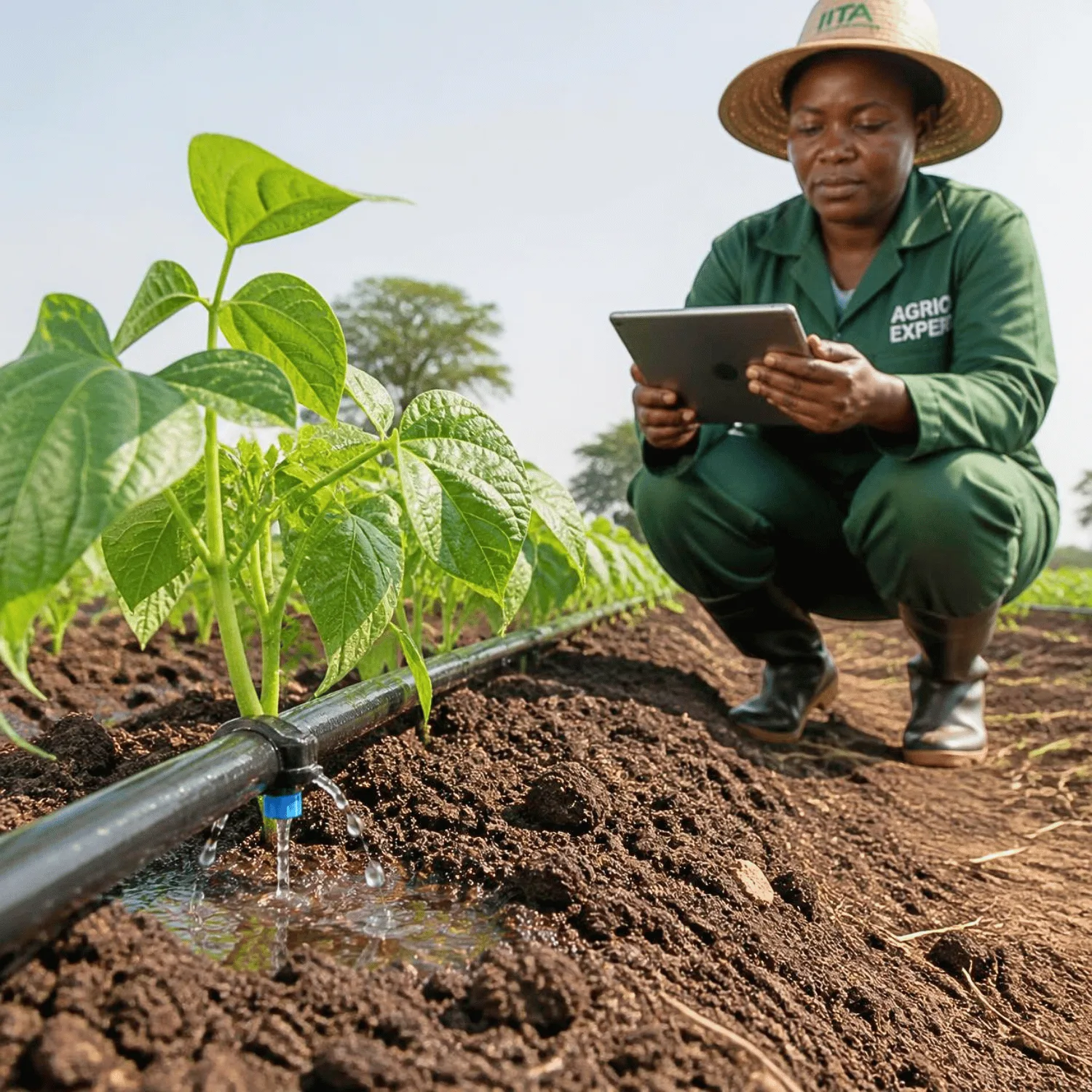
- Dry Season Opportunity: Beans grow off-season from October to February with drip irrigation if pests are controlled early.
- Yield & Input Ratios: Target a soil pH of 6.0 to 7.0, sow 20–25 kg of seeds per acre, and apply starter NPK fertilizer early.
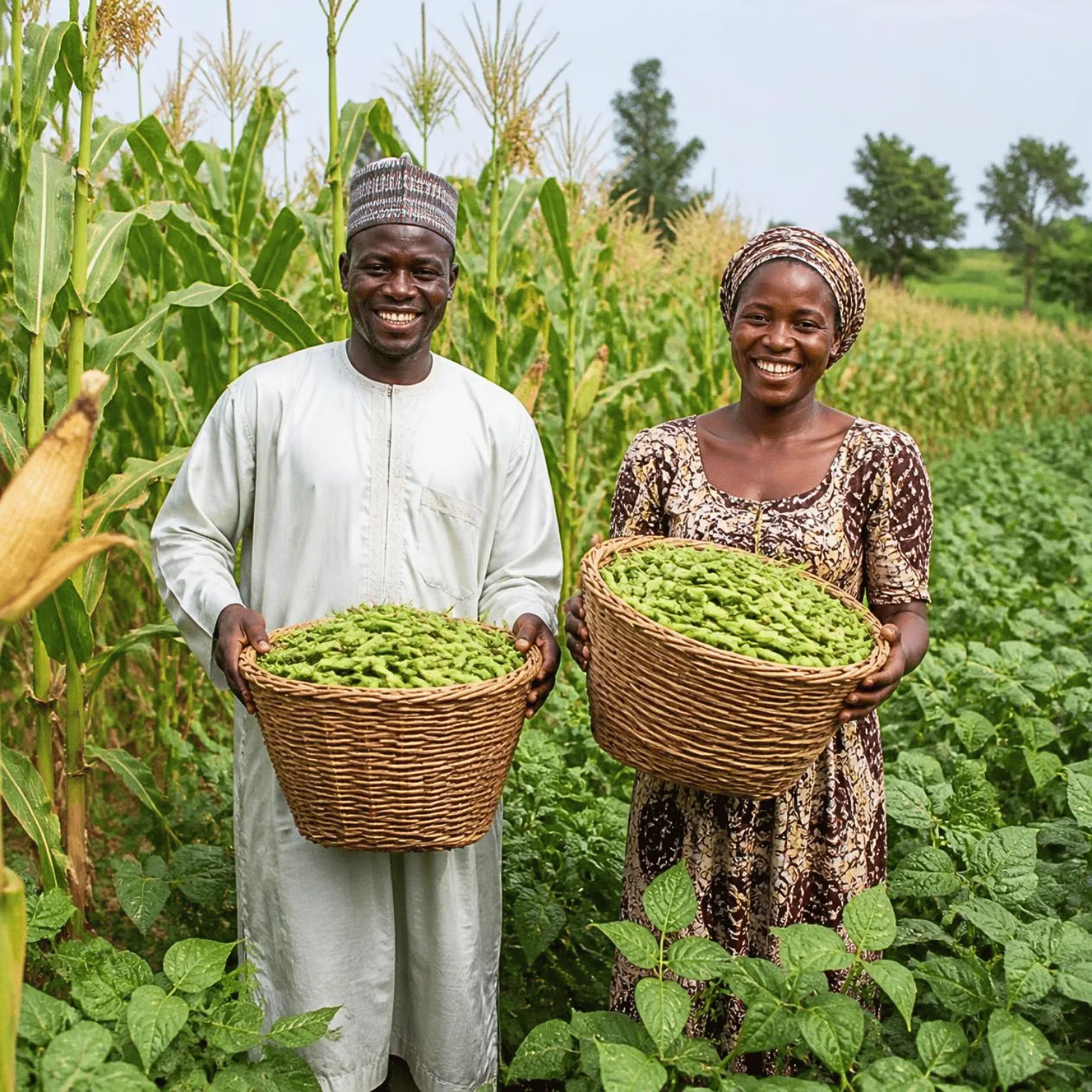
- Smart Intercropping: Combine maize and beans in August to optimize farm space and improve soil nitrogen naturally.
Recommended seed rate per acre for optimal spacing and high yield.
Total rain-fed cycle needed from seed sowing to complete dry harvest.
Slightly acidic, well-drained soil prevents root rot and nitrogen loss.
Timing is the single most critical factor determining the success or total failure of bean farming in Nigeria. Plant too early in heavy southern downpours, and shallow root systems rot; plant too late in northern regions, and early rain cessation starves plants during the critical pod-filling stage. Getting high bean yields requires matching seed variety traits to precise regional weather patterns and soil moisture levels.
Whether you operate in the dry northern savannahs or the wet southern belts, establishing a clear agricultural timeline helps you avoid common pest explosions and waterlogging risks. Access verified seed varieties and irrigation tools directly on the HTS Farms Shop to prepare your land for the upcoming cycle.
When Is the Best Month to Plant Beans in Northern Nigeria?
In Northern Nigeria, August is the most reliable month to plant rain-fed beans. The northern region experiences a shorter rainy season that frequently shuts down by mid-to-late October. Because standard cowpea varieties require 75 to 90 days to reach full harvest maturity, planting in August guarantees that crops receive the vital 30 days of heavy continuous rainfall needed for germination, root establishment, and early flowering before soil moisture vanishes.
Farmers who attempt late planting in mid-to-late September face massive crop failures. Even if early September rain appears abundant, sudden water cessation in October leaves immature plants without the late-stage moisture needed to fill pods. Understanding this firm climatic deadline prevents severe financial losses and ensures stable grain production across northern farming communities.
Why Planting Beans in August Guarantees Success in the North
August planting aligns perfectly with the peak moisture period of the northern rain cycle. Beans need consistent water for the first 30 days to build deep root structures and healthy green leaves.
When seeds enter the ground in early-to-mid August, the natural rainfall in August and September carries the crop directly through its flowering phase. By the time the rains stop in October, the plants have already established full pods and require only dry weather to mature safely.
What Happens to Bean Seeds Planted in Late September?
Planting beans in late September is a high-risk gamble that usually ends in complete crop loss. While farmers may be tempted by late September rains, those rains disappear rapidly by October.
Bean pods that lack water during late October and November stop filling, resulting in shriveled, unusable seeds. Furthermore, late-planted fields become prime targets for migrating pest populations seeking the last green vegetation in the region.
How Intercropping Beans with Maize Protects Northern Farm Yields
Intercropping is a smart land-use method where farmers plant maize first in June and follow with beans in August. This dual-cropping system optimizes space and provides double harvest returns from a single field.
The taller maize stalks shield young bean plants from harsh surface winds while the beans fix nitrogen into the ground to feed the soil. Once the maize is harvested, the beans take full advantage of September rainfall to finalize their growth cycle.
What Is the Ideal Bean Planting Schedule for Southern and Central Nigeria?
Southern and Central Nigeria benefit from an extended rainy season, opening up two separate planting windows: early March to April and late June to July. The early window relies on initial rains to establish fast-growing varieties, while the mid-year window takes advantage of sustained moisture. However, high total rainfall in these belts introduces severe risks of root saturation, requiring strategic timing to prevent root loss.
Excess water is just as destructive to bean plants as extended drought. Because cowpeas possess shallow root systems, waterlogged soil deprives roots of oxygen, leading to rapid rotting and nitrogen deficiency. Selecting well-drained farmland and timing seed sowing away from peak torrential downpours protects crops from destructive field rot.
How Early Rains from March to May Boost Southern Seed Germination
The early rains from March to May provide warm ground temperatures and soft moisture that promote rapid seed germination. Soil conditions during these early months encourage fast taproot extension without drowning the seed.
Farmers in southern states can achieve rapid crop establishment during this window, provided fields feature gentle slopes or drainage channels. Early harvests from this cycle often fetch high market prices due to early season grain demand.
How to Stop June Heavy Rains from Rotting Shallow Bean Roots
June brings the heaviest downpours in Southern Nigeria, creating dangerous conditions for delicate bean root systems. Excessive field water starves shallow roots of oxygen, causing leaves to turn yellow and roots to decay.
To protect crops, farmers must construct raised ridges or field drainage ditches to channel standing water away from plant bases. Alternatively, planting can be delayed until late July when heavy rains begin to stabilize into steady patterns.
Why Soil Drainage Prevents Nitrogen Deficiency in Saturated Fields
When farmland stays waterlogged for multiple days, useful soil microbes die, preventing the bean plant from fixing its own nitrogen naturally. This saturation stress causes crop leaves to pale and growth to stall completely.
Maintaining well-drained, slightly acidic soil with a pH of 6.0 to 7.0 prevents water buildup around the root zone. Applying well-composted organic manure, such as dry chicken droppings, helps restore soil structure and boosts nitrogen availability after heavy downpours.
Can You Successfully Plant and Grow Beans During the Dry Season?
Yes, beans can be grown successfully during the dry season between October and February by utilizing artificial irrigation systems. Off-season cultivation avoids the destructive pod-rot issues caused by excessive wet-season rains and allows farmers to time their harvest for periods of low market supply and peak grain prices. However, dry season production relies entirely on consistent water management and strict pest control.
Irrigation removes reliance on natural rainfall, but it requires diligent monitoring of soil moisture and insect activity. Dry, warm weather accelerates the breeding cycles of harmful insects, making regular scouting and field maintenance mandatory for off-season operations.
How Drip Irrigation Systems Keep Dry Season Beans Thriving
Drip irrigation is the most efficient method for watering beans during the dry season because it delivers moisture directly to root zones without wetting the upper leaves. Keeping foliage dry reduces the risk of fungal diseases while conserving precious water reserves.
Farmers can inspect professional drip irrigation setups and water distribution tools on the HTS Farms Shop to build efficient off-season watering systems. Precise water delivery ensures uniform flowering and steady pod production throughout dry periods.
Why Pest Attacks Spike During January Dry Season Bean Farming
The dry, warm atmosphere of January creates perfect conditions for rapid insect multiplication, particularly whiteflies, thrips, and pod borers. With fewer wild green plants available, insects swarm concentrated, irrigated bean fields in high numbers.
These pests transmit sap-sucking viral diseases that stun plant growth and destroy flowers before pods form. Off-season farmers must implement strict crop protection schedules, spraying organic or approved pest controls early in the infestation cycle.
How Organic Soil Amendments Support Off-Season Seed Growth
Dry soils often lack the active organic balance present during wet months, making pre-planting soil preparation vital for irrigation farming. Integrating well-rotted animal manure improves the soil's capacity to retain moisture between watering intervals.
Applying organic amendments enriches soil structure, encouraging deep root systems that extract water efficiently. Healthy, organic-rich soil buffers roots against heat stress and provides steady nutrients throughout the dry season.
How Can You Make Beans Grow Faster and Yield More Per Acre?
Maximizing bean yields requires combining precise seed rates, correct spacing, strategic fertilization, and proper companion planting. Standard bean production requires approximately 20 to 25 kilograms of high-germination seeds per acre to achieve optimal plant populations without overcrowding. Proper spacing allows sunlight penetration and airflow, which naturally reduces fungal disease risks across the field.
Accelerating crop growth also depends on timing fertilizer applications to match the plant's biological needs. Avoiding aggressive plant neighbors that compete for soil nutrients ensures bean crops develop strong stems, uniform flowering, and full pod structures.
How Many Kilograms of Beans Should You Plant Per Acre?
An acre of farmland requires roughly 20 to 25 kilograms of quality bean seeds when using standard planting distances of 20 cm between plants and 75 cm between rows. Correct seeding density prevents over-crowding, which starves individual plants of light and soil nutrients.
Sowing seeds at a shallow depth of 2 to 4 centimeters ensures rapid, uniform seedling emergence within 4 to 7 days. Farmers can consult HTS Farms Consultancy Services for precise seed rate calculations based on specific variety specifications.
When Should You Apply NPK Fertilizer to Growing Bean Plants?
NPK fertilizer should be applied as a starter dose at planting or within the first 14 days after emergence using a low-nitrogen blend like NPK 15-15-15. Because beans are legumes that fix their own nitrogen after root nodules mature, heavy late applications of nitrogen cause excess leaf growth while reducing pod formation.
Applying a small initial phosphorus-rich starter boost encourages deep root development and early flower initiation. Once the crop establishes firm growth, avoid adding excess synthetic nitrogen and rely on organic maintenance or foliar micronutrients.
Which Plants Should Never Be Grown Near Your Bean Crops?
Beans should never be planted near allium family crops, including onions, garlic, shallots, and chives. Allium species release natural chemical compounds through their roots that stunt bean growth and disrupt beneficial soil bacteria responsible for nitrogen fixation.
Additionally, avoid planting beans close to heavy nutrient feeders like sunflowers or tall, dense crops that cast heavy shade over shallow bean leaves. Instead, pair beans with compatible crops like maize, sorghum, or cucumber for balanced field ecosystems.
Frequently Asked Questions
August is the single best month to plant rain-fed beans in Northern Nigeria because it allows the required 30 days of continuous rain before October dryness begins.
No, planting beans in late September is extremely risky in Katsina or Kano because rainfall typically stops in October, leaving immature pods without water to mature.
Most standard bean varieties grown in Nigeria require 75 to 90 days from planting to reach full harvest maturity.
You need approximately 20 to 25 kilograms of viable bean seeds to properly plant one acre of farmland using standard spacing.
Bean leaves turn yellow after heavy rain because saturated, waterlogged soil starves shallow roots of oxygen and stops natural nitrogen fixation.
Yes, beans grow very well during the dry season between October and February when supplied with steady drip irrigation and proactive pest control.
Low-nitrogen NPK blends applied at planting, combined with organic manure like well-dried chicken droppings, provide ideal balance for bean growth.
Achieving profitable bean yields in Nigeria comes down to mastering regional planting calendars and protecting crops against soil moisture extremes. Northern growers must strictly respect the August planting window to capture critical rainfall before early October dry spells, while southern farmers must focus on land drainage to prevent saturated roots during peak downpours. By matching high-yielding seed varieties with proper field spacing, drip irrigation, and balanced fertilizer timing, you build a resilient farm operation capable of maximum grain production in any season.
Learn more about our core mission to support Nigerian growers on our HTS Farms About Us page, or reach out directly through HTS Farms Contact Us for specialized support.
Ready to Maximize Your Bean Harvest?
Acquire certified seed stock, high-performance drip irrigation kits, and organic soil amendments delivered directly to your farm.
Shop Verified Farm Inputs Now