Customer matched zone "Locations not covered by your other zones"
“Automatic Debeaker (Electric Beak Trimming Machine)” has been added to your cart. View cart
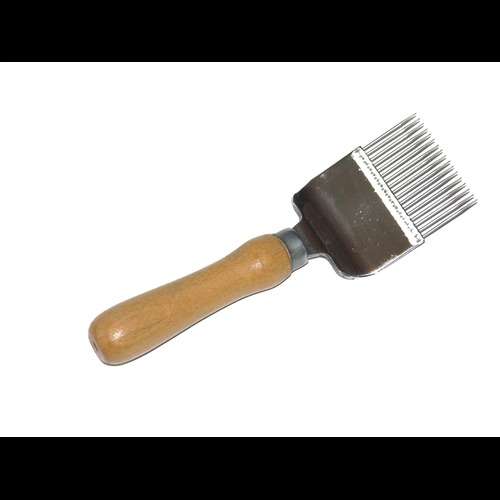
Uncapping Fork
SKU:
HTSHTSUF0000024
₦15,900.00
Uncapping Fork is an essential tool for beekeepers during the honey extraction process, providing a simple and efficient method for removing wax cappings from honeycomb frames while preserving the integrity of the honeycomb for reuse by the bees.
Why customers choose us
- Satisfaction Guaranteed
- Fast delivery
- Secure Payments
- 24/7 Customer assistance
Other people want this. 12 people have this in their carts right now.
An Uncapping Fork is a specialized tool used in beekeeping for removing wax cappings from honeycomb frames during the honey extraction process.
Design:
- It typically consists of a handle attached to a fork-like head.
- The head of the fork is fitted with tines or prongs that are used to puncture and lift the wax cappings from the honeycomb cells.
Handle Design:
- The handle of an uncapping fork is designed for comfort and ease of use during prolonged uncapping sessions.
- It may be ergonomically shaped and textured to provide a secure grip and prevent slippage, even when hands are sticky from honey.
Uses of Uncapping Fork:
- The primary use of an uncapping fork is to remove the wax cappings from honeycomb frames.
- It can be used to harvest beeswax.
- It allows beekeepers to selectively uncap specific cells or areas of the honeycomb.
- Beekeepers use uncapping forks for radial uncapping, which uncaps the entire surface of honeycomb frames in a radial pattern.
- Uncapping forks can also be used for targeted uncapping, where only certain cells or sections of the honeycomb are uncapped.
- It helps preserve the integrity of the honeycomb frames by allowing for precise and controlled removal of the wax cappings.
- It facilitate the extraction of honey from the honeycomb frames.
It is an essential tool for beekeepers during the honey extraction process, enabling them to efficiently and effectively remove wax cappings from honeycomb frames while preserving the integrity of the honeycomb for reuse by the bees.
Additional information
| Weight | 10 kg |
|---|
Be the first to review “Uncapping Fork” Cancel reply
Related products
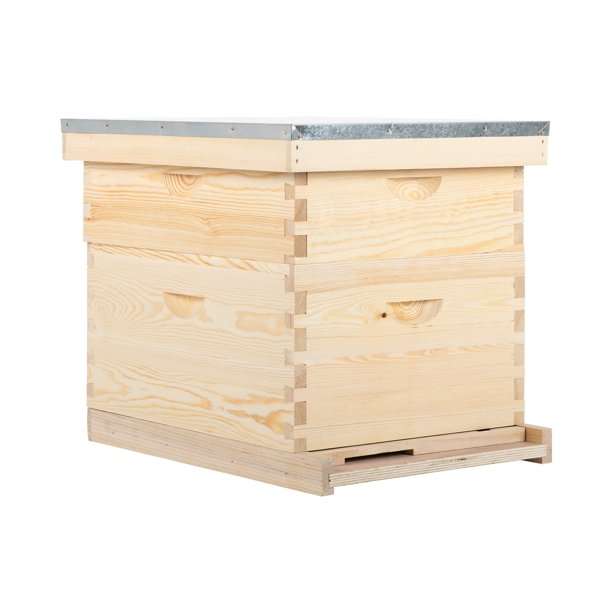
Langstroth Bee Hive | 10 Frames is any vertically modular beehive that has the key features of vertically hung frames, a bottom board with entrance for the bees, boxes containing frames for brood and honey (the lowest box for the queen to lay eggs, and boxes above where honey may be stored) and an inner cover and top cap to provide weather protection
- Anti-rust
- Easy to clean
- Suitable for variety of uses
- Stainless Steel Top Cover Lid
- Safe and convenient storage for longer period
- Controllable Valve for Easy Bottling into Smaller Jars
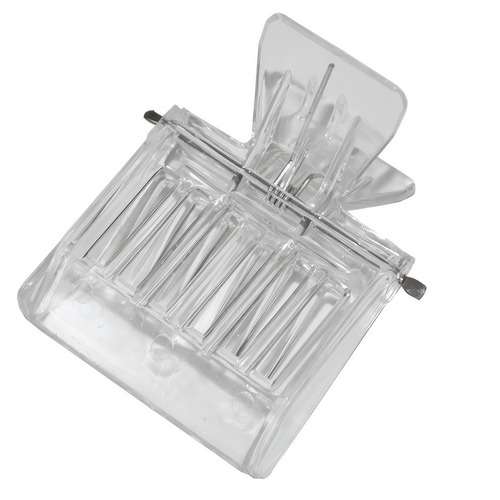
Queen catchers are small devices that consist of a plastic frame with a mesh or grid that allows worker bees to pass through while trapping the queen. Some queen catchers have a sliding door mechanism or plug that can be used to secure the queen inside the catcher once she's been captured.
Adequate ventilation is essential when using a queen catcher to ensure the queen remains healthy and comfortable while confined. Some plastic queen catchers are designed with ventilation holes or mesh to allow airflow and prevent overheating.
The primary purpose of a single horsetail bee brush is to gently remove bees from hive components during inspections or maintenance tasks. This helps beekeepers work more efficiently and reduces the risk of accidentally crushing or injuring bees.
A single horsetail bee brush typically consists of a handle made of wood, plastic, or metal, with soft, fine bristles made from horsehair or synthetic materials. The bristles are arranged in a single row along the head of the brush.
A single horsetail bee brush is a soft-bristled brush that can be used to gently, and harmlessly, remove bees from a surface. When used properly, a bee brush will not injure bees.
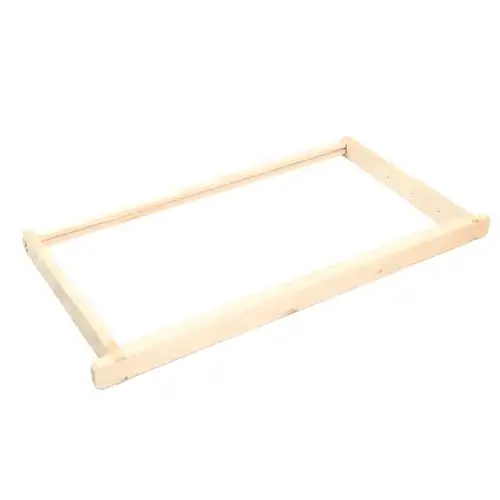
Some beekeepers choose to treat their white pine wood frames with a wood preservative or paint to ensure longevity and resistance to decay.
Regular inspection and maintenance of frames are essential for beekeepers to ensure the structural integrity of the hive. Frames may need to be replaced periodically due to wear and tear or damage from pests and diseases.
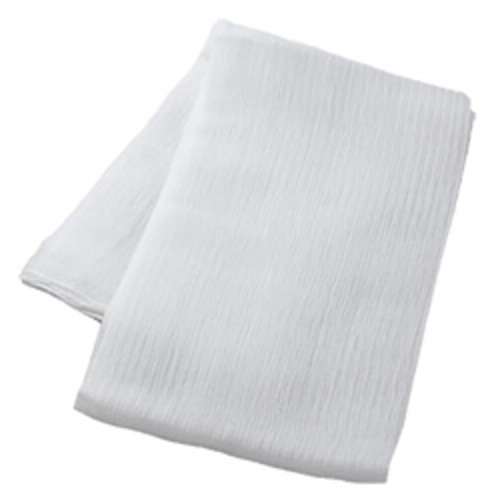
Cheesecloth is available in various grades or levels of thickness, with finer weaves used for straining liquids and coarser weaves used for making cheese.


Reviews
There are no reviews yet.