Customer matched zone "Locations not covered by your other zones"
“20L Pail with Honey Gate” has been added to your cart. View cart
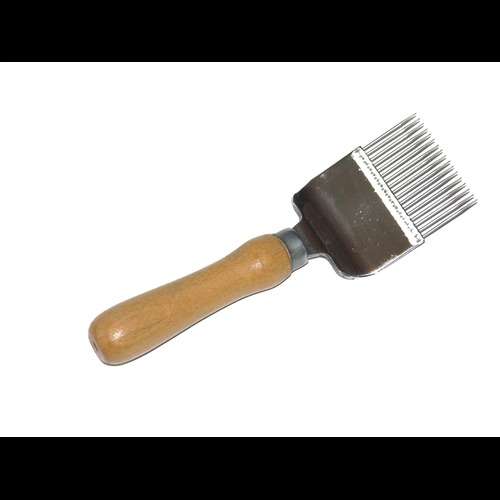
Uncapping Fork
SKU:
HTSHTSUF0000024
₦15,900.00
Uncapping Fork is an essential tool for beekeepers during the honey extraction process, providing a simple and efficient method for removing wax cappings from honeycomb frames while preserving the integrity of the honeycomb for reuse by the bees.
Why customers choose us
- Satisfaction Guaranteed
- Fast delivery
- Secure Payments
- 24/7 Customer assistance
Other people want this. 12 people have this in their carts right now.
An Uncapping Fork is a specialized tool used in beekeeping for removing wax cappings from honeycomb frames during the honey extraction process.
Design:
- It typically consists of a handle attached to a fork-like head.
- The head of the fork is fitted with tines or prongs that are used to puncture and lift the wax cappings from the honeycomb cells.
Handle Design:
- The handle of an uncapping fork is designed for comfort and ease of use during prolonged uncapping sessions.
- It may be ergonomically shaped and textured to provide a secure grip and prevent slippage, even when hands are sticky from honey.
Uses of Uncapping Fork:
- The primary use of an uncapping fork is to remove the wax cappings from honeycomb frames.
- It can be used to harvest beeswax.
- It allows beekeepers to selectively uncap specific cells or areas of the honeycomb.
- Beekeepers use uncapping forks for radial uncapping, which uncaps the entire surface of honeycomb frames in a radial pattern.
- Uncapping forks can also be used for targeted uncapping, where only certain cells or sections of the honeycomb are uncapped.
- It helps preserve the integrity of the honeycomb frames by allowing for precise and controlled removal of the wax cappings.
- It facilitate the extraction of honey from the honeycomb frames.
It is an essential tool for beekeepers during the honey extraction process, enabling them to efficiently and effectively remove wax cappings from honeycomb frames while preserving the integrity of the honeycomb for reuse by the bees.
Additional information
| Weight | 10 kg |
|---|
Be the first to review “Uncapping Fork” Cancel reply
Related products
Beekeeping Boot are an indispensable component of beekeeping equipment, providing beekeepers with essential protection and comfort while caring for their bees and managing their hives. Investing in high-quality beekeeping boots is a worthwhile investment for beekeepers of all experience levels.
Some beekeeping suppliers offer specialized boots designed specifically for beekeepers. These boots may have features such as reinforced toes or ankles for added protection, as well as anti-slip soles to provide stability on uneven terrain.
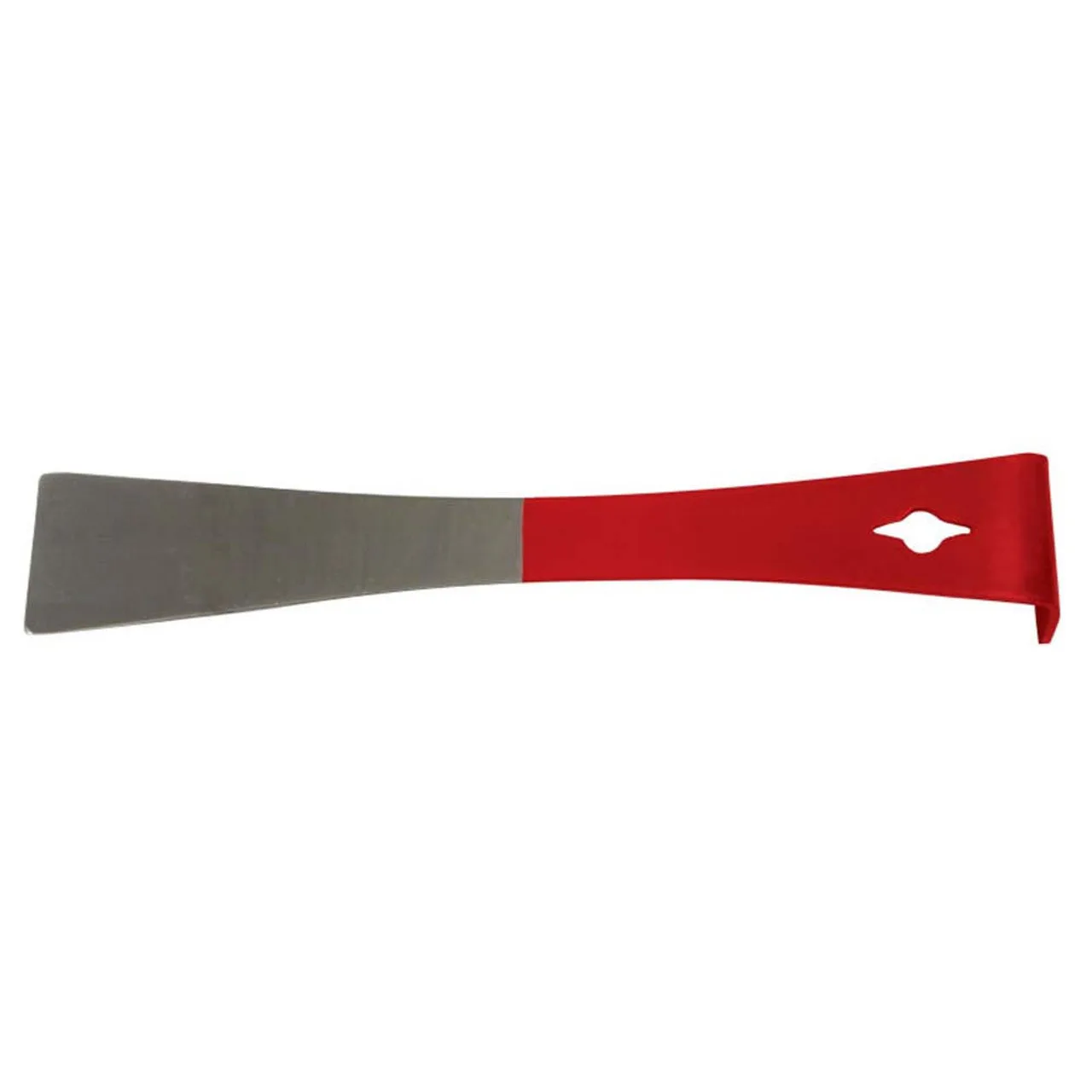
Honey Uncapping Knife is an essential tool for beekeepers during the honey extraction process, allowing them to efficiently and effectively remove wax cappings from honeycomb frames while preserving the integrity of the honeycomb for reuse.
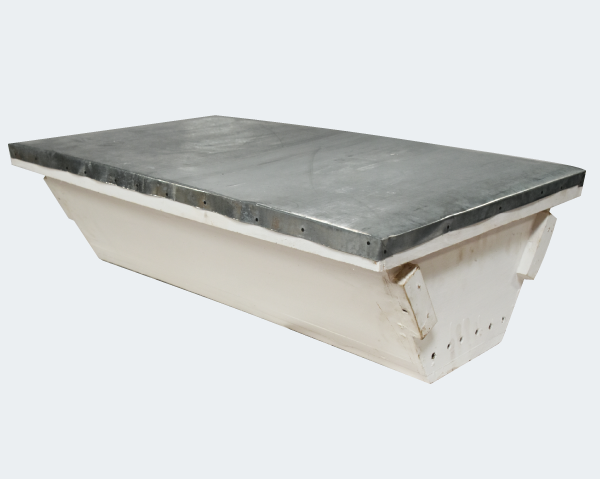
The Kenyan Top-Bar Hive is a variation of the horizontal top-bar Hive. The “Beekeeping Naturally” Kenyan top bar hive is thoughtfully designed and meticulously handcrafted to optimize the health of the honey bees and at the same time allowing the backyard natural beekeeper easy, low fuss maintenance of these amazing creatures.
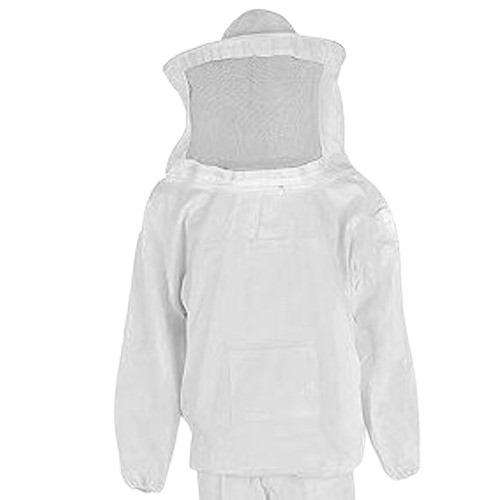
Beekeeping Hooded Jackets are essential protective gear for beekeepers, providing them with the necessary protection to work safely and comfortably around honeybees. When beekeepers need to work with beehive and be surrounded by bee swarms, our beekeeping jacket can effectively protect the upper part of the beekeeper's body from being stung by bees. We also have coverall bee suit for option.
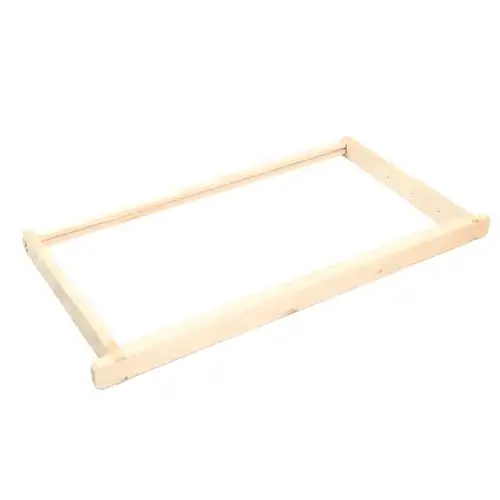
Some beekeepers choose to treat their white pine wood frames with a wood preservative or paint to ensure longevity and resistance to decay.
Regular inspection and maintenance of frames are essential for beekeepers to ensure the structural integrity of the hive. Frames may need to be replaced periodically due to wear and tear or damage from pests and diseases.


Reviews
There are no reviews yet.