

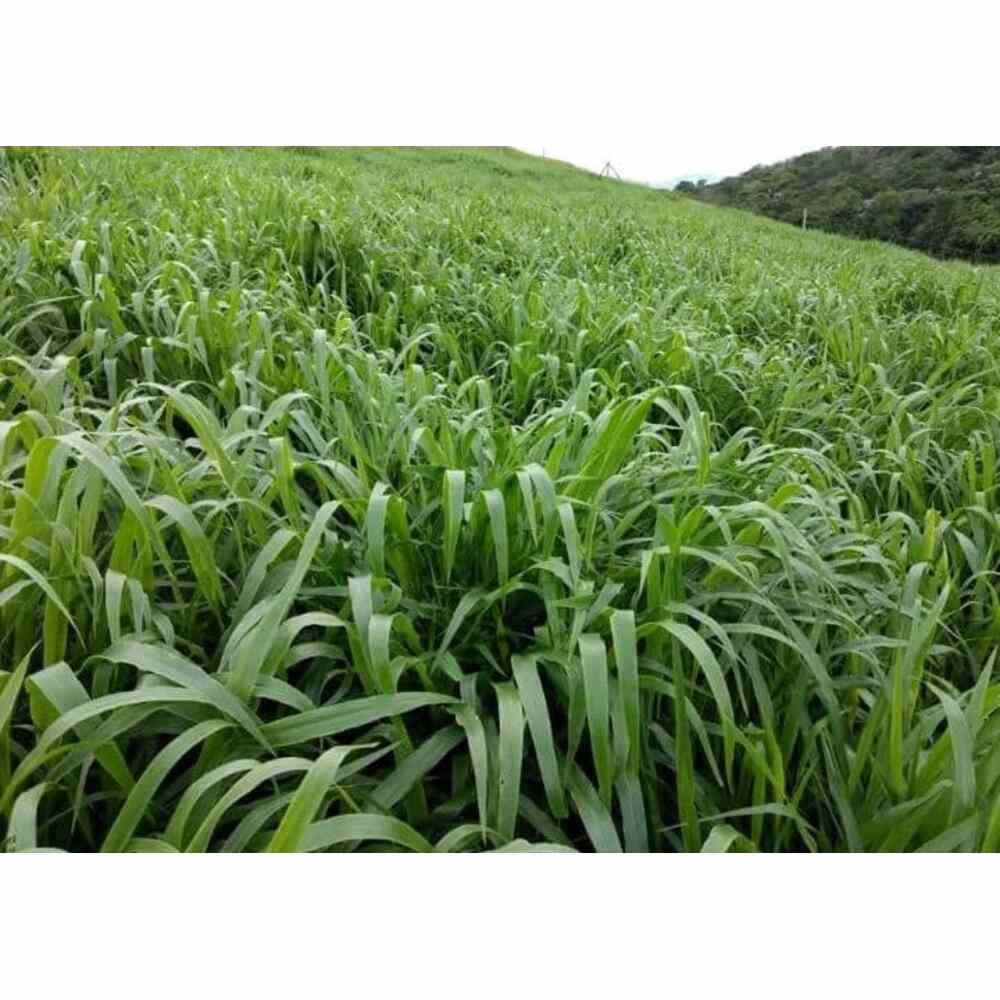
Brachiaria Mulato II (splits) Grass | Per Bag
Brachiaria Mulato II (splits) Grass | Per Bag is an improved tropical forage variety known for its high productivity, excellent nutritional quality, and drought tolerance. Supplied as splits (rooted cuttings), this grass is ideal for livestock farmers seeking sustainable, high-yielding pasture for cattle, goats, and sheep. It offers superior regrowth after grazing and performs well across various soil types and climatic conditions.
Why customers choose us
- Satisfaction Guaranteed
- Fast delivery
- Secure Payments
- 24/7 Customer assistance
Brachiaria Mulato II (splits) Grass | Per Bag is a high-yielding, hybrid forage grass specifically developed for tropical and subtropical regions. It is a sward-forming grass, meaning it grows in dense tufts, creating a thick, productive pasture. The term “splits” refers to the propagation method: it is sold as vegetative planting material (root divisions, tillers, or splits) instead of seeds. A “Per Bag” price means you are purchasing a specific weight or volume of these grass splits, ready for planting.
Features of Brachiaria Mulato II (splits) Grass | Per Bag:
- High protein content (12–15%) for better animal nutrition
- Deep-rooted and drought-tolerant
- Rapid regrowth after cutting or grazing
- Resistant to common pasture pests and diseases
- Suitable for both grazing and cut-and-carry systems
Specifications:
- Type: Forage grass (Splits / Rooted cuttings)
- Variety: Brachiaria Mulato II
- Packaging: Per bag
- Use: Livestock feed / Pasture establishment
- Growth Habit: Perennial, tufted grass
Applications:
- Ideal for establishing permanent pastures for dairy and beef cattle, goats, and sheep
- Suitable for hay and silage production
- Can be intercropped with legumes to enhance soil fertility
How to Plant and Maintain:
- Land Preparation: Clear and till the land to fine tilth.
- Planting: Plant splits 50 cm apart between rows and 30–40 cm within rows.
- Watering: Irrigate after planting and during dry spells for quick establishment.
- Fertilization: Apply organic manure or NPK fertilizer for enhanced growth.
- Management: Weed regularly and allow 6–8 weeks before first harvest.
Importance:
- Improves milk and meat production due to high nutritive value.
- Reduces feed costs by providing a sustainable source of green fodder.
- Enhances soil structure and prevents erosion.
- Increases farm productivity through better livestock performance.
Management for Optimal Production:
- Grazing Management: Practice rotational grazing. Do not graze below 15-20 cm in height to allow for rapid regrowth.
- Fertilization: For high productivity, apply nitrogen-based fertilizers after each grazing cycle.
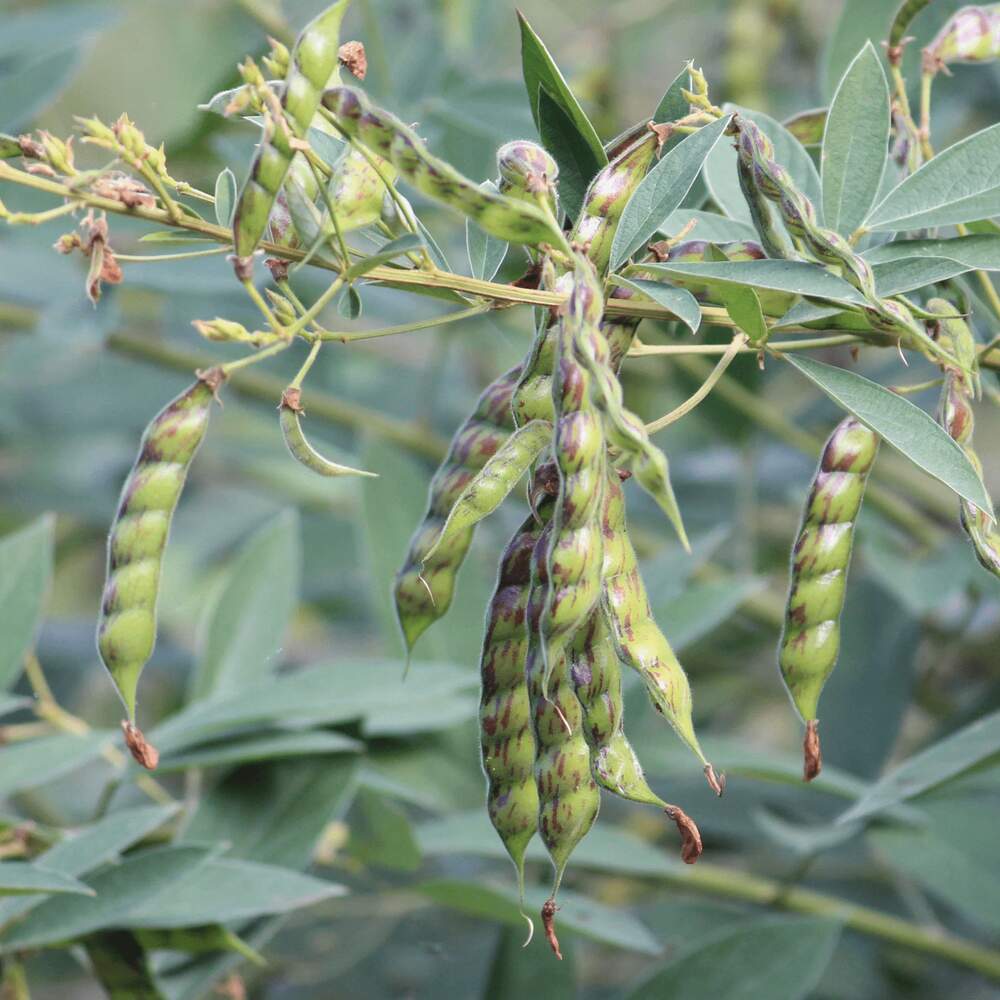
- Compatibility: Can be successfully intercropped with legumes like Stylosanthes or Pueraria to further improve soil fertility and forage quality.
Target Audience & Ideal Use:
- Dairy Farmers: For high-quality feed to boost milk production.
- Beef Farmers: For fattening steers and improving herd health.
- Goat & Sheep Farmers: Excellent forage for small ruminants.
- Cut-and-Carry Systems: Ideal for zero-grazing operations where grass is cut and carried to stalled animals.
Precautions:
- Avoid overgrazing to maintain regrowth potential
- Ensure good drainage to prevent waterlogging
- Keep young plants free from weeds for the first 4–6 weeks
Additional information
| Weight | 10 kg |
|---|

Reviews
There are no reviews yet.