Poultry and Livestock Management Equipment Nigeria

This is the ultimate guide to poultry housing, battery cages, feed milling systems, and cattle supplies tailored for the Nigerian market.

The Nigerian agricultural sector is currently at a pivotal turning point. In 2026, as the nation moves to bridge the gap between a growing population and a significant protein deficit, the shift from traditional, labor-intensive methods to modern mechanized farming is no longer just an advantage—it is a necessity for survival.

The Protein Demand vs. Supply Gap

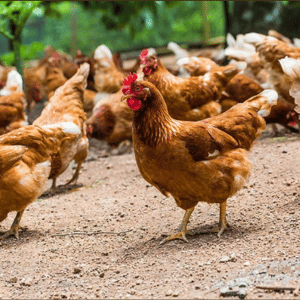
Nigeria currently possesses one of the largest chicken populations in Africa (estimated at over 800 million birds), yet consumption per capita remains significantly below the global average. This is not due to a lack of appetite, but a lack of infrastructure and efficient management systems. To meet the goal of increasing protein accessibility, the focus has shifted toward high-yield, technology-driven livestock management.

The Role of Mechanization in 2026

Modern farming in Nigeria is being redefined by four key factors:

  • Scale and Efficiency: Transitioning from “backyard” operations to commercial-scale poultry and cattle systems.

  • Cost Management: With feed accounting for nearly 70% of operational costs, investing in on-site milling and automatic feeding systems has become the primary strategy for maintaining profitability.

  • Disease Control: Enhanced housing and biosecurity equipment are reducing mortality rates, which historically have been a major barrier to investment.

  • Job Creation: The industry is emerging as a massive employer, with over 25 million Nigerians already participating in the poultry value chain alone.

What This Guide Covers

This comprehensive guide is designed to help Nigerian agribusiness owners, investors, and smallholder farmers navigate the complexities of specialized equipment. We will explore:

  1. Housing Solutions: Modern battery cages and brooder houses.

  2. Feeding Systems: Automated feeders and localized milling machinery.

  3. Livestock Management: Specialized supplies for cattle and dairy.

  4. Supply Chain: How to source wholesale equipment and partner with reliable distributors.

Whether you are looking for the current battery cage price in Nigeria or seeking to modernize your cattle management system, this page provides the technical and economic insights needed to build a resilient agricultural enterprise.

//

Nigeria currently possesses one of the largest chicken populations in Africa (estimated at over 800 million birds), yet consumption per capita remains significantly below the global average.

– HTS Farms

Poultry Housing & Battery Cage Systems

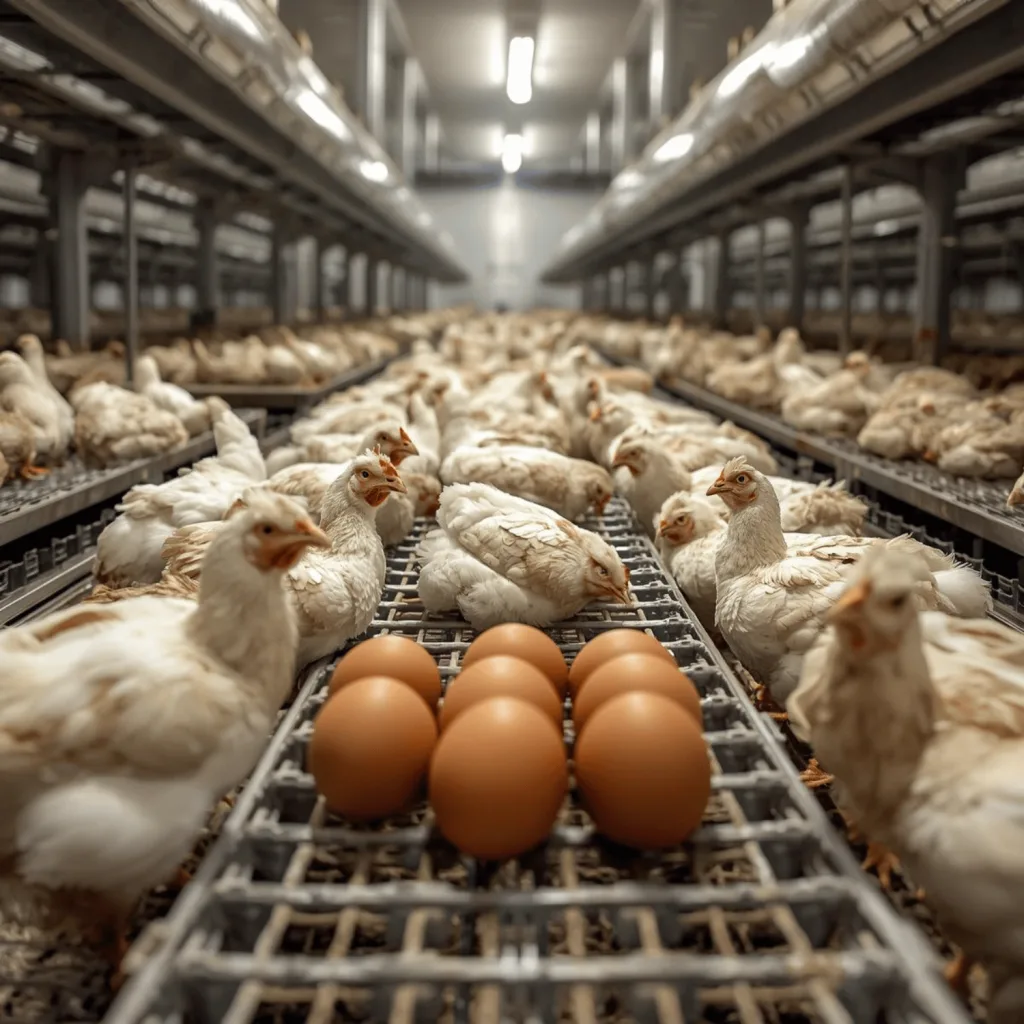
In the Nigerian poultry industry, housing is the single most important factor determining the health of your flock and the consistency of your egg production. For layer farming, the transition from floor-based (deep litter) systems to battery cages has become the gold standard for commercial viability.

Why Battery Cages?

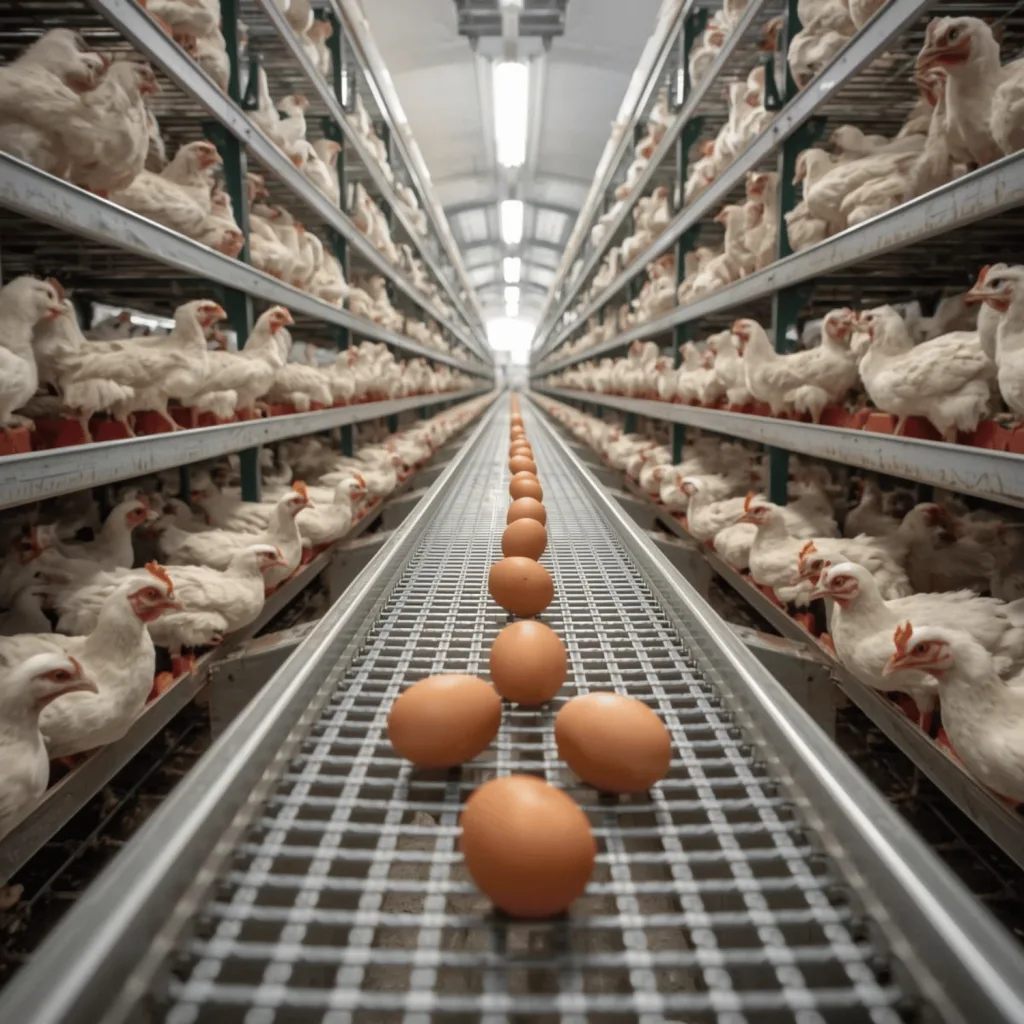
Battery cages are specialized housing systems designed primarily for egg-laying hens. By housing birds in tiered compartments, farmers can:

  • Maximize Space: House thousands of birds in a relatively small footprint using vertical tiers (3-tier or 4-tier).

  • Improve Hygiene: Droppings fall through the wire mesh, keeping birds away from waste and reducing the risk of coccidiosis and other soil-borne diseases.

  • Boost Egg Quality: Eggs roll out of the cage onto a collection tray immediately after being laid, preventing breakage and keeping them clean.

  • Streamline Feeding: Built-in troughs ensure all birds have equal access to feed, reducing competition and waste.

The Brooder House: Starting Strong

The journey doesn’t start in the layer cage. The brooder house is a specialized environment for Day-Old Chicks (DOCs).

  • Equipment Needed: Gas or electric brooders, infrared heat lamps, and specialized chick feeders.

  • Purpose: To provide the precise temperature (around 33°C to 35°C initially) and protection required during the critical first 4 weeks of a chick’s life before they are moved to grower or layer cages.

Key Terms to Know

  • Layers Cage: Specifically designed for egg production with a slanted floor for egg roll-out.

  • A-Type Cage: Shaped like the letter “A”; most common for small to medium-scale Nigerian farms due to natural ventilation.

  • H-Type Cage: Stacked vertically like an apartment block; requires mechanical ventilation and automated manure removal.


Feeding & Milling Systems

With feed accounting for approximately 70% of total production costs in Nigerian poultry farming, the difference between a profitable year and a loss often comes down to two things: reducing waste and controlling the supply chain.

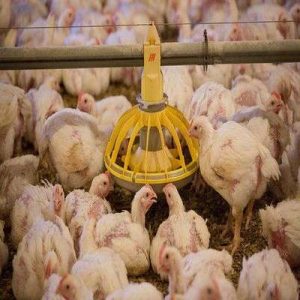
The Shift to Automatic Poultry Feeders

The adoption of automatic poultry feeding systems has accelerated across different states in Nigeria. Manual feeding is not only labor-intensive but also prone to high spillage, often wasting up to 15% of the feed.

Why Automated Systems are Winning:

  • Precision Delivery: Modern systems use auger-driven delivery to ensure every bird receives a uniform portion, leading to consistent growth across the flock.

  • Reduced Labor: One staff member can manage up to 10,000 birds with automation, compared to just 1,000 birds in manual setups.

  • Biosecurity: Automated hoppers and silos reduce human traffic inside the pens, significantly lowering the risk of introducing diseases.

On-Site Feed Production: The “Self-Milling” Advantage

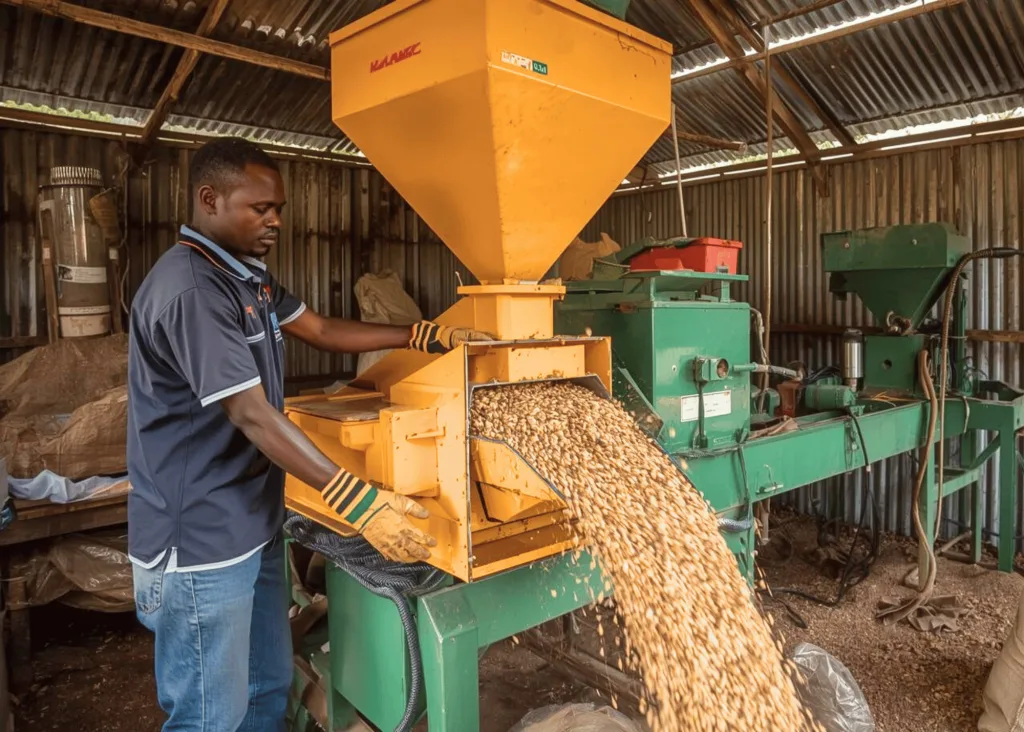
High-quality commercial feed prices fluctuate wildly due to grain scarcity. Many savvy Nigerian farmers are now investing in their own chicken feed milling machines to formulate “farm-gate” feed.

Benefits of Producing Your Own Feed:

  1. Cost Savings: Farmers typically save between 30% and 50% per 70kg bag by sourcing raw materials like maize, soybean, and cassava peels directly from the local market.

  2. Quality Control: You ensure your layers are getting the exact 16–18% crude protein required for peak egg production, avoiding “adulterated” commercial feeds.

  3. Revenue Stream: Small-scale mills often become poultry feed production companies for their local communities, selling surplus feed to neighbors.

Essential Feed Milling Machinery

To build a functional feed mill, you need three core components:

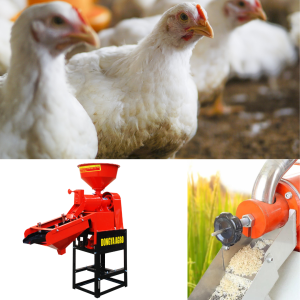
  • Hammer Mill (The Grinder): Crushes raw grains (maize, sorghum) into a fine mash.

    • Price Range: ₦950,000 – ₦1,500,000 for standard electric models.

  • Feed Mixer (The Blender): Ensures vitamins, minerals, and protein meals are distributed evenly. Horizontal mixers are preferred for commercial uniformity.

  • Pellet Machine (The Pelletizer): Transforms mash into compact pellets. Pelleted feed has a better Feed Conversion Ratio (FCR) because it prevents birds from “selective eating.”

    • Price Range: ₦1,200,000 – ₦4,500,000 depending on tonnage (e.g., 1 ton/hr vs 2 ton/hr).

Livestock & Cattle Supplies

While poultry dominates much of the conversation in Nigeria, the modernization of cattle ranching and dairy farming is rapidly gaining momentum. In 2026, the shift from nomadic herding to semi-intensive and intensive ranching has created a high demand for specialized cattle farming equipment and management systems.

Essential Cattle Handling & Dairy Equipment

To run a profitable cattle business in the current market, your infrastructure must prioritize animal safety and milk hygiene.

  • Handling Equipment: * Burdizzo Pliers: Used for bloodless castration to manage herd genetics and temperament. (Price: ~₦19,000 – ₦25,000).

    • Drenching Guns: Essential for the precise administration of dewormers and oral medications.

  • Modern Dairy Supplies: * Mobile Milking Machines: Replacing manual milking to ensure speed and hygiene. A single-bucket mobile unit currently retails for approximately ₦2,530,000.

    • Stainless Steel Milk Cans: 20L to 40L “Inox” buckets are the standard for preventing milk spoilage during transport. Prices range from ₦155,000 to ₦450,000 depending on capacity and locking mechanisms.

  • Identification Tools: Ear tags (available for cattle, goats, and pigs) are no longer optional for serious farmers; they are the foundation of record-keeping and traceability.

The Rise of Livestock Management Systems

The biggest hurdle for Nigerian cattle farmers has historically been a lack of data. In 2026, livestock management systems are solving this by moving farm records from paper to the cloud.

Key Features of Modern Management Software:

  • Health Tracking: Log vaccinations, treatments, and illness history for every individual animal.

  • Breeding Management: Track heat cycles and pregnancy stages to optimize calving rates.

  • Feed Formulation: Specialized software like the Livestocking Feed Formulator (LFF) helps farmers calculate the least-cost ration using local Nigerian ingredients like palm kernel cake and maize. (One-time licenses cost roughly ₦30,000 – ₦50,000).

Strategic Ranch Infrastructure

Investing in the right “cow equipment” also means managing the environment:

  • Shade Nets: Reducing heat stress for high-yield dairy breeds like the Friesian-Bunaji cross.

  • Fodder Choppers: Machines used to process silage and hay, ensuring cattle can easily digest fibrous materials during the dry season.

  • Water Bowsers: Large-capacity elliptical tanks used to provide consistent water access in remote ranching areas.


Wholesale & Distribution

As you scale your agricultural enterprise in 2026, the strategy shifts from individual purchases to wholesale sourcing. Establishing a relationship with a reliable livestock supply company can reduce your capital expenditure (CAPEX) by up to 20% through bulk discounts and integrated logistics.

How to Identify Reliable Poultry Equipment Suppliers In Nigeria

The Nigerian market is large, but not all suppliers are created equal. When sourcing poultry equipment in Nigeria, prioritize companies that offer “Turnkey Solutions”—meaning they handle everything from business planning and equipment delivery to installation and technical support.

Top Suppliers and Hubs in 2026:

  • HTS Farms (Online/Nationwide): The leading digital marketplace for verified agricultural inputs. Ideal for sourcing chicken supplies wholesale, ranging from nipple drinkers to solar-powered incubators.
  •  
  • Vanke Machinery (Lagos/Ibadan Expressway): Known for large-scale industrial cages and AI-managed automatic systems. They provide Chinese-engineered solutions with local installation teams.

  • Afrimash (Online/Nationwide): The leading digital marketplace for verified agricultural inputs. Ideal for sourcing chicken supplies wholesale, ranging from nipple drinkers to solar-powered incubators.

  • Provider Farm Solutions (Lagos): A veteran supplier specializing in both imported and locally fabricated cages, incubators, and processing machinery.

  • Terratiga (Lagos & Kano): A strategic partner for farmers in both the North and South, providing specialized feeding systems and high-quality concentrates.

The Benefits of Wholesale Livestock Supplies

Purchasing in bulk—particularly for consumable items like nipple drinkers, egg crates, and vaccinations—is essential for protecting your margins.

Navigating Logistics: Delivery & Installation

In 2026, the standard for a reputable poultry supply company includes:

  1. Nationwide Delivery: Most major suppliers now offer 3–7 day delivery to hubs in Abuja, Kano, Port Harcourt, and Enugu.

  2. On-Site Installation: For complex systems like H-Type cages or automated feed mills, ensure your supplier provides an installation team. Some companies, like Vanke, guarantee workers arrive on the same day as the goods.

  3. Local Warranty: Avoid “grey market” imports. Buy from suppliers with local warehouses that stock spare parts for motors, augers, and sensors.

Closing: The Future of Your Agribusiness

Success in Nigerian animal husbandry is no longer just about hard work; it is about the smart application of technology. By investing in durable housing, efficient feeding systems, and modern livestock management, you are not just building a farm—you are building a resilient, profitable legacy in Nigeria’s food future.

Frequently Asked Questions (FAQ)

1. How long does a battery cage typically last in Nigeria?

The lifespan of a battery cage depends heavily on the material. Locally fabricated or cold-dip galvanized cages usually last 3–7 years before rust sets in due to high humidity and ammonia. However, hot-dip galvanized imported cages can last 20–25 years with proper maintenance.

2. Is it better to buy locally made cages or imported ones?

Locally Made: Best for farmers on a tight budget or those starting very small (under 100 birds). They are cheaper but prone to rust and may have sharp edges that can injure birds. Imported (Hot-Dip): Highly recommended for commercial operations. They offer better corrosion resistance, smoother egg roll-out, and more precise feeding troughs, which reduces feed waste.

3. How often should I clean my battery cages?

To prevent the buildup of ammonia and bacteria: Daily: Remove manure from the trays or belts and check for spilled feed.

Weekly: Scrub down the feeding troughs and check nipple drinkers for blockages.

Monthly: Perform a deep disinfection of the mesh and walkways using poultry-safe sanitizers.

4. Can I produce my own poultry feed with a small-scale mill?

Yes. Many Nigerian farmers use a 1-ton-per-hour hammer mill and vertical mixer to produce their own mash. This typically reduces feed costs by 20% to 35%. However, ensure you use a reliable "Least-Cost" formulation software to make sure your birds are getting the right nutrients for egg production.

5. What is the current price of a 120-bird battery cage in 2026?

As of March 2026, a standard imported 3-tier hot-dip galvanized cage for 120 layers retails between ₦550,000 and ₦580,000 at major suppliers like HTS Farms and Farmsquare. Locally fabricated versions range from ₦180,000 to ₦280,000, depending on the gauge of the wire used.

Don’t Just Read—Take Action!

Join thousands of smart Nigerian farmers buying online. Grab quality Agro inputs delivered to your doorstep anywhere in Nigeria.