Tractors & Power Tillers: The Heart of Your Farm
Choosing the right power source is the most critical investment you will make. In 2026, the focus has shifted from mere “size” to “efficiency and soil health.” The engine is your primary driver of ROI, and matching it to your specific terrain is essential.
How do I choose the right tractor or farm implement in Nigeria?
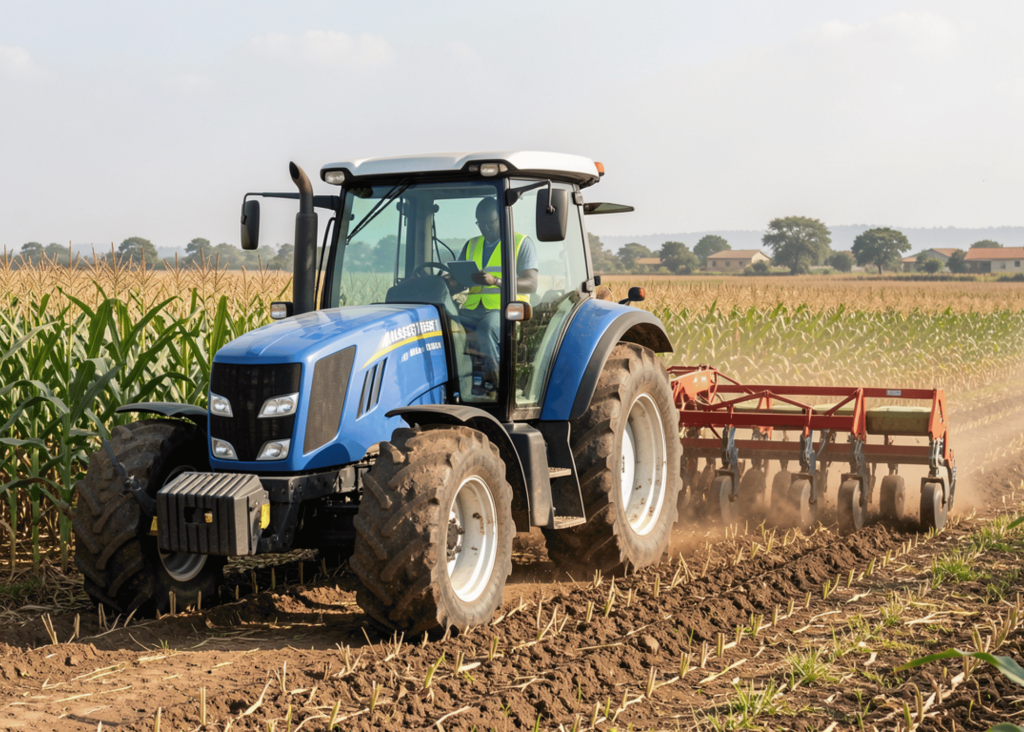
Selecting equipment depends on your soil type and acreage. For the hard, compacted soils of Northern Nigeria, high-torque ag tractors in the 65HP–90HP range are essential for deep ploughing and maintaining traction. These machines often feature heavy-duty rear axles and 4WD to handle challenging terrains.
For smaller South-Western farms or wetland rice cultivation, a power tiller or tiller machine offers better maneuverability and lower fuel consumption. These compact units are ideal for farms under 5 hectares, providing a cost-effective alternative to full-sized tractors. Always ensure the “Bolt-on” compatibility of your farm implements, such as plows and ridgers, before purchase to avoid mechanical mismatches.
Best ag tractors for sale and the rise of hybrid power tillers
The 2026 market favors hybrid tractors that balance diesel power with electric auxiliary systems for hydraulic lifts, significantly reducing fuel overhead. Leading brands like Massey Ferguson, John Deere, and New Holland remain the gold standard for durability in the Nigerian climate, offering models specifically ruggedized for local conditions.
While big farm tractors handle the heavy lifting of primary tillage, the hybrid tractor is the 2026 winner for multi-tasking. However, for precision work in organic or specialized farms, battery-powered mini-tillers are seeing a 64% increase in adoption. If your primary goal is low-cost soil preparation on small plots, a diesel power tiller remains the most accessible entry point for mechanization.
Tillage & Cultivation: Setting the Foundation
Your yield is determined before the first seed is even planted. Proper soil aeration and seedbed preparation are non-negotiable. In 2026, “Conservation Tillage” is the buzzword, focusing on minimizing soil disturbance to retain moisture.
What is the difference between a land tiller and a cultivator?
A land tiller machine is designed for primary tillage—breaking up hard, undisturbed ground to a significant depth. In contrast, a cultivator machine is used for secondary tillage, stirring the soil after it has been broken to remove weeds and ensure proper aeration around growing crops. Using a cultivator for primary land clearing is a common mistake that damages the tines and voids manufacturer warranties.
Inspecting used tillage equipment and high-performance implements
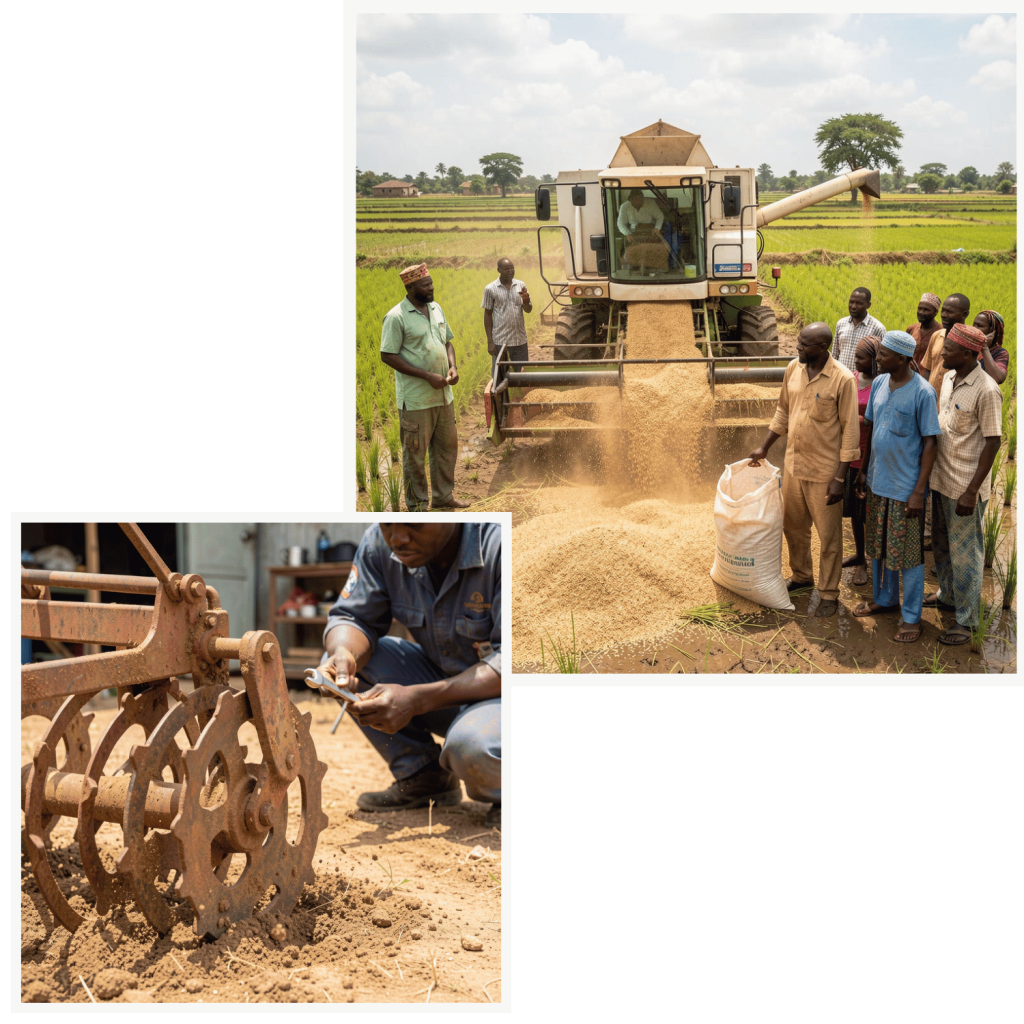
When browsing used tillage equipment, check for metal fatigue on the frames and excessive wear on the discs. In Nigeria’s abrasive soils, worn-out agricultural implements can increase your tractor’s fuel consumption by up to 20% due to unnecessary drag.
For 2026, look for high-performance farm planters for sale that feature precision seed-metering. Modern cultivators now include adjustable widths to accommodate different row-cropping patterns, making them versatile for maize, soy, and cassava. Investing in tools with variable-rate technology ensures you apply seeds and fertilizers only where needed, protecting your margins.