

Block-shaped yellow productive pepper with open medium-high growth.
Also suitable for hobby greenhouses.
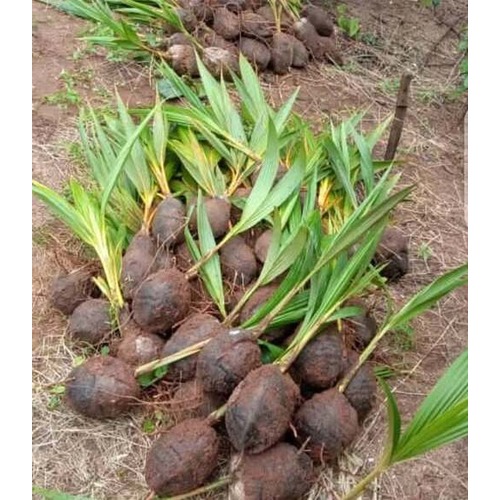
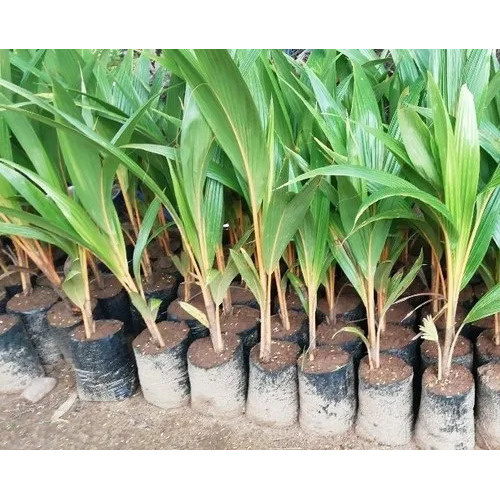
A coconut nursery seedling refers to a young coconut plant grown from a selected seed nut in a controlled nursery environment, before being transplanted to the main field. Quality seedlings are critical for establishing a productive coconut plantation.
Coconut Nursery Seedling are young coconut plants grown from seed nuts in a controlled nursery environment before transplanting to the field. Proper seedling management ensures robust growth, disease resistance, and higher survival rates in plantations. Below is a detailed guide to cultivating and maintaining healthy coconut seedlings.
Choosing Seed Nuts:
Source from high-yielding mother palms (e.g., Tall varieties like West Coast Tall, Dwarfs like Malayan Yellow, or hybrids).
Select mature nuts (10–12 months old) with intact husks, no cracks, and a “thud” sound when shaken (indicates full kernel).
Prioritize nuts from disease-free palms (avoid bud rot-affected sources).
Pre-Germination Treatment:
Soak nuts in water for 3–5 days to soften husks and trigger germination.
Discard floaters (non-viable seeds) and retain sinkers.
Direct Bed Sowing:
Plant nuts horizontally or at a 45° angle in nursery beds, burying 2/3 of the nut in soil.
Maintain 30–40 cm spacing between nuts to allow root expansion.
Polybag Method:
Use 30 cm × 30 cm polybags filled with a mix of soil, sand, and compost (3:1:1).
Place pre-soaked nuts in bags and keep them under partial shade.
Benefits: Reduces transplant shock, eases handling, and improves survival rates.
Nursery Management:
Soil: Sandy loam with good drainage (pH 5.0–8.0). Avoid waterlogged or saline soils.
Sunlight: Full sun exposure (6–8 hours daily). Use 30–50% shade nets in extreme heat.
Keep soil moist but not soggy. Water daily in dry climates; reduce frequency during rains.
Avoid overhead watering to prevent fungal diseases (e.g., bud rot).
Apply NPK (8:2:12 ratio) at 100–150g/seedling/month after sprouting.
Add magnesium (Mg) and boron (B) to prevent leaf yellowing and nut drop.
Organic option: Mix 2–3 kg compost/vermicompost per seedling every 3 months.
Pest and Disease Control:
Common Pests:
Rhinoceros Beetle: Remove decaying matter; apply Metarhizium anisopliae fungus.
Mealybugs/Scale Insects: Spray neem oil (2%) or insecticidal soap.
Diseases:
Bud Rot: Avoid wetting the crown; apply Bordeaux mixture (1% copper sulfate).
Leaf Spot: Remove infected leaves; spray mancozeb (0.2%).
Seedling Care Tips:
Weeding: Remove weeds manually to avoid competition for nutrients.
Culling: Discard weak, stunted, or diseased seedlings to maintain nursery quality.
Hardening Off:
Gradually reduce watering and shade 2–3 weeks before transplanting to acclimate seedlings.
Transplanting Ready Seedlings:
Ideal Age: 6–9 months old (4–6 leaves, 60–100 cm tall).
Field Preparation:
Dig pits 1 m × 1 m × 1 m; refill with soil + 10–15 kg compost.
Spacing: 7–9 m between palms (varies by variety – Dwarfs can be planted closer).
Planting:
Carefully transfer polybag seedlings without disturbing roots.
Water thoroughly post-transplanting.
Signs of Healthy Seedlings:
Leaves: 4–6 dark green, upright fronds.
Stem: Sturdy, no lesions or pest damage.
Roots: Well-developed, white, and fibrous (check polybag seedlings).
| Issue | Solution |
|---|---|
| Slow germination | Pre-soak nuts; ensure warm, moist conditions. |
| Yellowing leaves | Apply magnesium sulfate (Epsom salt) or boron. |
| Pest infestations | Use biopesticides (neem) or pheromone traps. |
| Root rot | Improve drainage; avoid overwatering. |
Advantages of Buying Quality Seedlings from HTS Farms:
High Survival Rate: Vigorous seedlings adapt better to field stress.
Early Bearing: Healthy seedlings may fruit 1–2 years earlier.
Disease Resistance: Strong seedlings withstand pests and environmental stress.
| Weight | 8 kg |
|---|


Reviews
There are no reviews yet.